
Luxury foods are more than just extravagant dishes; they represent a fusion of heritage, meticulous craftsmanship, and the finest natural ingredients. From the delicate flavors of a French foie gras to the umami depth of Japanese wagyu, these culinary treasures offer not only sensory pleasure but also unique health benefits. In this guide, we’ll uncover what makes food luxurious, highlight standout examples from across the globe, and share actionable tips for incorporating high‑end ingredients into everyday meals.
What Makes Food Luxury?
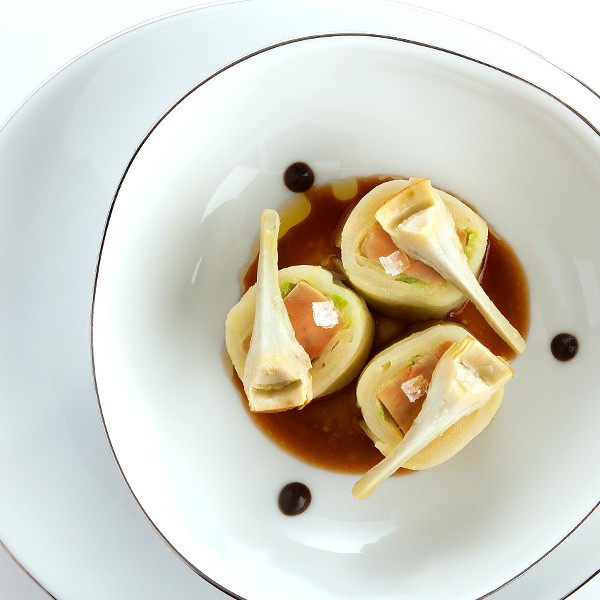
Luxury in cuisine is defined by four core elements: rarity, quality, provenance, and presentation. Rarity comes from limited seasonal availability or specialized farming methods, such as the slow‑brewed truffle farms of Piedmont. Quality is ensured through meticulous harvesting and aging processes that unlock complex flavors. Provenance ties the dish to its cultural roots, giving diners a story that transcends taste. Finally, presentation elevates the experience, turning a simple ingredient into a work of art.
Health Benefits of Luxury Foods
While indulgent, many luxury foods are packed with nutrients that support well‑being. Foie gras, when prepared responsibly, provides vitamin A, iron, and omega‑3 fatty acids that promote eye health and heart function. Japanese wagyu contains a high ratio of monounsaturated fats, which can improve cholesterol profiles when eaten in moderation. Truffles are rich in antioxidants and minerals like selenium, helping to combat oxidative stress and boost immune resilience. These benefits demonstrate that gourmet ingredients can be both decadent and wholesome.
Global Luxury Food Highlights
French Delicacies
France’s culinary heritage is synonymous with luxury. Foie gras, caviar, and aged cheeses such as Roquefort or Comté epitomize the country’s dedication to flavor and technique. The meticulous breeding of ducks for foie gras and the centuries‑old salt‑cured process of caviar showcase the patience required to achieve perfection. Pairing these delicacies with a crisp Bordeaux or a vintage Champagne completes the quintessential French luxury dining experience.
Japanese Umami
Japan’s focus on umami—often described as the fifth taste—has given rise to iconic luxury items like wagyu beef, uni (sea urchin), and kobe-style black cod. Wagyu’s marbling delivers a melt‑in‑your‑mouth texture, while uni offers a briny, oceanic richness that is both delicate and potent. These ingredients are prized for their purity, with strict sourcing regulations ensuring that only the best animals and sea life reach the plate.
Middle Eastern Truffles
In the Middle East, truffles are celebrated for their earthy aroma and luxurious texture. The region’s black truffles, harvested from the forests of Jordan and Syria, are often paired with lamb or saffron rice. They are typically shaved thin, allowing the aroma to permeate the dish subtly. The combination of truffle with local spices like sumac or za’atar creates a flavor profile that is both exotic and comforting.
Practical Tips for Incorporating Luxury Foods into Everyday Life
Enjoying high‑end ingredients doesn’t require a Michelin‑star budget. Here are simple ways to elevate your meals:
- Shop Seasonal and Local: Many luxury foods, such as truffles or specialty cheeses, are available in farmers’ markets or specialty shops during peak season.
- Use Small Doses: A dash of truffle oil or a spoonful of caviar can transform a humble dish into a gourmet experience.
- Explore International Grocery Stores: These stores often carry authentic ingredients like Japanese wagyu, French foie gras, or Middle Eastern spices.
- Experiment with Pairings: Match luxury foods with complementary flavors—think wagyu with a light miso soup or foie gras with a fig compote.
- Learn Proper Serving Techniques: Understanding how to slice, melt, or season these ingredients preserves their integrity and enhances their natural flavors.
Conclusion
Luxury foods offer more than just indulgence; they bring a blend of tradition, nutrition, and artistry to the table. Whether you savor a single spoon of truffle or host a dinner featuring French and Japanese delicacies, the experience enriches both palate and lifestyle. By sourcing responsibly, using thoughtful portions, and pairing flavors wisely, anyone can bring a touch of global luxury into their everyday culinary adventures.