
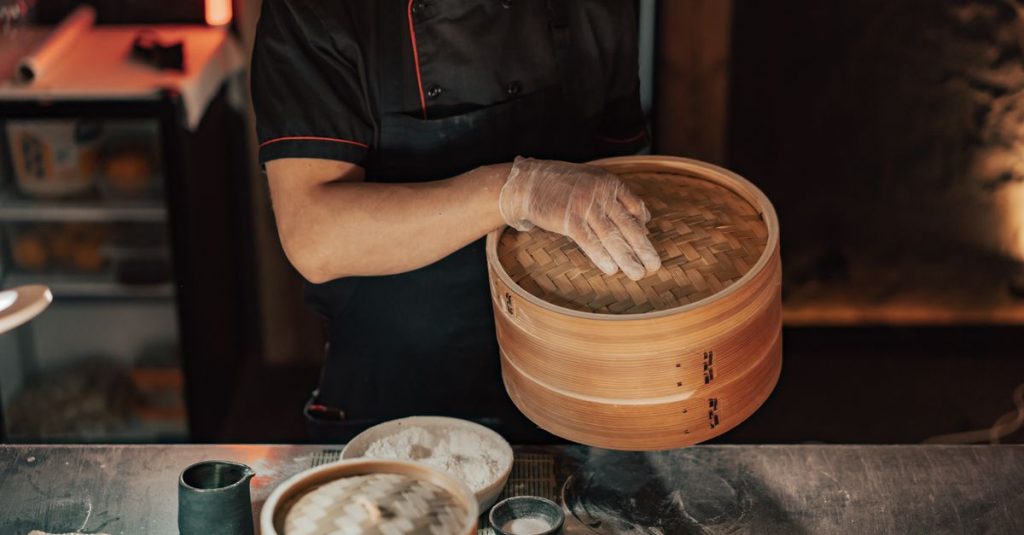
An Introduction to the Vibrant World of Chinese Cuisine
When we talk about Chinese food, we are not talking about a single cuisine, but rather a vast, deeply varied culinary landscape shaped by thousands of years of history, philosophy, and regional geography. From the tongue-numbing spice of Sichuan peppercorns in the southwest to the delicate, fresh seafood profiles of Cantonese cooking in the south, Chinese cuisine is a masterclass in balance, texture, and flavor harmony.
For home cooks, exploring Chinese food is an endlessly rewarding journey. It teaches us the importance of mise en place (having everything chopped and measured before the heat goes on), the art of balancing the five fundamental flavors—sweet, sour, bitter, salty, and savory—and how a hot wok can transform simple ingredients into something extraordinary. Today, we are looking at one of the most beloved dishes in the global Chinese culinary canon: Classic Scallion Oil Noodles (Cong You Ban Mian), a masterpiece of Shanghainese comfort food that proves complex flavors often require remarkably simple ingredients.
What is Scallion Oil Noodles (Cong You Ban Mian)?
Scallion Oil Noodles are a traditional Shanghainese staple consisting of fresh noodles tossed in a rich, aromatic oil infused with loads of scallions, then dressed with a balanced sweet-and-savory soy sauce mixture. The magic of this dish lies in the slow-frying of scallions until they turn crispy and brown, turning neutral cooking oil into a deeply fragrant, emerald-green condiment. Topped with those sweet, caramelized scallions, these noodles are comforting, deeply savory, and incredibly fast to put together.
Cultural Background and History
Rooted in the Jiangnan region of China, specifically Shanghai and its surrounding areas, *Cong You Ban Mian* historically emerged as a frugal yet deeply satisfying meal for working families. Scallions (or green onions) were cheap, abundant, and easily accessible. Cooks discovered that by gently frying green parts of the scallions in oil until crisp, they could preserve the oil for weeks while creating an instant flavor base. Today, this humble dish is celebrated not just in neighborhood noodle shops across Shanghai, but in upscale restaurants worldwide as a testament to the brilliance of Chinese home-style cooking.
Classic Shanghainese Scallion Oil Noodles Recipe
This recipe brings the authentic flavors of Shanghai into your home kitchen using readily available ingredients. It comes together in about 20 minutes, making it the ultimate weeknight comfort food.
Ingredients
- Noodles: 8 oz (225g) fresh Chinese wheat noodles (or dried thin wheat noodles / ramen noodles as a substitute)
- Scallions: 1 large bunch (about 6 to 8 stalks), washed, dried thoroughly, and cut into 2-inch lengths (separate the white and light green parts from the dark green tops)
- Neutral Oil: 1/3 cup neutral cooking oil (avocado, canola, or grapeseed oil)
- Light Soy Sauce: 3 tablespoons
- Dark Soy Sauce: 1 tablespoon (used mainly for color and a hint of caramel sweetness)
- Sugar: 1.5 tablespoons (granulated white or rock sugar)
- Water: 2 tablespoons
Step-by-Step Instructions
- Prep the Scallions: Ensure your scallion stalks are completely dry of any water droplets to prevent oil splattering. Separate the white/light green parts from the dark green tops, keeping them in separate piles.
- Infuse the Oil: Place the neutral oil in a small saucepan or wok over medium-low heat. Add the white and light green parts of the scallions first. Cook gently for about 3 to 4 minutes until they begin to soften.
- Add the Greens: Add the dark green scallion tops to the pan. Turn the heat down to low. Fry the scallions slowly, stirring occasionally, for 10 to 15 minutes. You want them to turn golden-brown and crispy without burning black. Watch them closely near the end.
- Make the Sauce: While the scallions are frying, whisk together the light soy sauce, dark soy sauce, sugar, and water in a small bowl until the sugar dissolves.
- Combine Sauce and Oil: Once the scallions are deep golden brown, carefully pour the soy sauce mixture directly into the hot scallion oil. It will sputter violently, so stand back! Let it bubble for about 30 seconds until the sugar caramelizes slightly, then turn off the heat. Set your scallion oil and crispy onions aside.
- Cook the Noodles: Bring a large pot of un-salted water to a boil. Cook your noodles according to the package instructions (usually 2-3 minutes for fresh noodles). Drain thoroughly.
- Toss and Serve: Place the hot, drained noodles in a large bowl. Drizzle 3 to 4 tablespoons of the prepared scallion oil and sauce over the noodles. Top with a generous amount of the crispy fried scallions. Toss vigorously until every strand is coated in the glossy, fragrant sauce. Serve immediately.
Cooking Tips and Tricks
- Dry Your Scallions: Pat your scallions dry with paper towels before slicing. Excess moisture mixed with hot oil creates dangerous, painful splatters.
- Low and Slow is Key: Do not rush the frying process. If your burner is too hot, the scallions will burn and turn bitter before the oil has a chance to absorb their aromatic onion flavor.
- Batch Your Oil: The scallion oil recipe yields more than you need for one serving. Store the leftover oil and crispy scallions in a clean glass jar in the fridge for up to a month. It makes an incredible base for fried rice, fried eggs, or steamed vegetables.
Substitutions
- Noodles: If you cannot find fresh Chinese wheat noodles at an Asian supermarket, Italian bucatini, dried ramen noodles, or even spaghettini work surprisingly well in a pinch.
- Soy Sauce: If you only have regular all-purpose soy sauce, you can use it in place of light soy sauce, though you may want to add a tiny splash of water or reduce the quantity slightly so it isn’t too salty.
Common Mistakes to Avoid
- Burning the Scallions: Black, charred scallions taste acrid and bitter. Aim for an even, deep golden-brown color.
- Over-salting: Both light and dark soy sauces are naturally high in sodium. Resist the urge to add salt to the noodle-boiling water or the final dish until you have tasted the tossed noodles.
- Skipping the Dark Soy Sauce: While light soy sauce provides saltiness, dark soy sauce provides the characteristic deep mahogany color and a subtle sweet depth that makes this dish authentic.
Serving Suggestions
While Scallion Oil Noodles are wonderful on their own as a quick snack or light meal, you can easily turn them into a feast:
- Top the noodles with a runny fried egg or a soft-boiled ramen egg (Ajitsuke Tamago).
- Serve alongside pan-seared pork chops, poached chicken, or crispy tofu for a complete protein balance.
- Pair with a side of garlic-sautéed bok choy or cucumber salad for a refreshing crunch.
Exciting Variations
- Shrimp Roe Noodles (Xia Zi Ban Mian): Dust the finished noodles with dried shrimp roe for an authentic luxury Shanghainese twist that adds oceanic umami.
- Spicy Chili Oil Noodles: Add a tablespoon of Chinese chili crisp or homemade chili oil into the sauce mixture when combining it with the hot scallion oil.
Frequently Asked Questions (FAQ)
Can I make scallion oil in advance?
Yes, absolutely! In fact, making a double or triple batch of scallion oil is recommended. Kept in an airtight glass container in the refrigerator, it will stay fresh for up to one month. The oil will solidify slightly when chilled, but it melts instantly when reheated or tossed with hot noodles.
What is the difference between light and dark soy sauce?
Light soy sauce is saltier, lighter in color, and thinner in consistency; it is used primarily for seasoning food. Dark soy sauce is aged longer, thicker, less salty, and often has caramel added to it. It is used primarily to impart a rich, glossy brown color and subtle sweetness to dishes.
Are these noodles vegetarian or vegan?
Yes! Traditional Scallion Oil Noodles are naturally vegetarian and vegan, as they rely entirely on plant-based oils, scallions, soy sauce, and sugar.
What kind of noodles are best for this recipe?
Fresh, thin wheat noodles (often labeled as “Shanghai noodles” or “lo mein noodles”) are traditional because they have a springy, chewy texture (*jiàn mian*) that holds onto the sauce brilliantly. However, any good quality wheat noodle will deliver delicious results.
Conclusion
Chinese cuisine offers an astonishing array of culinary treasures, and mastering a simple dish like Scallion Oil Noodles is your gateway to understanding the profound philosophy behind home-style Chinese cooking: turning simple, everyday ingredients into an unforgettable meal through technique, patience, and balance. Grab a bunch of fresh green onions, fire up your stove, and bring the authentic flavors of Shanghai into your kitchen tonight!