
Introduction
Thailand is renowned for its bold flavors, fragrant herbs, and colorful presentation. Whether you’re a seasoned traveler or a curious foodie planning a visit, choosing the right Thai dish can feel overwhelming. With so many options—ranging from fiery curries to delicate soups—making an informed decision ensures you enjoy the experience without regret. This guide breaks down the key factors that influence your choice and offers practical tips to help you order confidently.
Understanding Thai Cuisine
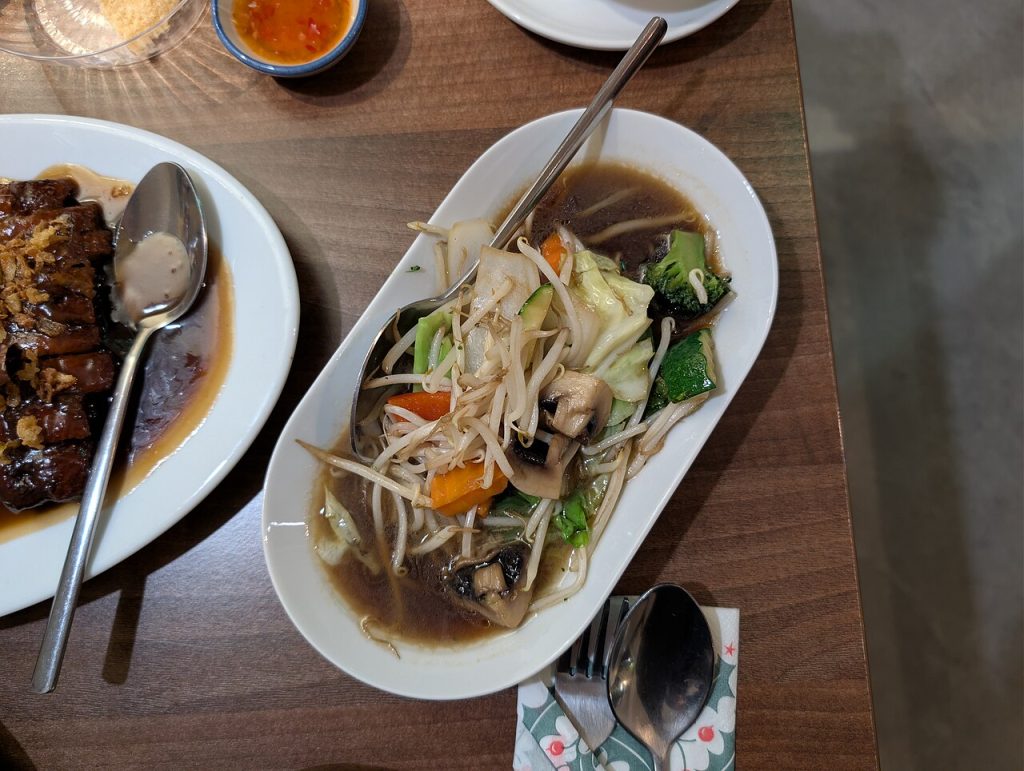
Thai food is a blend of sweet, sour, salty, and spicy elements. The balance of these flavors is what sets Thai dishes apart. It’s also deeply regional, so the same name can mean different things depending on where you are.
Regional Variations
- North: Dishes are often milder, featuring fermented soy and fresh herbs. Think Khao Soi (curry noodle soup) and Sai Oua (herb pork sausage).
- Isaan (Northeast): Known for its fiery flavors. Papaya salad (Som Tum) and grilled chicken with sticky rice are staples.
- Central: The culinary heartland where you’ll find iconic dishes like Pad Thai and Tom Yum Goong.
- South: Coastal cuisine emphasizes coconut milk, seafood, and aromatic spices. Green curry and Massaman curry are popular.
Factors to Consider
Spiciness
Thai food ranges from mildly peppered to scorchingly hot. If you’re sensitive to heat, look for dishes labeled “Mild” or “Sweet” and ask the server to tone down the chilies. Conversely, if you love heat, try the Isaan or southern curries.
Ingredients
Allergy or dietary restrictions? Many Thai dishes can be adapted. Ask if a dish can be made gluten‑free, vegan, or dairy‑free. For example, Pad Thai can be served with tofu or shrimp, and many soups can have the coconut milk replaced with a lighter broth.
Cooking Method
The way a dish is prepared affects its texture and flavor. Stir‑fried dishes (like Pad Krapow) are quick and crispy, while simmered curries develop depth over time. If you’re short on time, a quick stir‑fry is a great choice; for a richer experience, choose a simmered dish.
Budget
Street stalls offer affordable, authentic bites—often under 50 baht. Restaurants range from mid‑price to high‑end; the cost often reflects portion size and ingredients. Consider your budget and the dining experience you want.
Practical Tips for Ordering
- Use the menu: Many Thai restaurants now have English translations. Look for pictures if you’re unsure.
- Ask the waiter: Don’t hesitate to inquire about spiciness levels, ingredients, or portion sizes.
- Watch the preparation: A well‑cooked dish often shows fresh aromatics and a vibrant color. If you see fresh basil, lime, and chili, you’re in the right spot.
- Try a sampler: Many places offer a tasting plate—perfect for getting a taste of several dishes in one meal.
- Respect local customs: In some markets, food is served family‑style; sharing a few dishes is customary and a great way to taste more.
Where to Find Authentic Thai Food
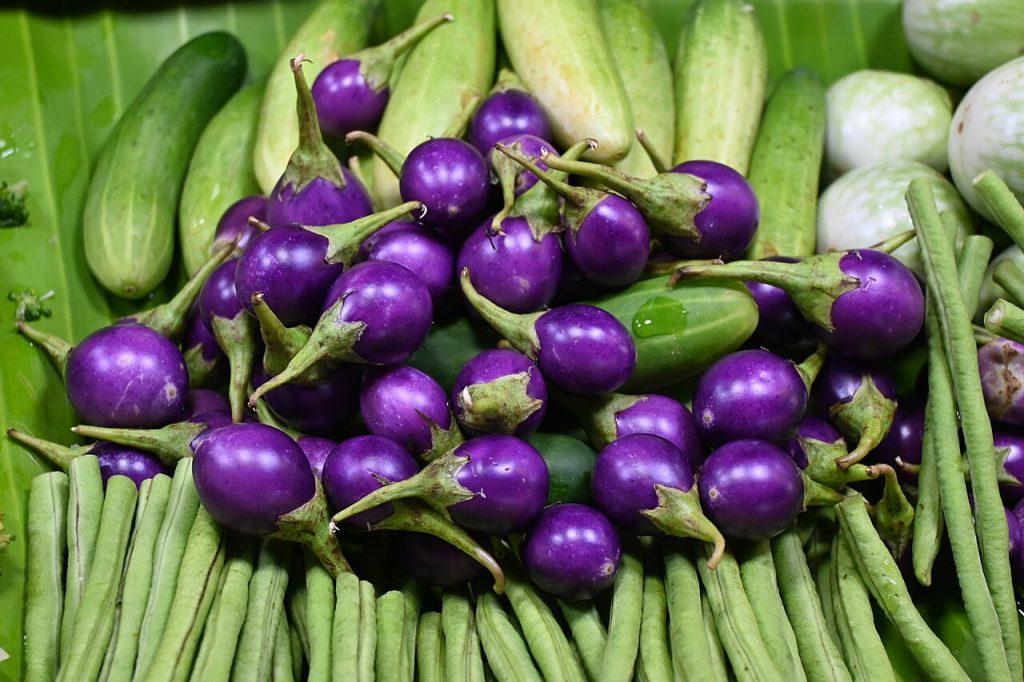
- Street stalls: These are often the most authentic. Look for lines of people and steaming pans—it’s a good sign of quality.
- Night markets: Markets like Chiang Mai’s Night Bazaar or Bangkok’s Rot Fai Market showcase a wide variety of dishes, from grilled meats to sweet desserts.
- Local restaurants: Ask locals for recommendations. A neighborhood eatery with a steady stream of customers is usually a safe bet.
- Food tours: Guided tours can introduce you to hidden gems and provide context about the dishes.
- Cooking classes: Beyond tasting, cooking classes let you learn how to recreate your favorite dishes at home.
Conclusion
Thai cuisine offers an exciting journey of flavors, textures, and aromas. By understanding regional differences, considering your spice tolerance and dietary needs, and using practical ordering strategies, you’ll be able to choose dishes that delight your palate. Remember, the best way to learn is by tasting—so keep an open mind, ask questions, and enjoy every bite of Thailand’s culinary treasure.