
Food is more than nourishment; it is a living archive of culture, history, and community. When we turn to traditional dishes, we tap into a reservoir of flavors that have been refined over generations. By learning from these time‑honored recipes, we can infuse our daily meals with depth, authenticity, and a sense of connection to people and places beyond our own kitchen.
The Power of Tradition
Traditional recipes are built on principles that have proven resilient. They rely on locally available ingredients, seasonal cycles, and techniques that preserve flavor while maximizing nutrition. This foundation gives them a universal appeal: the right combination of spices can transport you to a bustling market in Marrakech or a quiet hillside in Tuscany, all from your countertop.
Moreover, tradition offers structure. When a recipe calls for a specific sequence—say, browning onions before adding tomatoes—each step serves a purpose, guiding you toward the best outcome. This predictability lowers the barrier to experimentation, allowing even novice cooks to feel confident in the kitchen.
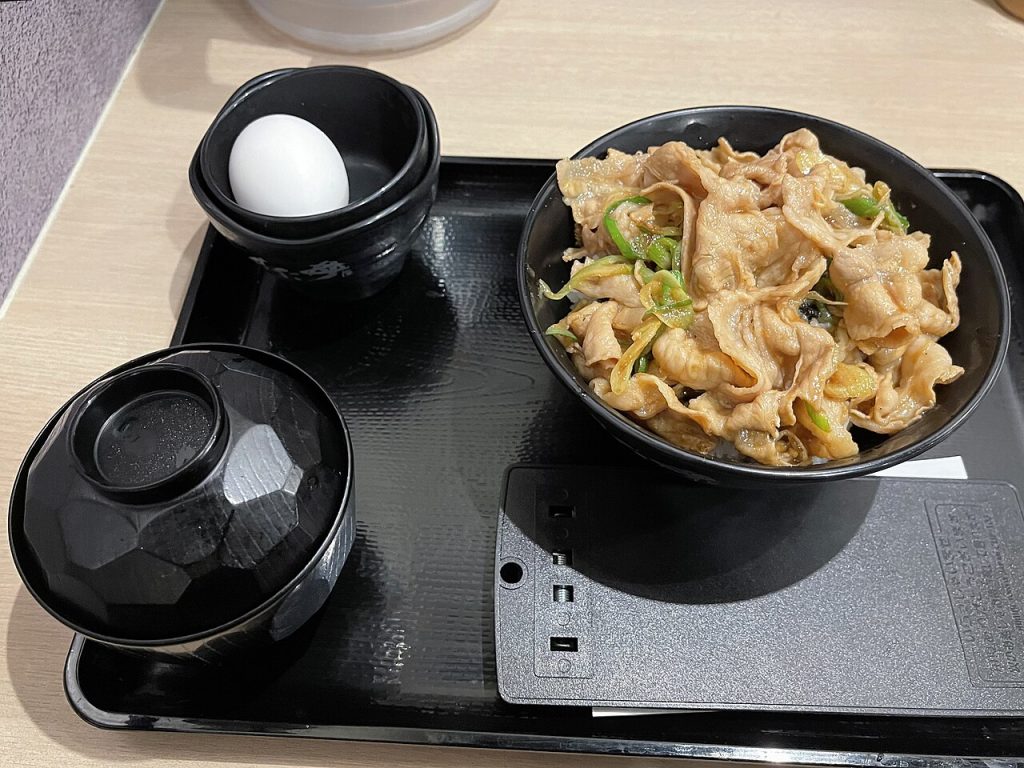
How Traditional Recipes Inspire Creativity
While traditional dishes honor history, they also leave room for personal interpretation. Think of classic paella as a canvas: you can swap the seafood for chicken, add saffron or a splash of wine, or incorporate local vegetables. By keeping core flavors intact—such as the smoky heat of paprika or the earthy undertones of cumin—you honor the dish’s essence while making it uniquely yours.
Another way tradition fuels creativity is through storytelling. Every family recipe carries anecdotes—who first made it, why it was prepared for a particular occasion, or how it evolved. Sharing these stories when you cook adds layers of meaning, turning a simple meal into an experience that bonds friends and family.
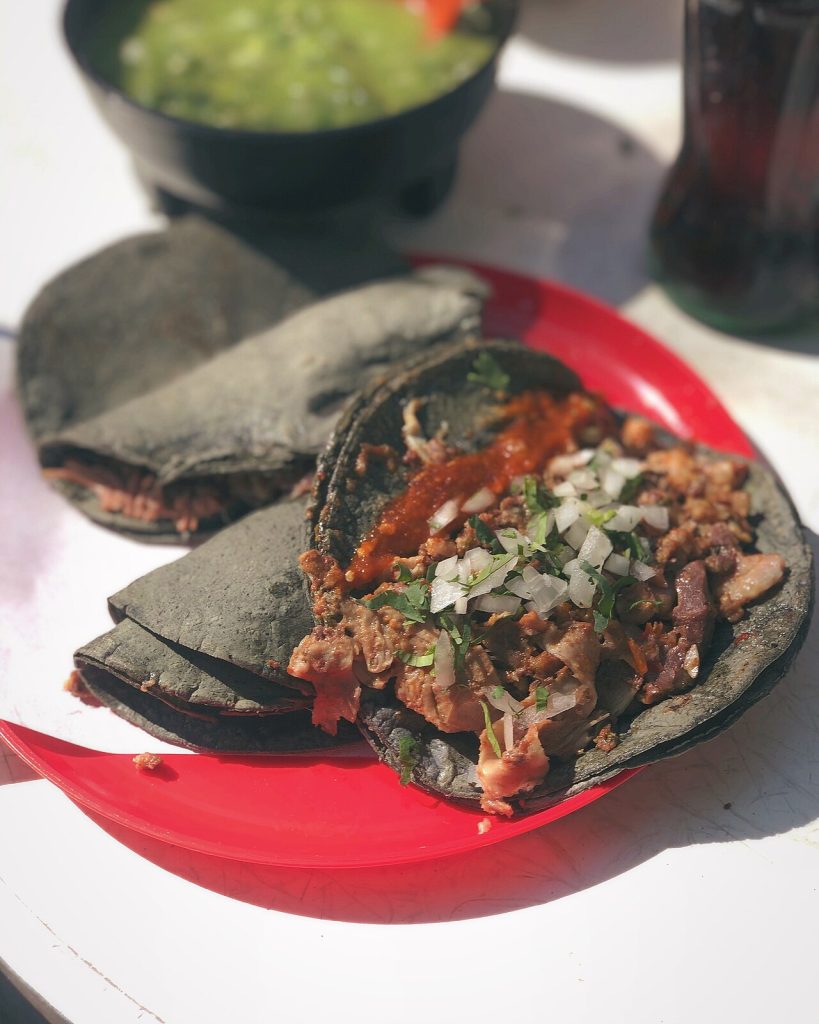
Practical Tips for Bringing Tradition Home
Start with Simple Staples
- Choose a base ingredient: Rice, beans, or pasta can anchor a dish and provide a familiar texture.
- Layer flavors gradually: Sauté aromatics first, then add spices, followed by liquids.
- Use a slow cooker or pressure cooker: These tools mimic the long‑slow cooking methods that many traditions rely on.
Use Fresh, Seasonal Ingredients
- Visit local farmers’ markets: Seasonal produce often carries the most vibrant flavor.
- Replace canned with fresh: Fresh tomatoes, herbs, or chilies can transform a dish’s brightness.
- Embrace wild or foraged items: Mushrooms, herbs, or edible flowers can add an unexpected twist.
Embrace Cultural Storytelling
- Write down the recipe: Record any changes you make for future reference.
- Share the origin: Tell diners about the dish’s heritage—why it was created, its significance.
- Pair with music or décor: A simple backdrop can enhance the sensory journey.
Conclusion
Traditional foods are more than relics; they are living guides that help us cook with intention, flavor, and a sense of place. By embracing their core principles—seasonality, simplicity, and storytelling—we can transform everyday meals into moments of cultural celebration. So next time you’re looking for a spark in the kitchen, reach for a time‑tested recipe, add your personal touch, and let tradition inspire your culinary creativity.