
Street food has long been the heartbeat of bustling cities, offering a taste of local life that’s both affordable and unforgettable. Whether you’re a seasoned traveler or a curious foodie at home, understanding its benefits and how to enjoy it safely can elevate your culinary adventures.
Why Street Food Matters
Health & Flavor
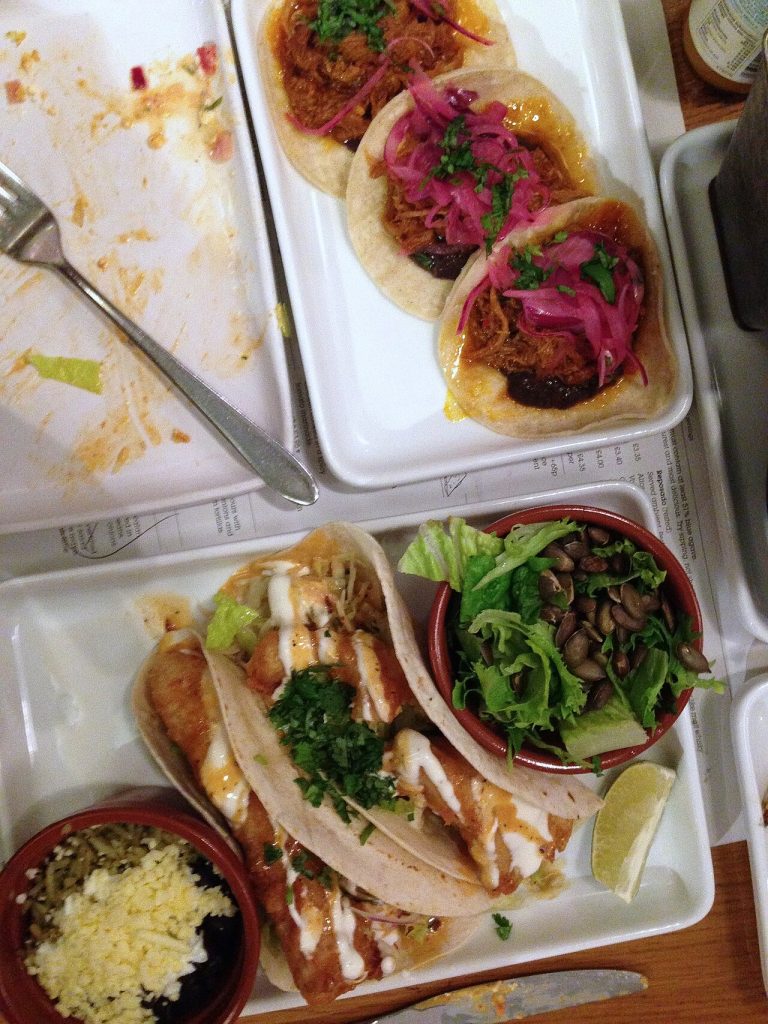
Contrary to the stereotype of greasy fast food, many street vendors use fresh, seasonal produce and spices that preserve nutrients and add depth of flavor. A well‑prepared taco can provide lean protein, fiber, and antioxidants—all in a single, handheld bite.
Economic Boost
Street vendors often employ local workers and source ingredients from nearby farms, keeping money circulating within communities. This informal sector can generate significant income for millions of people worldwide.
Culture on a Plate
Street food is a living museum of traditions, showcasing regional recipes that have evolved over generations. Tasting a steaming bowl of pho in Hanoi or a spicy chicharrón in Mexico City connects you directly to the people who created these dishes.
Popular Street Food Around the World
Asia
- Bangkok, Thailand: Tom Yum Goong soup sold from stalls that simmer fresh shrimp, lemongrass, and chilies.
- Chennai, India: Masala Dosa—thin fermented rice crepes filled with spiced potato mash.
- Seoul, South Korea: Gimbap—rice and seaweed rolls, often filled with kimchi and pickled vegetables.
Latin America
- Mexico City, Mexico: Tacos al pastor—marinated pork grilled on a vertical spit, sliced thin, and topped with pineapple.
- Quito, Ecuador: Empanadas de queso—flaky pastry pockets stuffed with melted cheese.
- Caracas, Venezuela: Hallacas—corn dough filled with pork, raisins, and olives, wrapped in plantain leaves.
Middle East
- Beirut, Lebanon: Shawarma—thinly sliced meat wrapped in pita with garlic sauce.
- Riyadh, Saudi Arabia: Falafel—deep‑fried chickpea fritters served with tahini.
- Cairo, Egypt: Koshari—rice, lentils, and pasta topped with tomato sauce and crispy onions.
Europe
- Barcelona, Spain: Paella en el punto—small pans of saffron rice cooked over open fire.
- Berlin, Germany: Currywurst—grilled sausage sliced and smothered in curry ketchup.
- Lisbon, Portugal: Pastéis de nata—custard tarts dusted with cinnamon.
How to Choose Safe Street Food
Look for Crowds
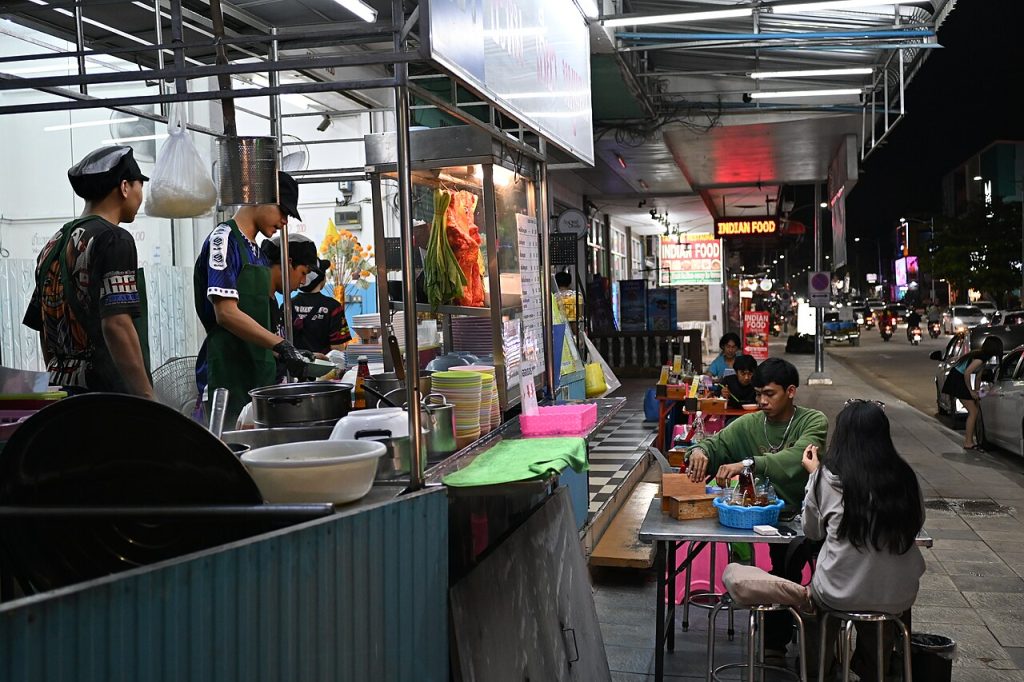
High foot traffic usually indicates that the vendor’s food is popular and likely safe. Busy stalls often mean quick turnover and fresh ingredients.
Observe Hygiene Practices
Check if the vendor uses gloves, washes hands frequently, and keeps food covered. A clean environment reduces the risk of contamination.
Ask About Ingredients
Don’t hesitate to inquire about the source of meat or fish, how long the food has been cooked, and whether any preservatives are used. Transparent vendors build trust.
Trust Your Instincts
If something smells off or the stall looks untidy, it’s better to move on. Your health is worth the extra minute waiting for a better option.
Creative Street Food Ideas for Home
DIY Taco Night
Use fresh corn tortillas, marinated grilled chicken or tofu, diced mango, and a cilantro‑lime crema. Serve with a side of spicy pickled radish for an authentic twist.
Asian Street Snack Platter
Prepare mini spring rolls filled with shredded carrots, cabbage, and vermicelli, served with a sweet chili dipping sauce. Add a small bowl of miso soup for depth.
Fusion Street Food Burger
Create a burger patty seasoned with cumin and smoked paprika, topped with grilled pineapple, and a dollop of sriracha mayo. Wrap in a soft pita for a handheld experience.
Conclusion
Street food offers more than convenience—it’s a vibrant portal to culture, community, and flavor. By choosing vendors wisely and experimenting with your own street‑style recipes, you can enjoy the world’s most beloved bites right where you live.