
Introduction
Chinese food is celebrated worldwide for its vibrant flavors, diverse ingredients, and centuries of culinary tradition. Yet, with so many dishes, regional styles, and preparation methods, it can be overwhelming to decide what to order or cook. This article breaks down the key factors that influence your choice and offers practical tips to help you select the right Chinese food—whether you’re dining out, ordering take‑out, or cooking at home.
Understanding Chinese Cuisine
Chinese cuisine is not a single style but a mosaic of regional traditions. Each region uses local ingredients, cooking techniques, and flavor balances that reflect its climate, history, and culture. Knowing the basic categories—such as Cantonese, Szechuan, Hunan, Shandong, and Jiangsu—provides a useful framework for making informed choices.
Factors to Consider When Choosing a Dish
1. Regional Flavor Profile
- Cantonese: Light, subtle, and emphasizes fresh ingredients. Think dim sum, roasted meats, and delicate stir‑fries.
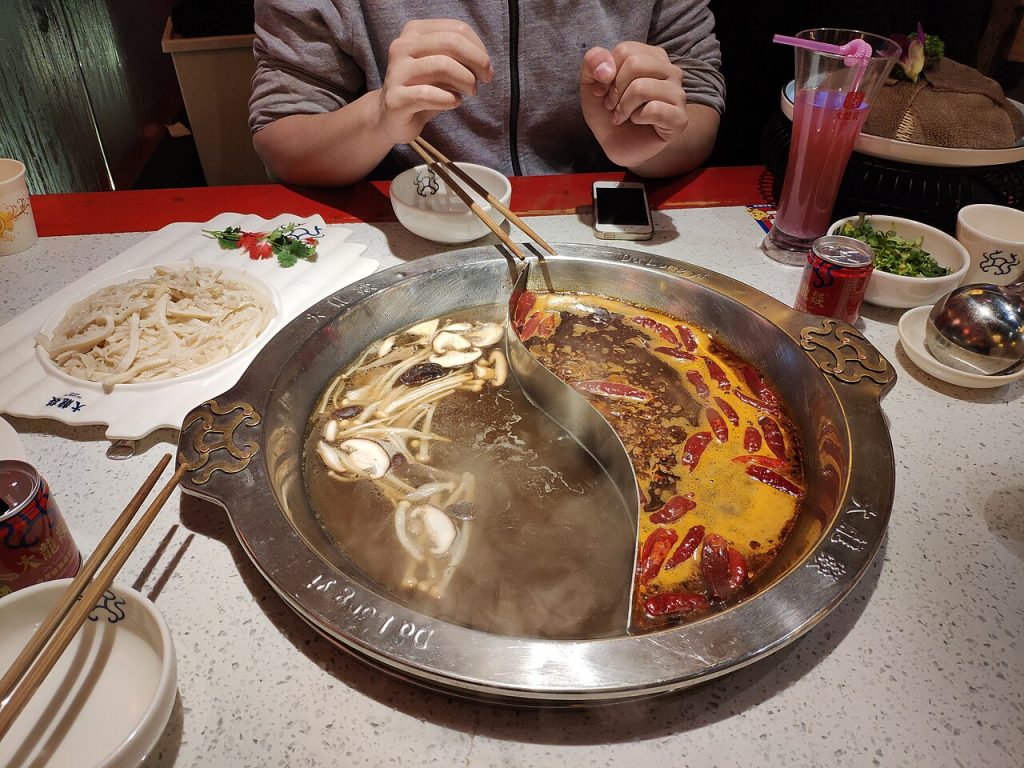
- Szechuan: Bold, spicy, and often incorporates Sichuan peppercorns for a numbing heat.
- Hunan: Similar to Szechuan but less numbing and more emphasis on preserved sauces.
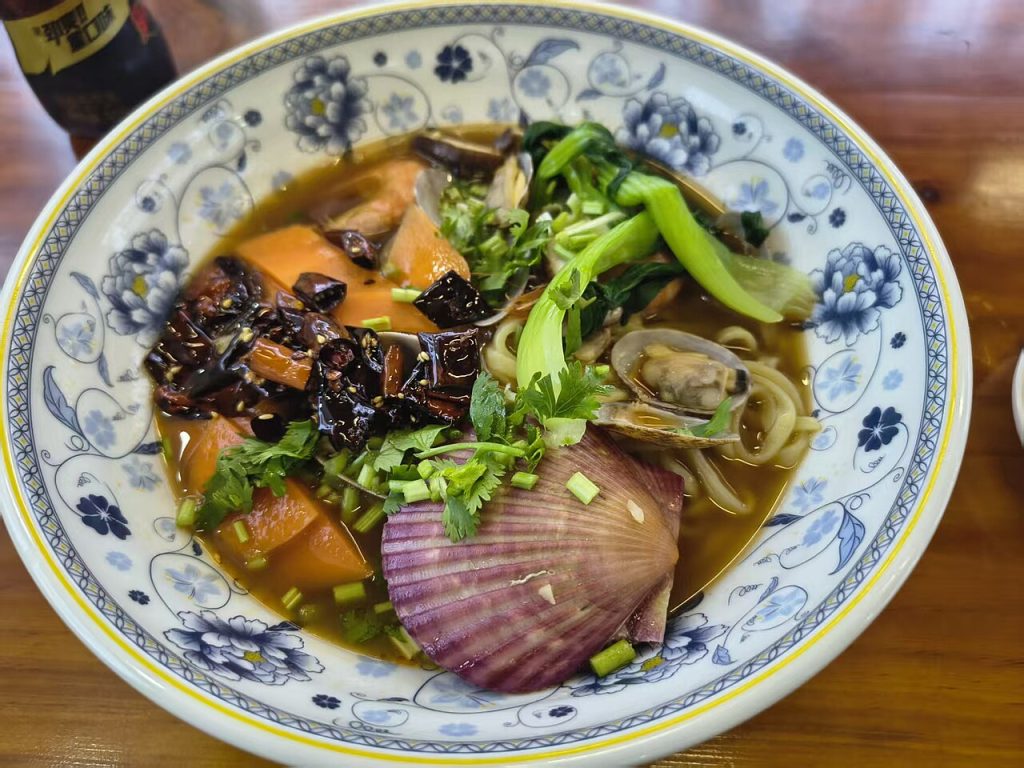
- Shandong: Hearty, often featuring seafood and a clear, savory broth.
- Jiangsu: Sweet and refined, with an emphasis on gentle caramelization.
2. Cooking Method
- Stir‑fry – quick, high‑heat cooking that preserves crisp vegetables.
- Steaming – ideal for dumplings, buns, and fish; retains natural flavors.
- Deep‑frying – gives a crisp exterior; common in dim sum and fried rice.
- Braised – slow cooking in sauce for tender, flavorful meats.
3. Ingredient Preferences
- Protein: chicken, pork, beef, seafood, tofu, or a combination.
- Vegetables: bok choy, Chinese broccoli, mushrooms, peppers.
- Spices & sauces: soy sauce, oyster sauce, hoisin, chili paste, star anise.
4. Dietary Considerations
- Low sodium: ask for sauce on the side or request “light” seasoning.
- Gluten‑free: avoid wheat‑based sauces and opt for rice‑based dishes.
- Vegetarian/vegan: choose tofu or vegetable‑only stir‑fries, but confirm no animal products in sauces.
5. Occasion & Portion Size
For a family gathering, share several small plates (dim sum or small hot pots). For a solo meal, a single large dish or a plate of noodles may suffice.
Popular Regional Dishes to Try
Cantonese Favorites
- Char Siu (BBQ pork)
- Steamed fish with ginger and scallions
- Wonton soup
Szechuan Staples
- Kung Pao chicken
- Mapo tofu
- Dry‑fried green beans with chili
Shandong Highlights
- Dezhou braised chicken
- Cold sliced cucumber with garlic oil
- Seafood hot pot
Practical Tips for Making the Right Choice
- Read the menu descriptions carefully—look for regional tags or key ingredients.
- Ask the server or chef for recommendations based on your taste preference.
- Use visual cues—a dish with a lot of fresh greens usually signals a lighter preparation.
- For online orders, check the photos and customer reviews to gauge authenticity.
- Don’t be afraid to mix and match—order a few small plates to sample a variety of flavors.
Conclusion
Choosing the right Chinese food boils down to understanding regional tastes, cooking styles, and your own dietary needs. With this framework, you can confidently explore menus, order from restaurants, or experiment at home. Remember to keep an open palate, ask questions, and enjoy the journey through China’s culinary heritage.