
Introduction
Traditional food is more than a meal; it’s a story passed down through generations. By embracing time‑honored techniques and seasonal ingredients, you can create dishes that are both comforting and culturally rich. In this guide, we’ll share practical, no‑frills advice that fits into any kitchen, from selecting the best produce to plating with confidence.
1. Choose Fresh, Seasonal Ingredients
Freshness is the cornerstone of authentic flavor. Seasonal produce carries the highest nutrient content and the most vibrant taste, so shop locally whenever possible. Tip: Visit farmers’ markets or join a community‑supported agriculture (CSA) program to get the freshest staples.
When picking vegetables, look for firm skins and bright colors—these indicate ripeness. For meats and fish, choose sources with clear labeling of origin and handling practices. Even small details, like a slight sheen on fish or a fragrant bouquet on herbs, signal quality.
Sub‑Tip: Use a “Three‑Day Rule” for perishables
Plan to consume highly perishable items within three days of purchase. This minimizes waste and ensures you’re always cooking with peak flavor.
2. Master Simple, Authentic Techniques
Traditional recipes often rely on a few key techniques that unlock depth of flavor. Below are three foundational methods that can be applied across cuisines.
- Deglazing: After sautéing meat or vegetables, add a splash of wine, broth, or vinegar to dissolve browned bits. This creates a natural sauce base.
- Steaming: Gentle steaming preserves nutrients and enhances the natural sweetness of foods, especially in Asian and Mediterranean dishes.
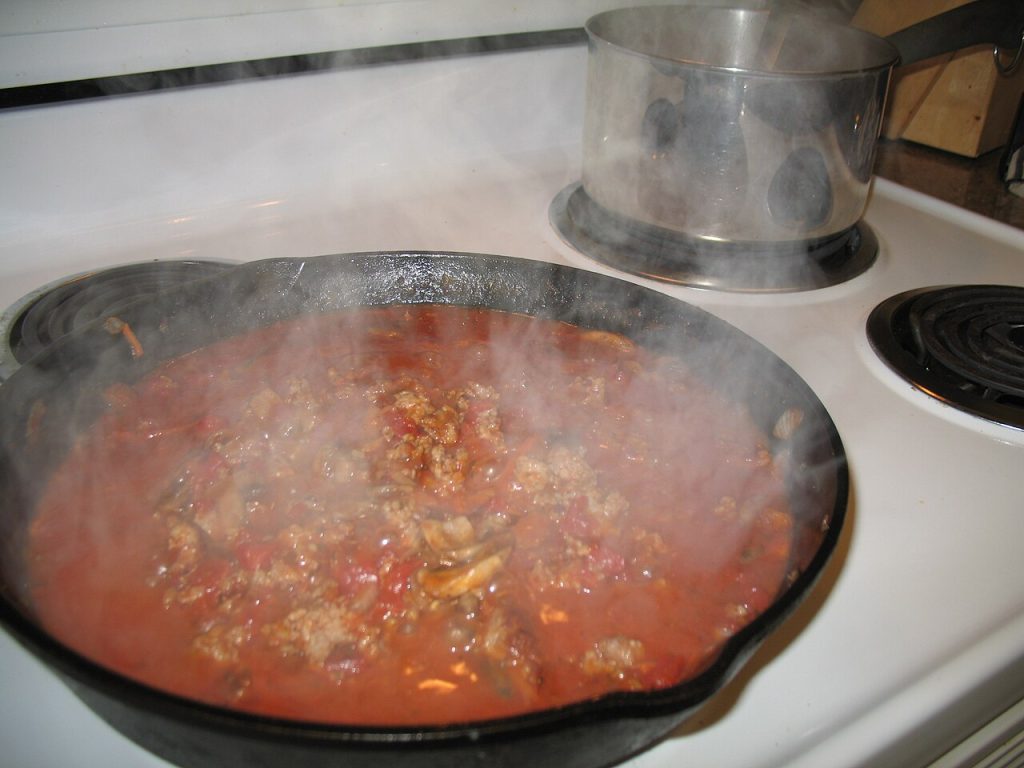
- Simmering: Low‑temperature cooking over hours allows flavors to meld. Use a heavy pot to distribute heat evenly, preventing scorching.
Practical Recipe Example: Classic Tomato Sauce
Ingredients: 4 ripe tomatoes, 1 onion, 2 cloves garlic, olive oil, salt, pepper, basil.
1. Heat oil in a pot. Add chopped onions and garlic until translucent.
2. Add tomatoes, season, and simmer for 45 minutes, stirring occasionally.
3. Finish with fresh basil and serve over pasta or rice.
3. Store Wisely for Longevity
Proper storage keeps flavors intact and reduces spoilage. Here’s a quick guide to keep your pantry and fridge running smoothly.
- Root vegetables: Store in a cool, dark place. Wrap potatoes in paper towels to absorb moisture.
- Herbs: Treat fresh herbs like flowers: trim stems, place in water, and cover loosely with a bag. Replace water every two days.
- Spices: Keep in airtight containers away from heat and light to preserve potency.
When freezing, blanch vegetables first to lock in color and texture. Label bags with the date to keep track of shelf life.
4. Plate with Simple Elegance
A well‑presented dish elevates the eating experience. Use these quick plating tricks to impress.
- Color contrast: Pair warm hues (red, orange) with cool tones (green, blue) for visual appeal.
- Texture layering: Combine crunchy, soft, and smooth elements to add interest.
- Minimal garnish: A sprig of herb or a drizzle of sauce can accentuate without overpowering.
Example: Traditional Rice Bowl
Arrange a bed of steaming rice, top with sautéed greens, a soft‑boiled egg, and a spoonful of fermented sauce. Finish with a sprinkle of toasted sesame seeds.
Conclusion
By focusing on fresh ingredients, mastering a handful of timeless techniques, and caring for your food from harvest to plate, you can honor traditional cuisine without fuss. These practical steps keep your kitchen efficient and your meals delicious. Start small—try one new tip each week—and watch your culinary confidence grow.