
Introduction
Indonesian cuisine is a vibrant tapestry of spices, herbs, and fresh ingredients that can transform ordinary meals into memorable feasts. Whether you’re a novice cook or a seasoned chef, these practical tips will help you replicate the rich flavors of Indonesia right at home.
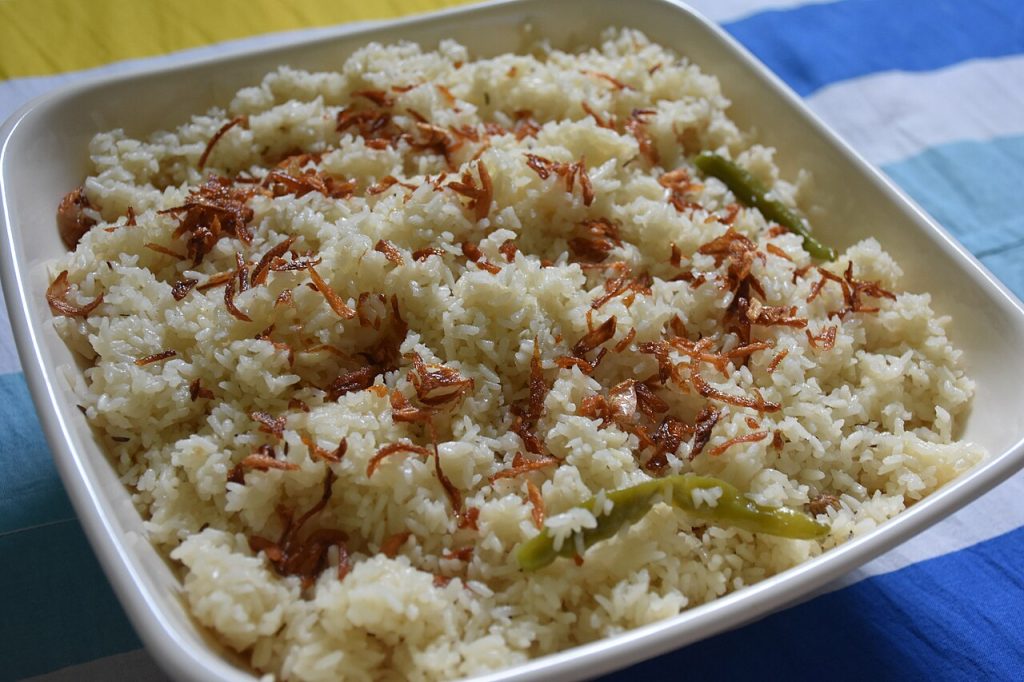
Understanding Indonesian Flavors
Indonesian dishes are built on a foundation of five essential flavor profiles: sweet, salty, sour, bitter, and umami. Mastering the balance of these tastes is key to achieving authenticity.
The Role of Aromatics
- Galangal – adds a sharp, citrusy note.
- Jasmine or lemongrass – provides a fragrant backdrop.
- Garlic and shallots – form the base of most sauces and soups.
- Red or green chilies – control heat level.
Common Spices
- Coriander – nutty and warm.
- Cumin – earthy and slightly sweet.
- Turmeric – bright color and mild bitterness.
- Cloves, star anise, and cinnamon – add depth to stews.
Key Ingredients and Where to Find Them
- Indonesian coconut milk – look for brands labeled “Indonesian” or “kacang”.
- Balado paste – a chili-based condiment available in Asian markets.
- Fish sauce (kecap ikan) – replace with soy sauce if unavailable, but add a splash of palm sugar.
- Palm sugar – gives a caramelized sweetness; substitute with brown sugar if needed.
- Fresh herbs – such as daun salam (Indonesian bay leaf) and kemangi (lemon basil).
Cooking Techniques for Authentic Taste
Proper Use of Tempering (Penyet)
Tempering aromatics in hot oil releases their essential oils, creating a fragrant base. Heat the oil to a shimmering state, add thinly sliced garlic, shallots, and chilies, and sauté for 30 seconds before adding other ingredients.
Balancing Sweet and Sour
Many Indonesian dishes rely on the harmony between palm sugar and tamarind. Start with small amounts, taste frequently, and adjust to keep the dish from becoming too sweet or too acidic.
Simmering vs. Stir‑Frying
- Use stewing for curries and soups to allow flavors to meld.
- Use stir‑frying for quick vegetable and protein dishes to preserve crunch.
Practical Tips for Everyday Meals
- Batch cook sambal. A jar of homemade chili paste can be used across multiple dishes.
- Freeze coconut milk. Portion into ice‑cube trays for convenient use in curries.
- Pre‑measure spices. Keep a small spice rack with pre‑mixed Indonesian seasoning blends.
- Use local substitutes. If you can’t find daun salam, try bay leaves; if you can’t find kemangi, use Thai basil.
Quick Indonesian Recipes for Busy Nights
1. Chicken Gado‑Gado
A protein‑rich salad tossed in peanut sauce. Prep in 20 minutes and serve with steamed rice.
- Cook chicken breast, slice, and set aside.
- Blanch green beans, carrots, and spinach.
- Whisk peanut butter, soy sauce, lime juice, palm sugar, and garlic into a sauce.
- Combine all vegetables, chicken, and sauce; top with hard‑boiled egg slices.
2. Beef Rendang Stir‑Fry
Use pre‑made rendang paste to create a quick stir‑fry with beef and vegetables.
- Brown beef cubes in a hot wok.
- Add rendang paste and sauté for 2 minutes.
- Pour in a splash of coconut milk and let it thicken.
- Stir in sliced bell peppers, onions, and a handful of fresh basil.
3. Nasi Goreng (Indonesian Fried Rice)
Turn leftover rice into a flavorful dish using simple pantry staples.
- Heat oil, add minced garlic, shallots, and chilies.
- Add cooked rice, break up clumps, and stir‑fry for 5 minutes.
- Push rice to the side, scramble an egg in the pan, then mix.
- Season with soy sauce, kecap manis, and a squeeze of lime.
Conclusion
With the right ingredients, techniques, and a few practical shortcuts, you can consistently produce Indonesian dishes that rival those from the islands themselves. Start small, experiment boldly, and enjoy the journey of flavor that Indonesia offers.