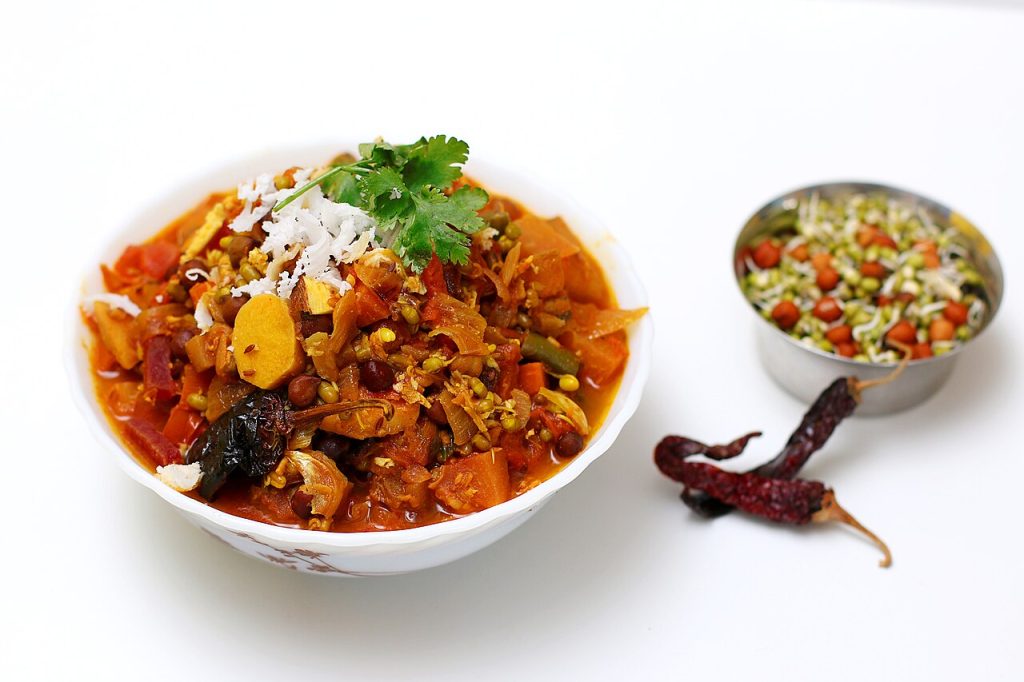
Why Traditional Food Matters Today
Traditional recipes are more than nostalgia; they’re a living archive of ingredients, techniques, and stories that have survived generations. By re‑introducing these dishes into everyday cooking, we gain access to diverse flavors, natural seasonings, and time‑tested nutrition profiles. Whether you’re a busy professional or a seasoned chef, the principles behind traditional meals can inspire creative, balanced plates that feel both comforting and adventurous.
1. Start with a Core Ingredient
Choose one staple that defines a cuisine—rice in Southeast Asia, barley in the Middle East, or corn in Latin America. Use it as the foundation for a weekly menu, pairing it with seasonal vegetables and proteins that reflect the region’s culinary identity.
- Rice bowls: stir‑fry with garlic, ginger, and a splash of soy for a quick Asian twist.
- Barley salads: combine with chickpeas, tomatoes, and lemon‑yogurt dressing for a Mediterranean feel.
- Polenta plates: top with sautéed mushrooms and truffle oil for an Italian-inspired comfort dish.
2. Embrace Simple Seasoning Techniques
Traditional cuisines often rely on a handful of herbs and spices that bring depth without complexity. Master a few key techniques—marinating, slow‑cooking, and braising—to unlock robust flavors.
- Marination: soak proteins in a mixture of yogurt, cumin, and paprika for at least 30 minutes.
- Braising: cook tough cuts of meat with onions, carrots, and a splash of wine until tender.
- Herb infusion: simmer broth with bay leaves, thyme, and peppercorns to build aromatic bases.
3. Use Fresh, Seasonal Produce
Seasonality is a hallmark of traditional cooking. Incorporate locally harvested fruits and vegetables to add brightness and reduce environmental impact. Swap out ingredients with what’s in season to keep meals fresh and cost‑effective.
4. Adapt Portion Sizes for Modern Lifestyles
Traditional servings were often large and communal, but today’s meals can be scaled down without losing flavor. Use small, portion‑controlled bowls or plates to maintain variety while preventing waste.
5. Infuse Cultural Stories into Your Table
Share the background of each dish—its origins, the people who made it, and why it matters. This storytelling element turns a simple meal into a memorable experience, fostering appreciation for diverse cultures.
6. Practical Kitchen Tips
- Batch cook staples: Prepare grains or legumes in bulk and freeze for quick meal assembly.
- Keep a spice rack organized: Group spices by cuisine or flavor profile for easy access.
- Use versatile sauces: Make a simple tomato or peanut sauce that can accompany rice, noodles, or vegetables.
Conclusion: Bringing Tradition Into Everyday Life
By integrating traditional food principles into daily cooking, you create meals that are flavorful, nourishing, and culturally enriching. Start small—pick one dish, experiment with seasonings, and invite family to share the story. Over time, your kitchen will become a hub of global inspiration, turning everyday meals into celebrations of heritage.