
Luxury foods are more than just expensive ingredients; they are cultural icons, culinary masterpieces, and symbols of status. This article explores why these delicacies matter, showcases some of the world’s most coveted dishes, and offers practical ways to taste them without breaking the bank.
The Allure of Luxury Foods
Luxury foods captivate because they combine rarity, meticulous craftsmanship, and an elevated sensory experience. From the buttery texture of a single‑sourced truffle to the silky richness of a perfectly aged wagyu steak, each bite tells a story of tradition, terroir, and mastery.
Global Examples of Luxury Foods
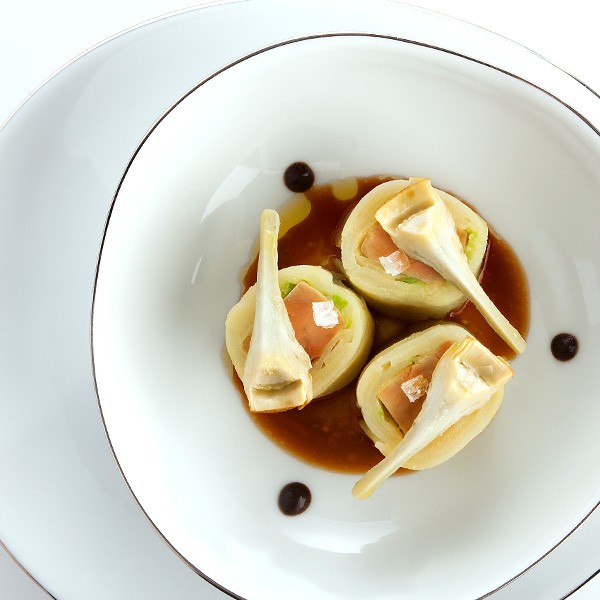
- French Foie Gras – A liver delicacy produced by force‑feeding ducks or geese, known for its velvety texture and deep umami flavor.
- Japanese Wagyu Beef – Renowned for its marbling, tenderness, and melt‑in‑your‑mouth quality.
- Italian Black Truffle – A fungus harvested from the roots of oak and hazelnut trees, prized for its earthy aroma.
- Thai Caviar – Freshly harvested from the Mekong River, offering a unique briny bite.
- Peruvian Pisco Sour – A spirit distilled from grapes, often served in upscale bars for its crisp, citrusy profile.
Health & Economic Benefits
While luxury foods often come with a high price tag, many also offer nutritional advantages. Truffles, for example, are rich in antioxidants and essential minerals. Wagyu beef contains higher levels of omega‑3 fatty acids compared to conventional beef. From an economic standpoint, these foods drive tourism, create high‑skill jobs, and support niche agricultural markets.
Practical Tips for Experiencing Luxury Foods
1. Plan Ahead – Many luxury items are seasonal or limited. Check restaurant menus and local markets ahead of time.
2. Seek Authenticity – Look for certifications and reputable suppliers. For instance, French foie gras should be labeled with the “AOC” designation.
3. Start Small – Sample portions or tapas‑style dishes before committing to a full course.
4. Pair Wisely – Complement truffles with a dry white wine or a light vinaigrette to highlight their aroma.
5. Explore Local Alternatives – If direct imports are cost‑prohibitive, search for local producers offering comparable quality, such as domestic truffle farms in the U.S. or Canadian beef brands.
Conclusion
Luxury foods are a gateway to cultural heritage, sensory pleasure, and even health benefits. By understanding their origins, recognizing their value, and approaching them thoughtfully, you can savor the world’s finest dishes without compromising your budget or ethical standards.