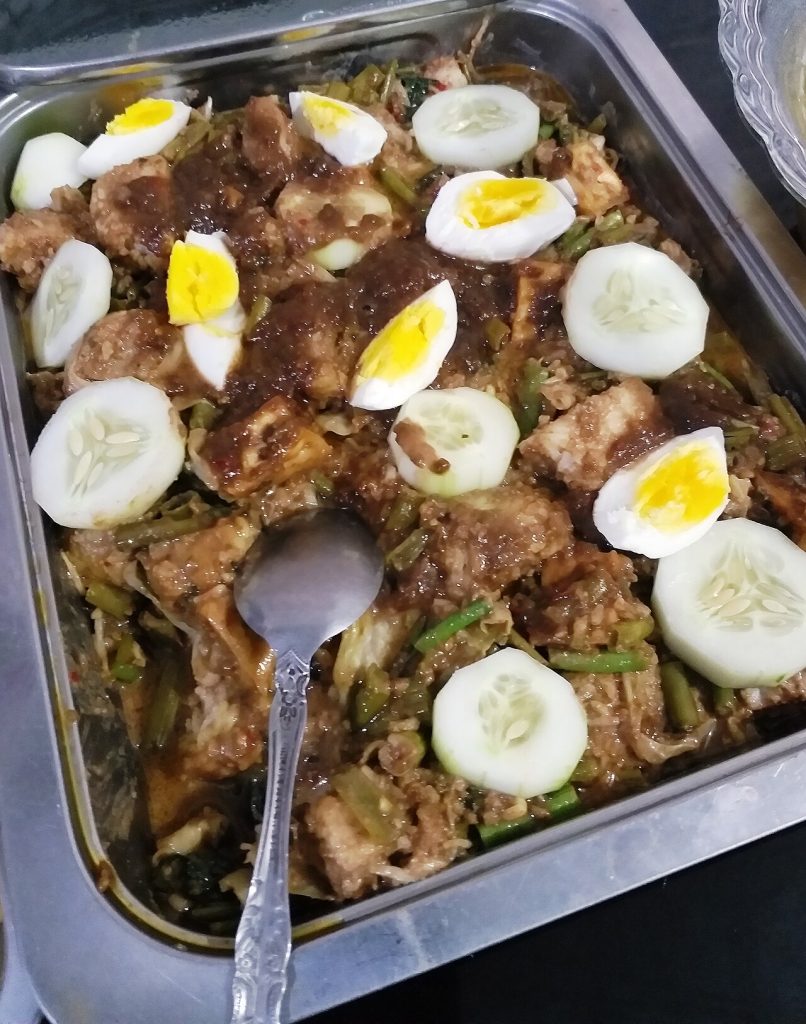
Introduction
Indonesia’s culinary landscape is as diverse as its 17,000 islands. Whether you’re a seasoned foodie or a curious traveler, Indonesian dishes offer a tapestry of flavors—from fiery sambals to fragrant coconut curries. Beyond taste, the ingredients used in traditional recipes provide a range of health benefits that make Indonesian food a smart choice for everyday meals.
Health Benefits of Indonesian Ingredients
Indonesian cuisine is built around fresh produce, herbs, and spices that are packed with nutrients and antioxidants. Here are some key benefits:
- Rich in Antioxidants: Ingredients such as turmeric, ginger, and lemongrass contain powerful anti‑inflammatory compounds that support immune function and reduce oxidative stress.
- Fiber‑Dense: Coconut milk, tempeh, and legumes provide dietary fiber, aiding digestion and maintaining stable blood sugar levels.
- Heart‑Healthy Fats: Coconut oil and nut-based sauces deliver medium‑chain triglycerides, which are metabolized differently than long‑chain fats and can improve cholesterol profiles.
- Probiotic Boost: Fermented foods like tempeh, tempeh, and fermented shrimp paste (shrimp paste) introduce beneficial bacteria that support gut health.
- Vitamin‑Rich: Leafy greens, sweet potatoes, and papaya contribute vitamins A, C, and folate, essential for skin, vision, and cellular repair.
Incorporating these staples into your diet can help you stay energized, support metabolic health, and enjoy a flavorful plate that feels nourishing.
Classic Indonesian Dishes You Should Try
Nasi Goreng (Fried Rice)
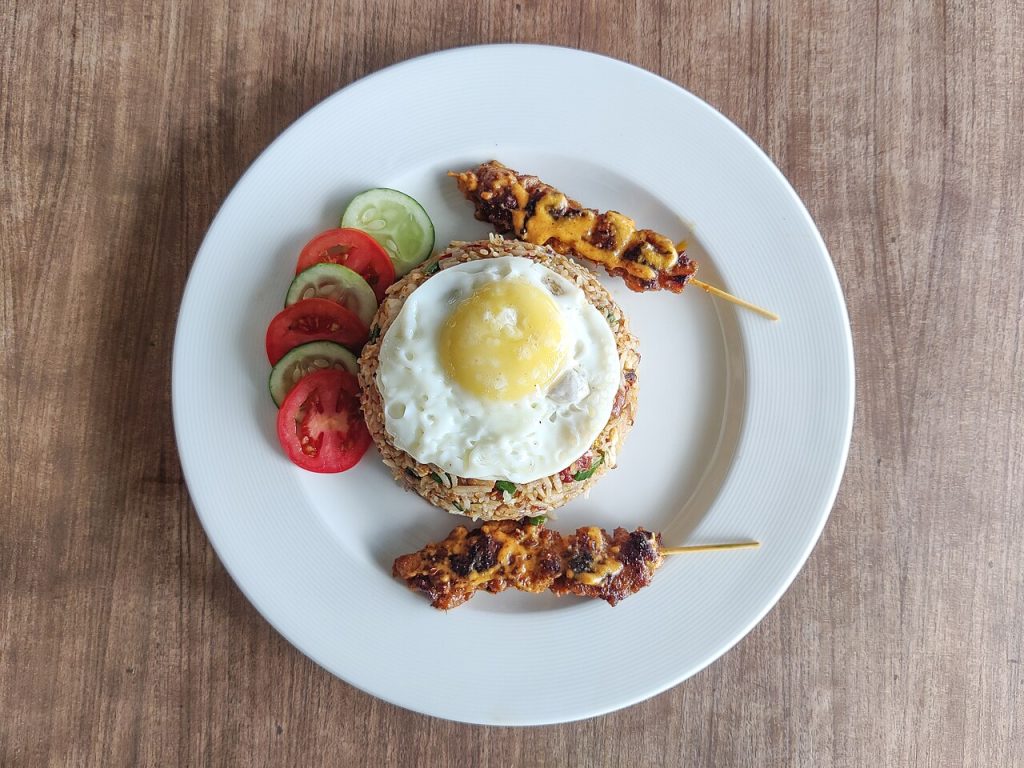
A beloved street‑food staple, Nasi Goreng blends fragrant fried rice with garlic, shallots, and a touch of sweet soy sauce. It’s typically served with a fried egg, sliced cucumber, and a side of prawn or chicken, making it a balanced mix of carbs, protein, and veggies.
Sate Ayam (Chicken Satay)
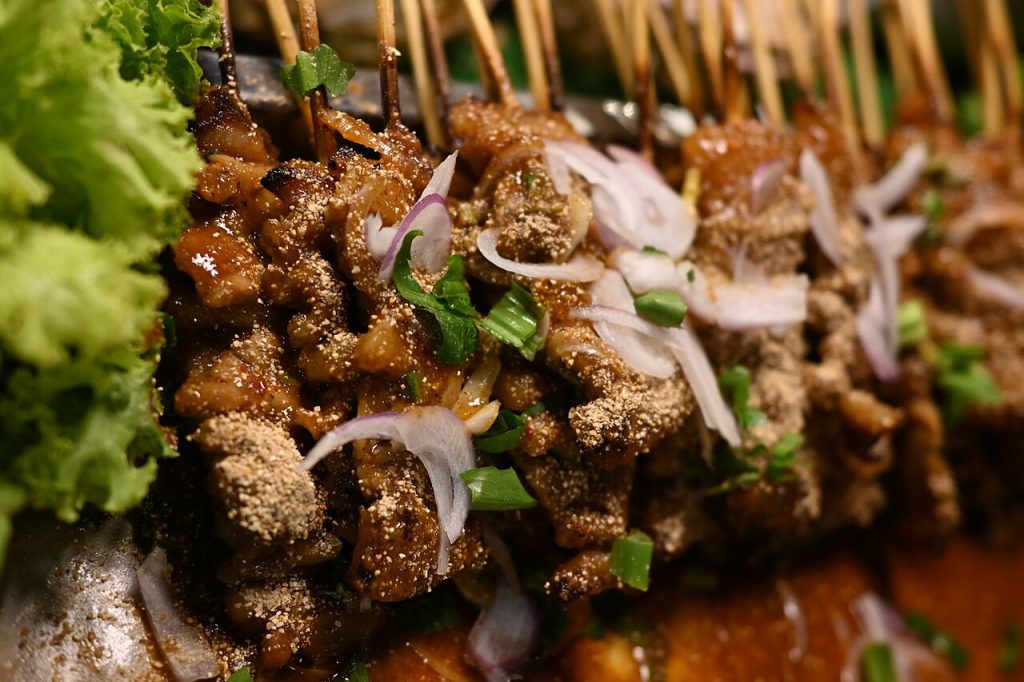
Skewered marinated chicken grilled to perfection and served with a creamy peanut sauce, Sate Ayam showcases the harmony of smoky, nutty, and slightly sweet flavors. The satay’s high protein content paired with the anti‑inflammatory properties of peanuts makes it a satisfying dish.
Gado‑Gado (Vegetable Salad with Peanut Dressing)
Gado‑Gado is a colorful medley of blanched greens, boiled potatoes, carrots, hard‑boiled eggs, and tofu, topped with a rich peanut sauce. It’s a plant‑based powerhouse, delivering protein, healthy fats, and a rainbow of vitamins.
Rendang (Slow‑Cooked Beef Stew)
Originating from Sumatra, Rendang is a slow‑cooked beef stew simmered in coconut milk and a blend of spices such as galangal, lemongrass, and dried chilies. The result is a deeply savory dish that’s both comforting and aromatic.
Creative Ways to Incorporate Indonesian Flavors Into Your Menu
Whether you’re a home cook or a professional chef, Indonesian spices can elevate everyday dishes. Try these ideas:
- Spiced Rice Bowls: Replace plain rice with coconut‑infused jasmine rice and top with grilled fish, sautéed greens, and a squeeze of lime.
- Peanut‑Sauce Pasta: Toss spaghetti with a creamy peanut sauce, roasted vegetables, and crushed peanuts for a fusion twist.
- Vegetable Stir‑Fry with Sambal: Use a mild sambal (chili paste) to stir‑fry tofu, bell peppers, and bok choy for a quick, flavor‑packed meal.
- Indonesian‑Inspired Desserts: Blend sweetened coconut milk with pandan leaf extract to create a fragrant, creamy custard or a light ice cream.
- Breakfast Tofu Scramble: Season scrambled tofu with turmeric, garlic, and a splash of soy sauce, then serve with toasted whole‑grain bread and fresh tomato slices.
Practical Tips for Cooking Authentic Indonesian Food at Home
- Start with Fresh Herbs: Lemongrass, kaffir lime leaves, and galangal are essential for depth of flavor. Buy them fresh or freeze in a small ice‑cube tray for easy access.
- Use a Wok or Dutch Oven: The wide surface area of a wok or a heavy‑bottomed Dutch oven ensures even heat distribution for stir‑fries and stews.
- Balance Heat and Sweetness: Indonesian dishes often strike a balance between spicy, sweet, and savory. Adjust sambal or sweet soy sauce to match your taste preference.
- Embrace Fermentation: Adding a spoonful of fermented shrimp paste or fermented fish sauce can deepen umami flavors—use sparingly to avoid overpowering the dish.
- Plan Ahead for Rice: Soak rice for 20 minutes before cooking to reduce cooking time and improve texture. For coconut rice, replace a portion of water with coconut milk.
Conclusion
Indonesian cuisine is a treasure trove of bold flavors and health‑boosting ingredients. By understanding the nutritional advantages, exploring classic dishes, and experimenting with creative twists, you can bring the taste of Indonesia into your everyday meals. Whether you’re whipping up a quick Nasi Goreng or simmering a fragrant Rendang, the vibrant spices and wholesome ingredients promise a culinary experience that delights the palate and nourishes the body.