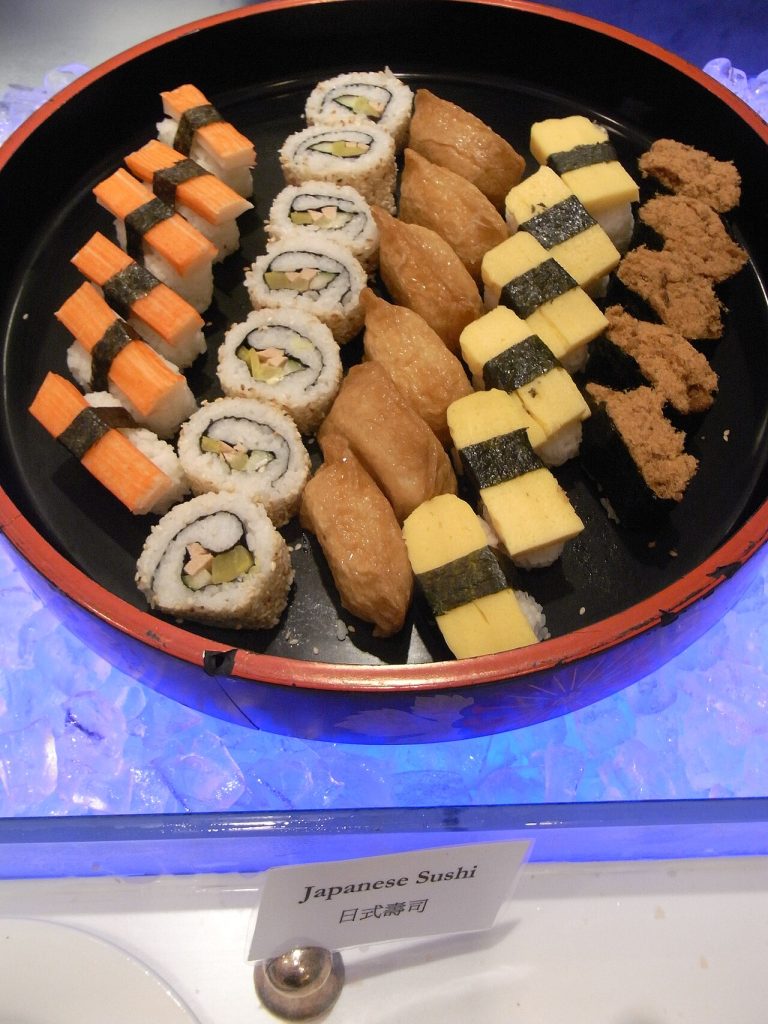
Why Traditional Food Matters
Traditional recipes are more than old‑fashioned recipes; they are living histories that carry stories, techniques, and regional flavors. By revisiting these dishes, you can learn new cooking methods, appreciate diverse ingredients, and keep culinary traditions alive for future generations.
Finding Inspiration in Simple Staples
Many everyday meals are rooted in a handful of staple ingredients. Explore how a humble grain, a basic protein, or a local vegetable can be transformed into something extraordinary.
- Rice: From sushi to paella, rice serves as the base for countless dishes.
- Legumes: Beans, lentils, and chickpeas provide nutrition and depth of flavor.
- Root Vegetables: Carrots, potatoes, and cassava offer versatility across cuisines.
Tip: Use Seasonal Produce
Seasonal ingredients not only taste better but also reduce environmental impact. Pair a traditional recipe with locally harvested produce for a fresh twist.
Practical Ways to Reinterpret Classic Dishes
Here are three straightforward strategies to give your everyday cooking a cultural flair.
- Swap Proteins: Try substituting beef with lentils in a traditional beef stew to create a hearty, plant‑based version.
- Change Cooking Techniques: Use a slow cooker to mimic the slow simmer of a traditional braise, making dinner prep effortless.
- Introduce Signature Spices: Add cumin, coriander, or smoked paprika to a simple pasta sauce to evoke Mediterranean or Middle Eastern vibes.
Practical Tip: Make a Flavor Profile Sheet
Write down the key spices, herbs, and cooking methods for each dish you love. Refer to this sheet when you experiment, ensuring you capture the essence of the original recipe.
Creating a Global Menu at Home
Build a weekly meal plan that showcases a different culture each week. This not only broadens your palate but also keeps meals exciting.
- Monday: Mexican enchiladas with homemade corn tortilla.
- Tuesday: Japanese miso soup with tofu and seaweed.
- Wednesday: Indian lentil dal with fragrant basmati rice.
- Thursday: French ratatouille served over crusty bread.
- Friday: Thai green curry with coconut milk and bamboo shoots.
- Saturday: Greek moussaka with layers of eggplant and béchamel.
- Sunday: Italian risotto with mushrooms and Parmesan.
Tip: Cook with a Family Member
Invite a relative or friend to share stories behind the dishes. Their anecdotes add depth to the cooking experience and preserve oral traditions.
Balancing Tradition and Modernity
Modern kitchens often favor convenience, but you can blend tradition with efficiency. For instance, use pre‑minced garlic or a spice grinder to cut prep time while retaining authentic flavors.
Practical Advice: Keep a “Tradition Box”
Store essential spices, dried herbs, and small kitchen tools that are commonly used in traditional cooking. This makes it easier to pick up a recipe and start cooking without hunting for ingredients.
Conclusion
Traditional food is a gateway to cultural understanding and culinary creativity. By incorporating simple, practical techniques into your daily routine, you can honor heritage dishes while enjoying fresh, modern twists. Let the stories of the past inspire your present meals and enrich your kitchen for years to come.