
Introduction
Japanese food is celebrated worldwide for its fresh flavors and elegant presentation. Yet beyond the familiar sushi rolls and steaming bowls of ramen lies a treasure trove of lesser‑known secrets that can transform everyday meals into memorable experiences. In this guide we’ll explore the hidden ingredients, traditional techniques, and regional dishes that often escape the spotlight, and offer practical tips to bring them into your kitchen.
1. The Power of Umami Boosters
Aged Soy Sauce (Shoyu)
While most home cooks use light soy sauce for seasoning, aged shoyu—sometimes called “black soy sauce”—has a richer, sweeter profile. Its extended fermentation develops complex amino acids that deepen flavor without adding salt. Try swapping a splash of aged shoyu for regular soy in marinades, stir‑fries, or dipping sauces.
Dried Shiitake Mushrooms
Rehydrated shiitake mushrooms release a savory aroma that’s often described as “meaty.” Use them to infuse stocks, or slice thinly and sauté with garlic for a quick umami boost in pasta sauces or rice bowls.
Fish Sauce (Karaage‑Shio)
Though typically associated with Southeast Asian cuisine, a small amount of Japanese fish sauce can add depth to broths and sauces. Add a teaspoon to miso soup or simmer in a simmering broth for a subtle, oceanic undertone.
2. Hidden Techniques That Elevate Flavor
Char‑Grilling (Yakiniku Style)
Japanese barbecue is more than just grilling meat. The key is quick, high‑heat searing that locks in juices while creating a caramelized crust. Marinate thin cuts of beef or pork in a mixture of mirin, soy sauce, and a touch of sugar, then grill on a pre‑heated pan or grill for 1‑2 minutes per side.
Shichimi Togarashi Seasoning
This seven‑spice blend—coriander, fennel, white pepper, and dried chili—adds a gentle heat and aromatic complexity to almost any dish. Sprinkle it over grilled fish, roasted vegetables, or even plain rice for a quick flavor lift.
Pickling with Umezu (Plum Vinegar)
Plum vinegar, made from fermented ume fruit, offers a sweet‑tart profile that pairs beautifully with vegetables. Quick‑pick sliced daikon, cucumber, or carrots in umezu, sugar, and a pinch of salt for an instant side that complements sashimi or rice bowls.
3. Off‑Beat Regional Dishes Worth Exploring
- Hokkaido’s Jingisukan – a Mongolian‑style lamb barbecue that’s a local favorite. The lamb is marinated in a sauce of soy, sake, and mirin, then grilled over charcoal.
- Kyoto’s Yudofu – simmered tofu in a light broth, served with a variety of dipping sauces. It’s a simple yet comforting dish that showcases the subtle flavors of tofu.
- Okinawan Goya Champuru – a stir‑fry of bitter melon, tofu, and pork, flavored with soy sauce and a splash of miso. The bitterness of the melon balances the umami of the sauce.
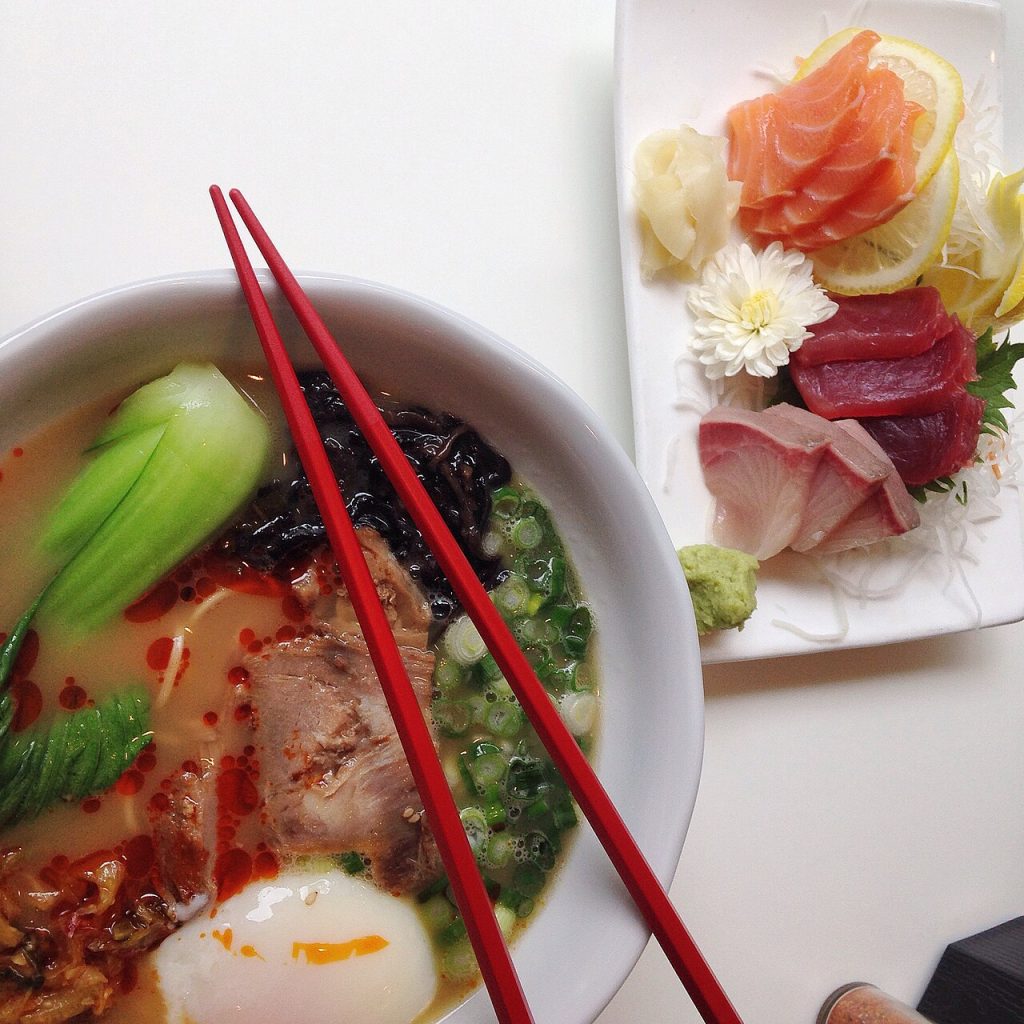
- Fukuoka’s Hakata Ramen – a pork bone broth ramen that’s rich and silky. The secret lies in simmering the bones for 18–24 hours and then straining the broth through a charcoal filter.
4. Practical Tips for Bringing These Secrets Home
- Shop at a Japanese Supermarket – Look for aged soy sauce, dried shiitake, and shichimi togarashi. These ingredients are often hard to find in conventional grocery stores.
- Use a High‑Quality Pan – A cast‑iron or stainless steel skillet retains heat well, allowing for the quick searing technique used in yakiniku.
- Prep in Advance – Marinate meats overnight and rehydrate dried mushrooms a few hours before cooking to maximize flavor.
- Experiment with Small Batches – Start with a single dish like a quick pickled cucumber side or a small batch of ramen broth to test the flavor profile before scaling up.
5. A Simple Recipe: Umezu‑Pickled Daikon
Ingredients:
- 1 medium daikon radish, thinly sliced
- 2 tablespoons umezu (plum vinegar)
- 1 tablespoon sugar
- 1 teaspoon salt
- Optional: a pinch of shichimi togarashi
Instructions:
- Combine umezu, sugar, and salt in a bowl and stir until the sugar dissolves.
- Add the sliced daikon and let it marinate for 30 minutes.
- After marinating, sprinkle with shichimi togarashi if desired and serve as a side with grilled fish or rice.
Conclusion
Japanese cuisine is a layered tapestry of flavors, techniques, and regional traditions. By incorporating aged soy sauce, dried shiitake, and shichimi togarashi, mastering quick searing methods, and exploring off‑beat dishes like Hokkaido’s Jingisukan or Okinawan Goya Champuru, you can elevate your home cooking and gain a deeper appreciation for Japan’s culinary artistry. The next time you visit a Japanese market or sit down to a bowl of ramen, keep an eye out for these hidden gems and let your taste buds discover the secrets that lie beyond the obvious.