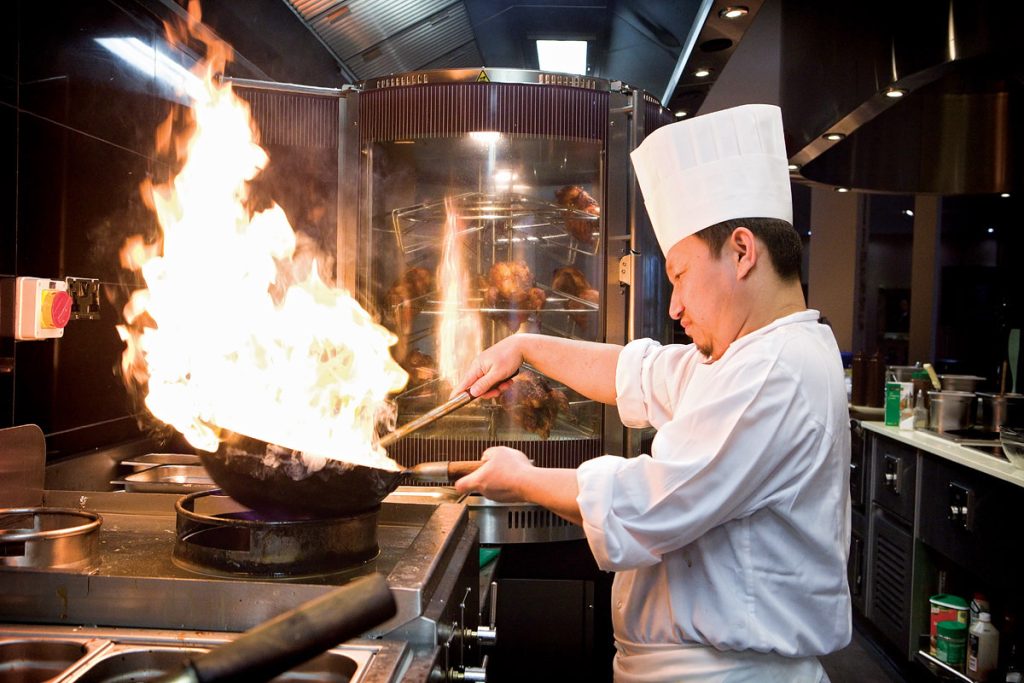
Chinese cuisine is celebrated for its vibrant flavors, quick cooking times, and balanced textures. Yet many home cooks struggle to replicate that restaurant feel because they fall into common traps. In this guide we break down five frequent mistakes, explain why they happen, and provide simple, actionable solutions so you can make Chinese food that tastes truly authentic.
Common Mistakes & Fixes
1. Ignoring Heat Levels
A wok’s secret lies in its ability to reach very high temperatures. Using a medium or low flame forces the sauce to thicken, the vegetables to steam, and the meat to lose its sear. The result? A bland, soggy dish. Fix: Pre‑heat the wok until it shimmers, then add oil and let it heat until it begins to smoke slightly. Use the highest flame you can safely manage, then reduce to medium‑high only for delicate ingredients.
2. Improper Ingredient Preparation
Uneven cuts, leftover moisture, or rushed marination can throw off both texture and flavor. Thinly sliced meat should be sliced against the grain and marinated for at least 15 minutes, while vegetables should be cut in uniform pieces to ensure even cooking. Fix: Slice all proteins into 3‑4 mm thick strips; cut vegetables into bite‑sized pieces. Pat meat dry before marinating to help the sauce adhere. Always keep a small bowl of cold water nearby to rinse and dry vegetables after washing.
3. Using Low‑Quality Sauces
Substituting store‑bought soy sauce with a generic brand or using too much sugar can ruin the subtle balance of salty, sweet, and umami. Fresh ingredients are essential, but the sauces you add must be authentic. Fix: Choose a dark soy sauce for depth and a light soy sauce for seasoning. Replace cheap oyster sauce with a small amount of fish sauce or hoisin for complexity, and keep the sweetener minimal.
4. Overcrowding the Wok
Adding too many ingredients at once lowers the wok’s temperature and forces the food to steam instead of sear. This not only changes the flavor profile but also makes the dish mushy. Fix: Cook in batches. Stir‑fry proteins first until just cooked, then set aside. Add aromatics and vegetables in stages, finishing with sauces and proteins again.
5. Timing of Aromatics
Chinese dishes rely on a precise sequence: garlic, ginger, scallions, then the main ingredients. Adding aromatics at the wrong time can burn them or dilute their impact. Fix: Sauté garlic and ginger for 10‑15 seconds until fragrant before adding onions or scallions. Then immediately introduce the protein and vegetables, keeping the wok moving.
Practical Tips for Consistent Success
- Use a real wok: The wide base distributes heat evenly and allows for quick movement.
- Keep your pan dry: Splashing water into hot oil can cause dangerous splatter.
- Measure sauces: A tablespoon of soy sauce can change the entire flavor profile—measure carefully.
- Finish with a splash of vinegar: A little rice vinegar brightens the dish and balances richness.
- Serve immediately: Chinese food is best enjoyed hot and fresh; leftovers lose texture quickly.
Conclusion
Mastering Chinese cooking isn’t about following a secret recipe; it’s about respecting heat, preparation, and timing. By avoiding these five common mistakes and applying the practical fixes above, you’ll consistently create dishes that showcase the depth, balance, and excitement of authentic Chinese cuisine. Happy cooking!