
Introduction
Indonesia’s culinary scene is a mosaic of flavors, textures, and aromas that reflect its diverse archipelago. With over 17,000 islands, each region brings its own ingredients and cooking techniques to the table. Whether you’re a seasoned traveler or a curious foodie, knowing how to pick the right dishes will help you enjoy an authentic experience without missing out on local favorites. This guide will walk you through the core flavors, regional variations, menu reading strategies, and safety tips so you can taste the best of Indonesia with confidence.
Understand the Core Flavors
Indonesian cuisine is built around five basic taste categories that often coexist in a single dish:
- Sweet – usually from palm sugar or coconut milk.
- Sour – from tamarind, lime, or fermented fish.
- Salty – achieved with soy sauce, shrimp paste, or salt.
- Spicy – ranging from mild to fiery, thanks to chili peppers.
- Umami – delivered by fermented fish, anchovies, or coconut.
When choosing a dish, consider the balance of these flavors. A well‑crafted meal will not lean too heavily on one note but will present a harmonious blend that showcases Indonesia’s culinary artistry.
Regional Variations
Each island and province has signature ingredients and cooking styles. Here are a few key regions and what they’re known for:
- Java – Rich, sweet stews like rendang and babi guling, and aromatic coffee.
- Bali – Fresh seafood, coconut‑based curries, and the iconic babi guling (roasted suckling pig).
- Sunda (West Java) – Savory nasi timbel and spicy gado‑gado salads.
- Sumatra – Hearty, spice‑laden dishes such as nasi goreng with satay and pempek (fish cakes).
- Maluku – Influences from Dutch and Chinese trade, featuring mendoan (fried fish cakes) and tinutuan (rice soup).
When traveling, ask locals or read a quick regional guide to know which dishes are a must‑try in your destination. This ensures you sample the true spirit of each area.
Popular Dishes to Try
Below are three iconic dishes that represent the breadth of Indonesian cuisine. They are widely available in both high‑end restaurants and street stalls.
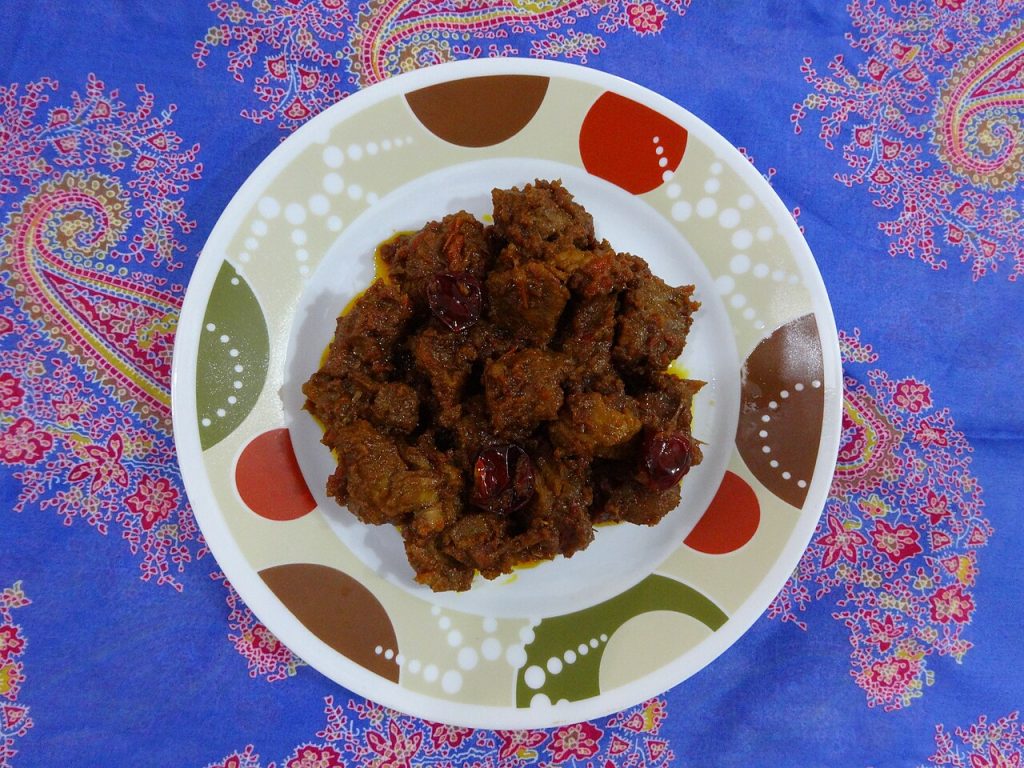
- Rendang – A slow‑cooked beef or mutton stew simmered in coconut milk, lemongrass, and a complex blend of spices. It’s sweet, smoky, and deeply aromatic.
- Nasi Goreng – Fried rice with a savory base of garlic, shallots, and kecap manis (sweet soy sauce). It’s often topped with a fried egg, prawns, or chicken.
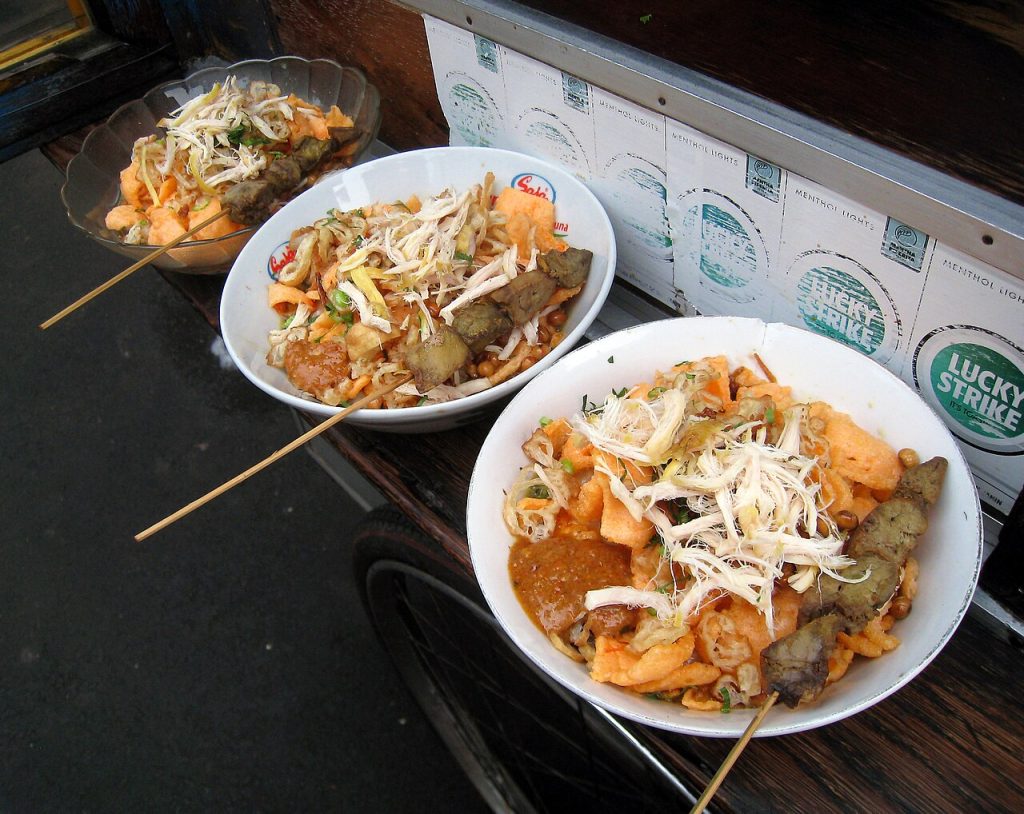
- Sate Ayam – Marinated chicken skewers grilled over charcoal and served with a rich peanut sauce. The sauce’s nuttiness pairs perfectly with the smoky grill flavor.
These dishes can be found in most Indonesian eateries, so they’re safe bets when you’re unsure what to order.
How to Read the Menu
Menus in Indonesia can be a mix of Bahasa Indonesia, English, and sometimes local dialects. Here’s how to decode them:
- Look for key terms: Pedas (spicy), Manis (sweet), Goreng (fried), Rebus (boiled), Asam (sour).
- Check the ingredients list: If you’re vegan, vegetarian, or have allergies, verify that no animal products or allergens are present.
- Ask the staff: Don’t hesitate to request a description in English or a quick demo of a dish’s main flavors.
- Observe the price: A higher price often indicates premium ingredients or a more elaborate preparation, but street food can also be exceptionally tasty and budget‑friendly.
Tips for Dining Safely
Indonesia’s food scene is vibrant, but it’s important to stay safe:
- Choose reputable stalls: Look for busy crowds and fresh ingredients. A high turnover of food is a good sign.
- Check the cooking temperature: Ensure meats and seafood are cooked thoroughly. Over‑cooked fish can be a sign of freshness.
- Drink bottled water: Avoid tap water and ice unless you’re sure it’s filtered. Stick to sealed beverages.
- Carry hand sanitizer: A quick cleanse before eating can reduce the risk of foodborne illness.
Pairing Food with Drinks
Indonesia offers a variety of drinks that complement its dishes:
- Teh tarik – A sweet, frothy milk tea that balances spicy meals.
- Es kelapa muda – Young coconut water, refreshing after a spicy dish.
- Bintang beer – A light lager that pairs well with grilled meats and satay.
- Jamu – Herbal infusions with turmeric, ginger, and tamarind, often enjoyed for their digestive benefits.
Conclusion
Choosing the right Indonesian food is less about guessing and more about understanding the country’s flavor palette, regional specialties, and menu cues. By keeping these practical tips in mind, you’ll be able to savor Indonesia’s diverse culinary treasures while enjoying a safe, memorable dining experience. Bon appétit and selamat menikmati!