Introduction
Japanese cuisine is celebrated for its clean flavors, fresh ingredients, and balanced nutrition. While sushi restaurants and ramen shops dominate the scene, many of the most beloved dishes can be recreated at home with just a handful of pantry staples. This guide breaks down the essentials so you can enjoy authentic Japanese meals without a trip to Asia.
Start with Rice: The Base of Japanese Meals
Rice is the backbone of almost every Japanese dish. The key to great Japanese rice is twofold: choosing the right grain and mastering the cooking technique.
- Choose short‑grained rice: Japanese short‑grained varieties stick together better than long‑grained types, giving you that characteristic bite.
- Rinse until the water runs clear: This removes excess starch and prevents the rice from becoming gummy.
- Use a rice cooker or a tight‑fitting pot: Cook on low heat, then let it steam for 10 minutes after turning off the heat.
Once you have perfectly steamed rice, you can pair it with any of the dishes below.
Quick & Simple Miso Soup
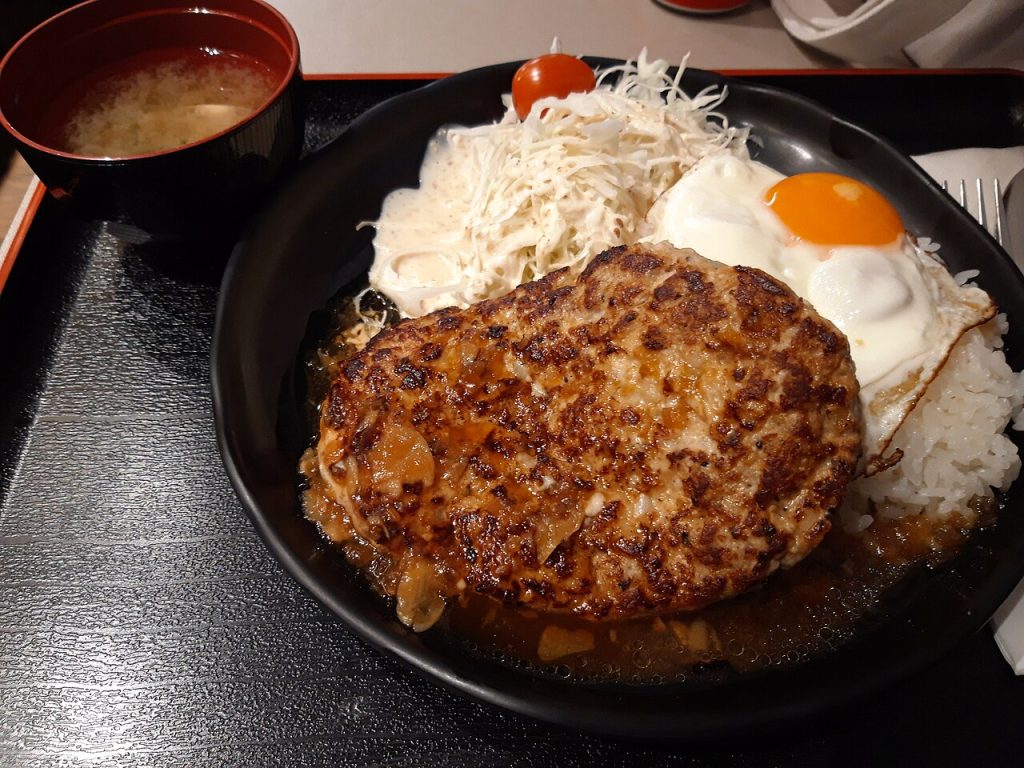
Misó soup is a comforting staple that can be made in five minutes. It’s a great way to add umami to your meal.
- Ingredients: 4 cups dashi (or water + 1 tsp dashi powder), 3 tbsp miso paste, 1/2 cup cubed tofu, 2 tbsp chopped green onions, optional seaweed.
- Method: Bring dashi to a gentle boil. Reduce heat, whisk in miso paste until dissolved. Add tofu, seaweed, and green onions. Heat through without boiling to preserve nutrients.
Serve hot with a side of rice or as a starter before a larger meal.
Sushi at Home: No Roll Mastery Needed
Traditional sushi rolling can feel intimidating, but you can enjoy sushi-style bowls and hand rolls in minutes.
- Ingredients: Cooked rice, nori sheets, sliced cucumber, avocado, crab or imitation crab, soy sauce, wasabi.
- Method: For a bowl, layer rice, nori strips, cucumber, avocado, and crab. Drizzle with soy sauce and a dab of wasabi. For hand rolls, place nori on a bamboo mat, spread rice, top with fillings, and roll tightly. Slice and serve.
These variations capture the essence of sushi without the need for a bamboo mat or a sushi chef.

Classic Japanese Breakfast
A balanced Japanese breakfast includes protein, carbs, and greens. Try this simple lineup:
- Rice with miso soup – the foundation of many meals.
- Grilled fish – a small fillet of salmon or mackerel, seasoned with salt.
- Pickled vegetables – quick-pickled carrots and daikon add crunch and acidity.
- Green tea – a soothing finish to start your day.
Feel free to swap in tofu or egg for the fish if you prefer.
Japanese Comfort Food: Okonomiyaki
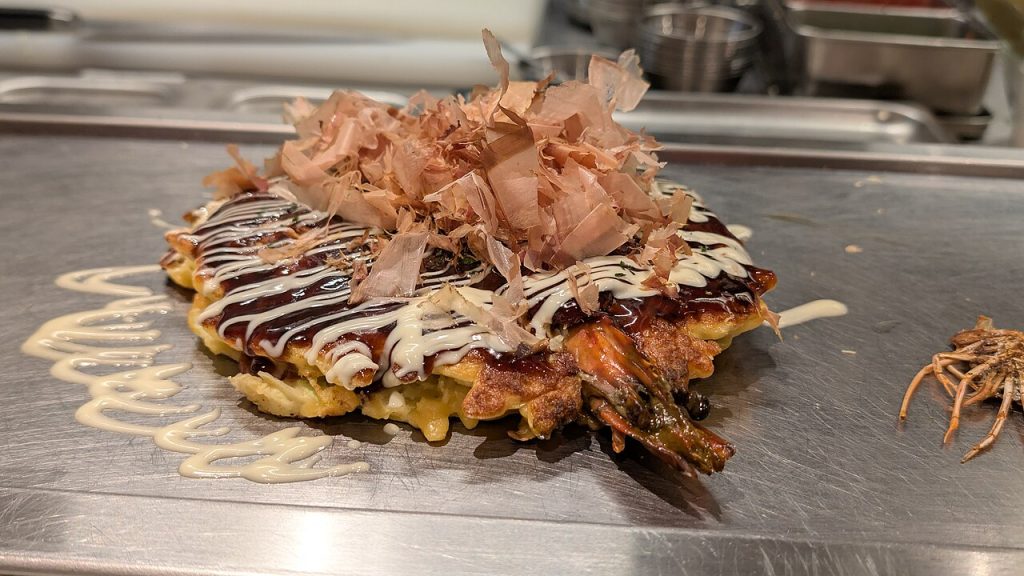
Okonomiyaki is a savory pancake that lets you mix in whatever you like – think cabbage, pork, shrimp, or even cheese. It’s a crowd‑pleaser and incredibly flexible.
- Ingredients: 1 cup all‑purpose flour, 1 cup dashi or water, 1 egg, 1 cup shredded cabbage, 1/2 cup chopped green onions, optional pork belly slices or shrimp, okonomiyaki sauce, Japanese mayo, bonito flakes.
- Method: Whisk flour, dashi, and egg to create a batter. Stir in cabbage and green onions. Pour a ladleful onto a hot griddle, add your protein choice, and cook until the bottom is golden. Flip and cook the other side. Drizzle with sauce, mayo, and sprinkle bonito flakes.
Serve hot, and enjoy the gooey, comforting texture.
Practical Tips for Authentic Flavor
- Use soy sauce instead of tamari: While tamari is great for gluten‑free diets, regular soy sauce gives a richer Japanese taste.
- Season with dashi: Adding a splash of dashi to sauces or stir‑fries instantly boosts umami.
- Freshness matters: Opt for the freshest fish and produce; Japanese cuisine emphasizes the natural flavors of ingredients.
- Presentation counts: Slice food neatly, arrange colors thoughtfully, and use small bowls to mimic traditional plating.
Conclusion
With a few essential ingredients and simple techniques, you can bring the taste of Japan into your kitchen. From steaming perfect rice to whipping up miso soup, sushi bowls, and okonomiyaki, these dishes are both approachable and deeply satisfying. Start experimenting today and turn ordinary meals into memorable Japanese experiences.