Introduction
Thai food is celebrated worldwide for its vibrant flavors, fragrant aromas, and colorful presentation. While dishes like Pad Thai and Tom Yum are household names, the true depth of Thai cuisine lies in its regional diversity, lesser‑used ingredients, and subtle techniques that create harmony on the palate. In this guide, we’ll peel back the layers of Thailand’s culinary secrets, offering you practical insights and cooking tips that go beyond the usual recipes.
1. Beyond Pad Thai: Regional Flavors That Define Thailand
Thailand’s geography—from the lush jungles of the north to the coastal wetlands of the south—has given rise to distinct regional cuisines. Each region uses local ingredients and cooking methods that shape its signature dishes.
- North Thailand: Think Khao Soi, a coconut‑based curry noodle soup, and Sai Oua, a spicy herb sausage that showcases the region’s love for fresh herbs and chilies.
- Isan (Northeast): The staple Som Tam (green papaya salad) is a fiery, lime‑driven dish that balances sweet, sour, salty, and spicy flavors, while Larb—a minced meat salad—highlights fresh mint and toasted rice powder.
- Central Thailand: Known for Pad Krapow (stir‑fried basil) and Gaeng Daeng (red curry), the central region emphasizes aromatic herbs like kaffir lime leaves and lemongrass.
- South Thailand: Rich seafood dishes, such as Massaman Curry and Tom Kha Gai, incorporate coconut milk, galangal, and regional spices like coriander seeds.
Understanding these regional differences helps you appreciate why Thai food feels both familiar and constantly surprising.
2. Secret Ingredients That Define Thai Taste
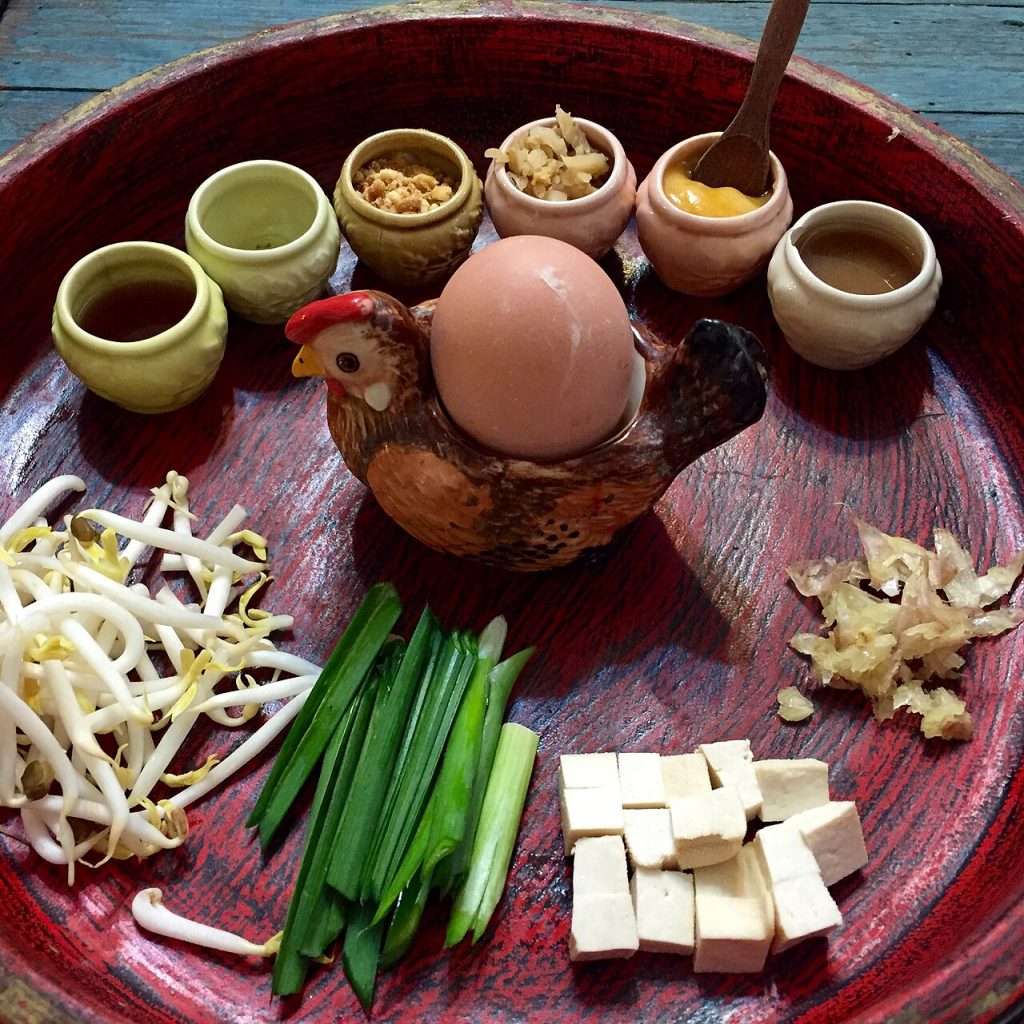
Beyond the common staples of fish sauce, lime, and chili, Thai cuisine relies on a handful of unique ingredients that give dishes their unmistakable character.
- Belalai (Tamarind): Adds a tangy, slightly sweet depth to curries and sauces.
- Galangal: A root similar to ginger but with a sharper, citrusy aroma, essential in soups like Tom Kha.
- Shallot & Shallot Leaves: Provide a subtle onion‑like sweetness that balances spiciness.
- Bird’s Eye Chili: Small but potent, it delivers heat without overpowering the dish.
- Fresh Kaffir Lime Leaves: Their citrusy fragrance is a hallmark of many curries and stir‑fries.
These ingredients may seem minor, but they are the linchpins that hold Thai flavor profiles together.
3. The Art of Balancing Flavors
Thai chefs master a culinary equation: sweet + salty + sour + bitter + umami = harmony. Mastering this balance is the secret behind every memorable Thai dish.
- Sweetness: Achieved through palm sugar or coconut milk.
- Salinity: Derived from fish sauce and shrimp paste.
- Sourness: Lime juice, tamarind, and fermented fish provide sharp acidity.
- Bitter: Fresh herbs like kaffir lime leaves and bitter melon add contrast.
- Umami: Coconut milk, fermented fish, and dried anchovies enrich the depth.
When cooking, taste each component as you add it—this iterative approach ensures that no single flavor dominates.
4. How to Cook Authentic Thai at Home
While Thai restaurants offer convenience, creating authentic dishes in your kitchen is both rewarding and cost‑effective. Here’s a step‑by‑step approach:
- Use a wok or non‑stick skillet for high‑heat, quick cooking.
- Prep ingredients in advance (mise en place) to keep the cooking flow smooth.
- Start with aromatics: Sauté garlic, shallots, chilies, and lemongrass to release their flavors before adding the main proteins.
- Control heat: Thai dishes require medium‑high heat—too low and the flavors won’t develop; too high and the dish can burn.
- Finish with fresh herbs—basil, mint, or cilantro—just before serving to preserve their bright flavor.
Practice with a few staple recipes—like Pad Kee Mao (Drunken Noodles) and Gaeng Hung (Green Curry)—to build confidence.
5. Practical Tips for Finding Fresh Thai Ingredients
Authentic Thai cooking hinges on fresh, high‑quality ingredients. Here’s how to source them:
- Asian grocery stores: Look for sections dedicated to Thai foods; many carry fresh herbs, tamarind paste, and fish sauce.
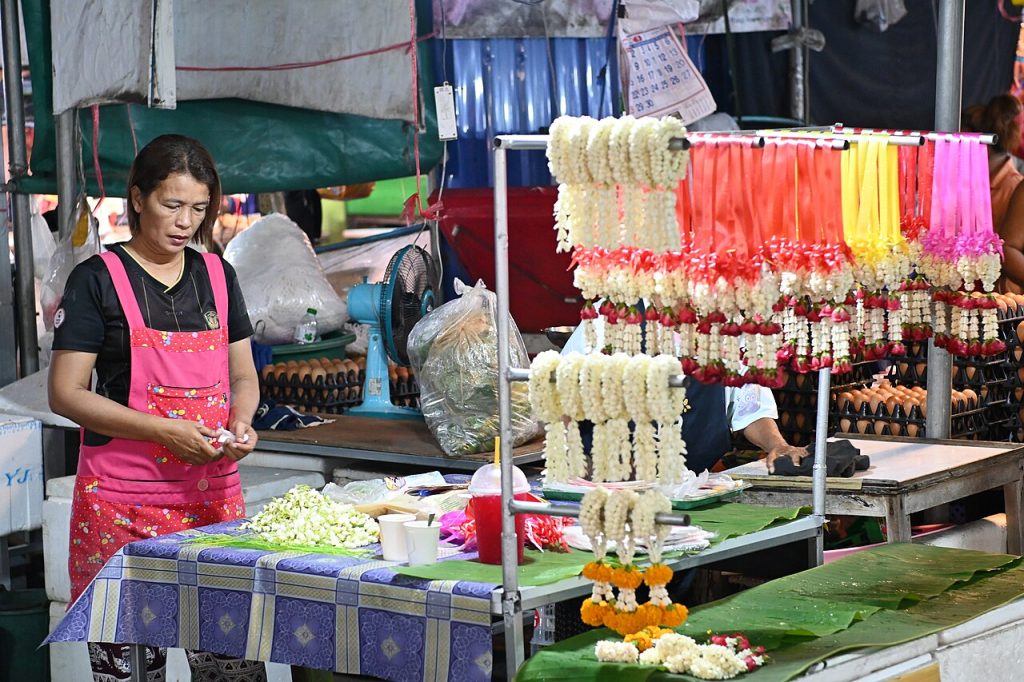
- Farmers’ markets: Fresh chilies, basil, and kaffir lime leaves can often be found at local markets.
- Online retailers: Websites like Thaispot and Thai Food Store offer bulk spices and ready‑to‑use pastes.
- Substitute wisely: If you can’t find galangal, a mix of ginger and a hint of citrus zest can mimic its flavor.
Store herbs in a damp paper towel inside a zip‑lock bag to keep them fresh longer.
Conclusion
Thai cuisine’s allure lies not just in its iconic dishes but in the nuanced interplay of regional flavors, secret ingredients, and meticulous balance. By exploring these lesser‑known secrets, you can elevate your cooking, enjoy richer experiences, and bring a slice of Thailand’s culinary artistry to your home. Whether you’re a seasoned chef or a curious foodie, the next time you taste Pad Thai, remember that there’s a world of Thai flavors waiting to be discovered.