
Indonesian cuisine is a vibrant tapestry of spices, herbs, and fresh ingredients that reflects the archipelago’s diverse cultural heritage. From fragrant curries to savory grilled meats, each dish offers a unique sensory experience and a range of nutritional benefits. Whether you’re a seasoned foodie or a curious beginner, this guide will walk you through the key advantages of Indonesian food, showcase must‑try dishes, and provide practical tips for cooking at home.
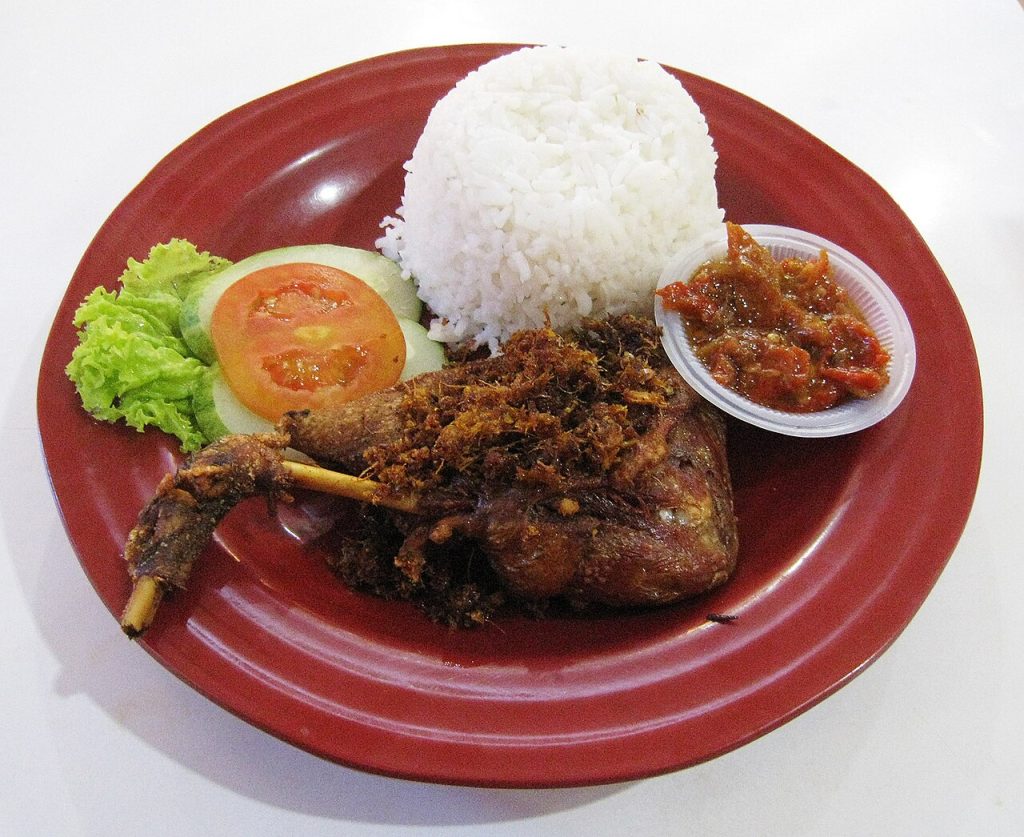
Benefits of Indonesian Food
Nutritional Value
Indonesian meals often feature a balance of protein, healthy fats, and complex carbohydrates. Proteins come from seafood, poultry, and legumes, while healthy fats are supplied by coconut milk, palm oil, and nut butters. Complex carbs such as rice, noodles, and root vegetables provide sustained energy, making these dishes suitable for active lifestyles.
Gut Health
Fermented foods like tempeh and kecap asin (soy sauce) introduce beneficial probiotics, supporting digestion and immunity. Additionally, the generous use of fresh herbs—coriander, mint, and lemongrass—adds antioxidants that help reduce inflammation.
Iconic Indonesian Dishes
Nasi Goreng
Indonesia’s beloved fried rice is a versatile canvas. Made with leftover rice, eggs, prawns, and a blend of sweet soy sauce and chili, it’s a comforting dish that can be tailored to vegetarian or protein‑rich preferences.
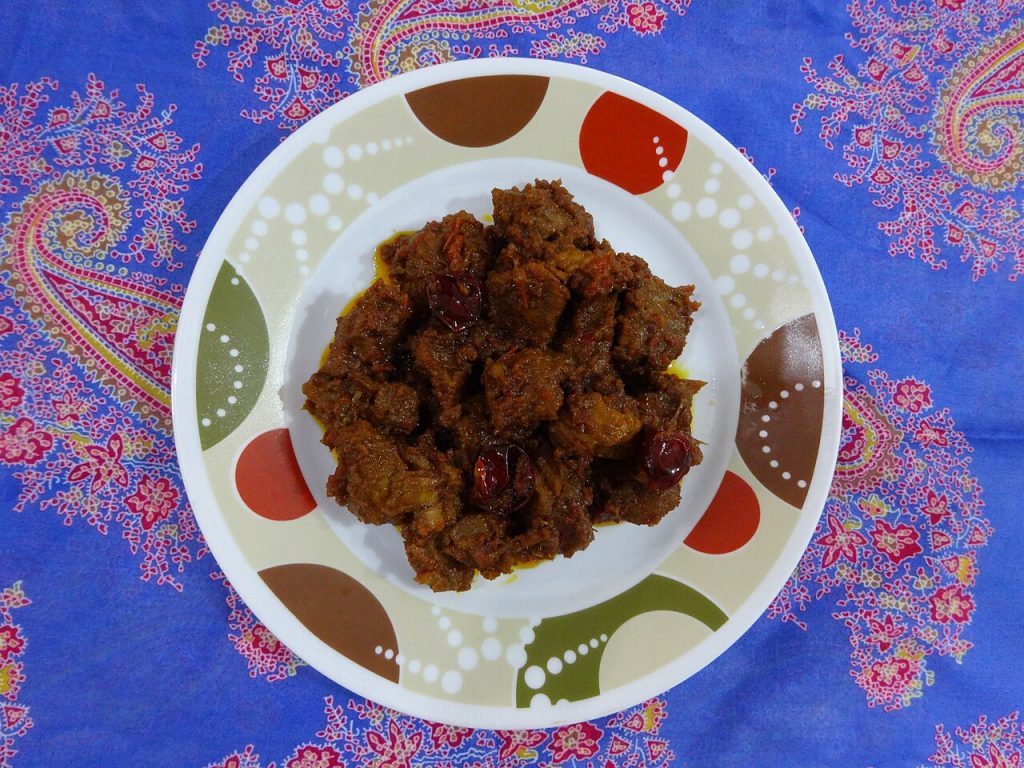
Rendang
Originating from Padang, this slow‑cooked beef stew is simmered in coconut milk and a complex spice paste featuring galangal, lemongrass, and dried chilies. The result is a tender, caramelized meat that pairs beautifully with steamed rice.
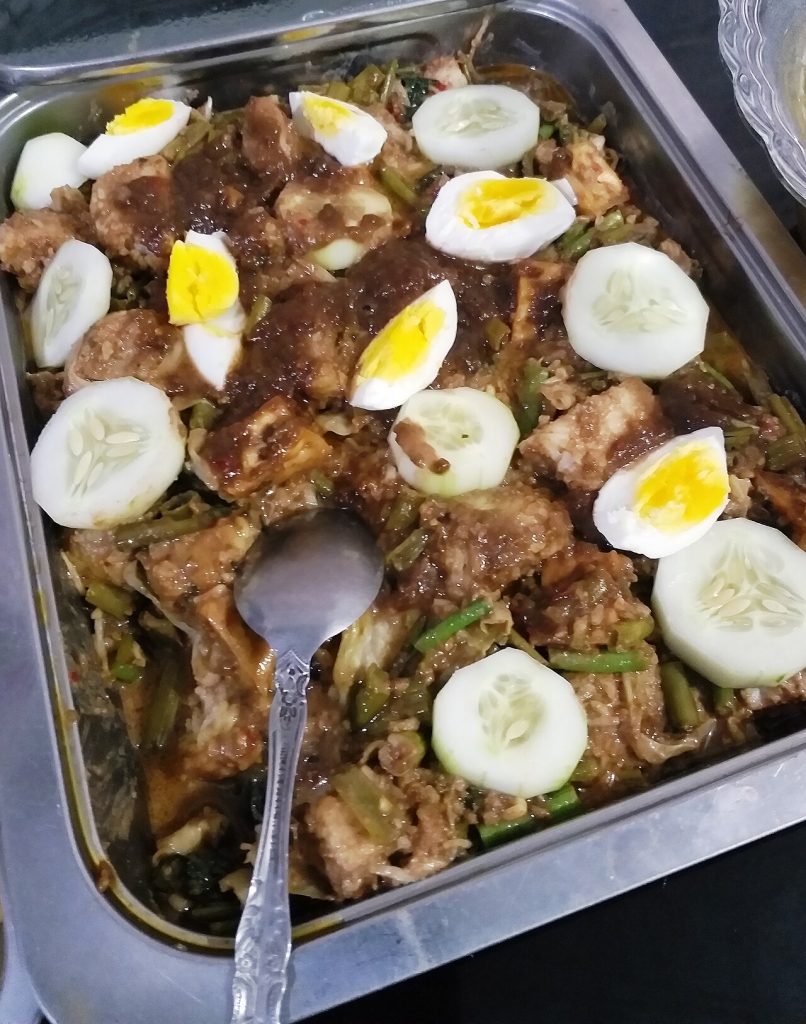
Gado‑Gado
A colorful salad of blanched vegetables, tofu, and boiled eggs, tossed in a peanut sauce. Gado‑gado showcases Indonesia’s knack for balancing sweet, salty, and nutty flavors in a single bite.
Satay
Marinated skewers of grilled meat served with a spicy peanut dip. Satay is a staple at street stalls and family gatherings alike, offering a quick protein punch wrapped in aromatic spices.
Practical Tips for Cooking Indonesian Cuisine at Home
- Stock a spice kit: Keep ground coriander, cumin, turmeric, and dried chilies handy to build authentic flavor bases.
- Use fresh aromatics: Slice lemongrass, kaffir lime leaves, and galangal just before cooking to maximize aroma.
- Master the sauce: A simple blend of sweet soy sauce, tamarind paste, and palm sugar can substitute for complex marinades in many dishes.
- Cook rice properly: Rinse rice until the water runs clear to avoid clumping, and let it steam for a fluffy finish.
- Experiment with tempeh: Marinate tempeh in soy sauce and lime juice before grilling for a protein‑rich vegetarian option.
Creative Ideas to Incorporate Indonesian Flavors into Everyday Meals
Don’t wait for a holiday to enjoy Indonesian cuisine. Try these simple twists:
- Spiced stir‑fry: Toss your favorite veggies with a splash of sweet soy sauce and a pinch of dried chilies.
- Peanut dressing: Blend peanut butter with lime juice, garlic, and a dash of fish sauce for a quick salad topping.
- Rice bowl variations: Top jasmine rice with grilled chicken, sautéed greens, and a drizzle of coconut curry.
- Breakfast satay: Marinate and grill thin slices of tofu or tempeh, then serve with a side of fresh cucumber and a spicy mayo.
Conclusion
Indonesian food marries bold flavors with wholesome ingredients, making it both a culinary adventure and a healthy choice. By understanding its benefits, exploring iconic dishes, and applying a few cooking hacks, you can bring a slice of Southeast Asia into your kitchen—no passport required.