
Introduction
Luxury food is more than just expensive ingredients; it’s an experience that balances tradition, technique, and presentation. When you venture beyond your comfort zone, small missteps can derail an otherwise spectacular dish. This guide pinpoints five frequent mistakes and offers actionable advice to help you deliver world‑class meals that respect culture, showcase skill, and honor the planet.
1. Misunderstanding Cultural Context
Why It Matters
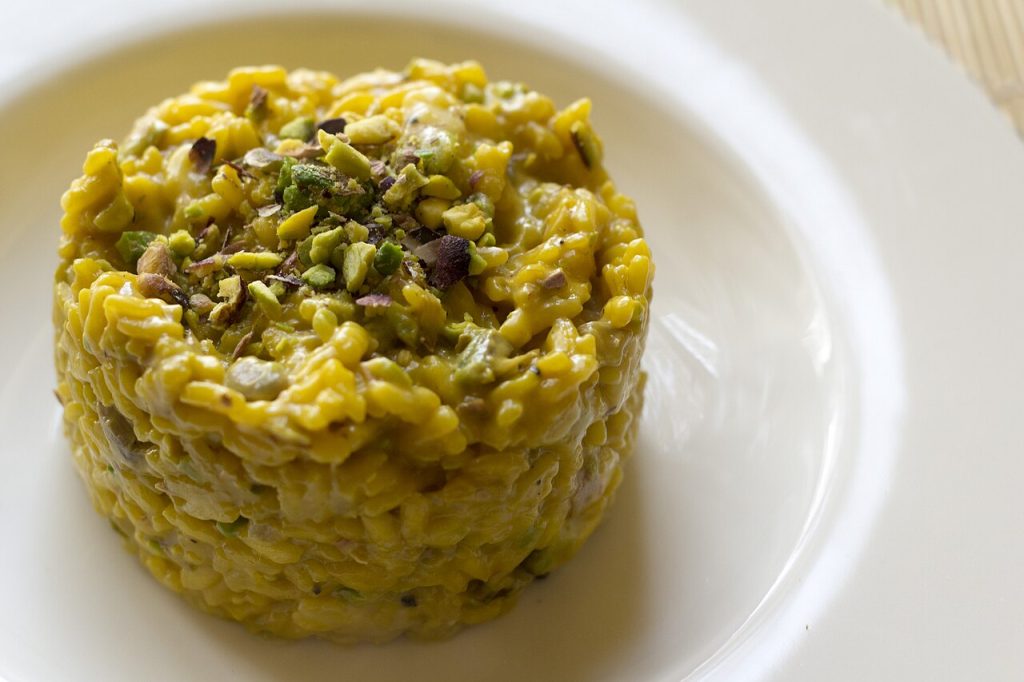
Every luxury dish carries a story. For example, the delicate balance of sweet and umami in a Japanese kobe beef roast reflects centuries of butchery mastery, while the vibrant saffron-infused risotto from Sicily honors Mediterranean traditions. Ignoring these narratives can result in a dish that feels inauthentic or disrespectful.
Common Signs
- Using a local ingredient in a way that’s not customary.
- Ignoring regional cooking times or temperatures.
- Overlooking the dish’s historical or ceremonial significance.
To avoid this, research the dish’s origins, consult reputable cookbooks, and, if possible, speak with a practitioner from that culture.
2. Using Inappropriate Ingredients
Ingredient Substitutions Gone Wrong
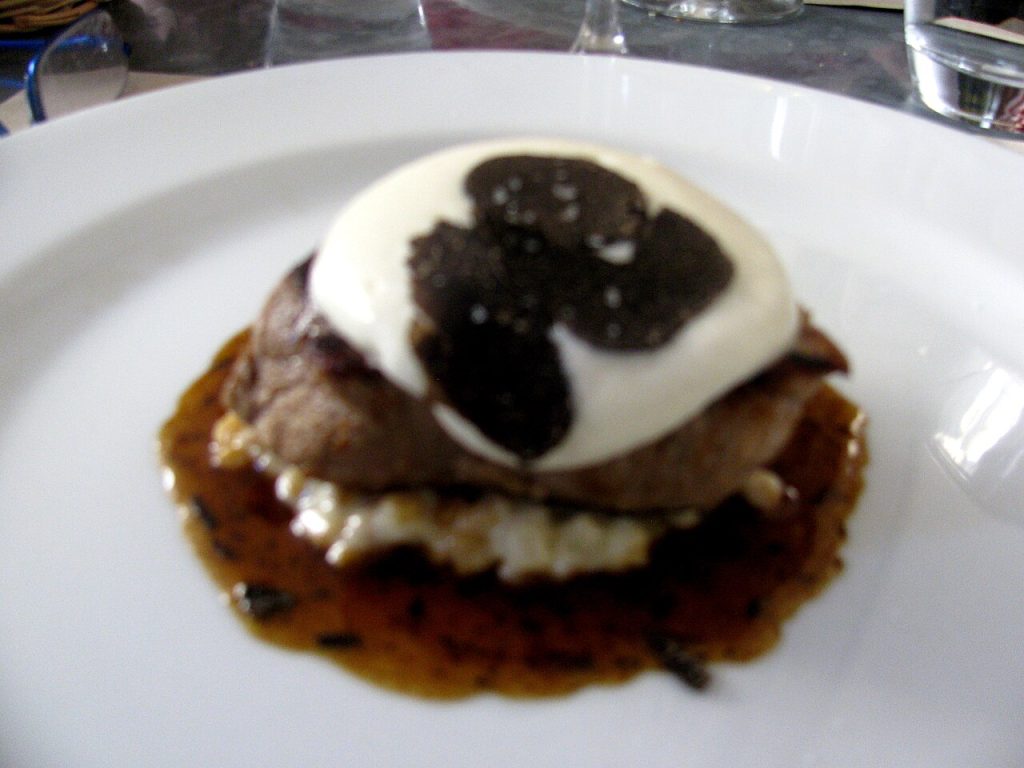
Luxury dishes often rely on specific textures and flavors. Substituting a cheaper alternative—such as using regular beef instead of tenderloin—can compromise the dish’s integrity. Even seemingly harmless swaps, like replacing fresh herbs with dried ones, alter aroma and taste.
Practical Tips
- Source authentic, high‑grade ingredients from trusted suppliers.
- When substitutions are unavoidable, choose ones that match the original in flavor profile and texture.
- Consider the environmental impact: opt for sustainably sourced seafood or responsibly raised meats.
Remember, luxury is as much about the story behind the ingredient as the final plate.
3. Overlooking Technique and Presentation
Precision Is Key
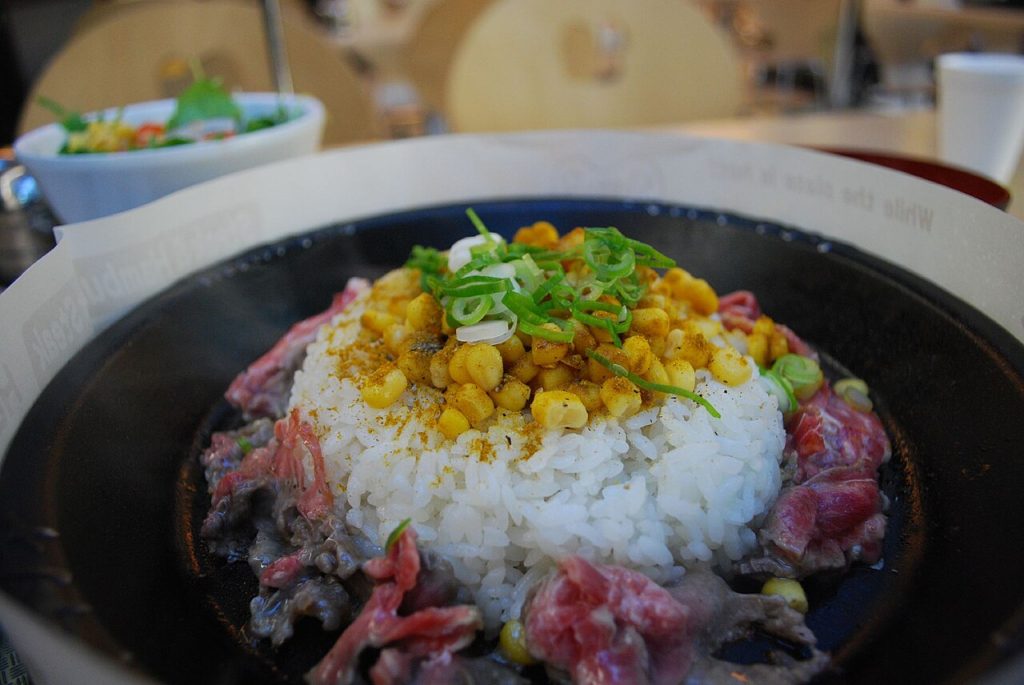
Technique dictates flavor. A poorly seared truffle risotto can become mushy, while an under‑cooked wagyu steak loses its buttery tenderness. Presentation transforms a good dish into an unforgettable experience. Luxury diners expect plates that are both visually stunning and thoughtfully composed.
Execution Checklist
- Master the specific cooking method (e.g., sous‑vide for steak, slow simmer for risotto).
- Use precise temperature controls—thermometers and timers are essential.
- Plate with intention: balance colors, textures, and negative space.
Practice makes perfect. Record your process and review each step to refine your technique.
4. Ignoring Seasonality and Sustainability
Freshness Drives Flavor
Luxury cuisine thrives on peak freshness. Using out‑of‑season produce can diminish flavor and increase waste. Moreover, unsustainable sourcing can tarnish a dish’s reputation.
How to Stay Seasonal
- Consult a seasonal calendar or local farmers’ market for the best ingredients.
- Adapt recipes to reflect what’s available, maintaining the dish’s core character.
- Prioritize local, organic, or regenerative options to reduce environmental impact.
Seasonal, sustainable ingredients not only taste better but also support the community and the planet.
5. Skipping Proper Pairing
The Role of Complementary Flavors
A luxury dish doesn’t exist in isolation; its success often hinges on the right wine, sauce, or side. Pairing a robust cured ham with a dry, high‑acid wine can enhance both components, whereas a mismatched pairing can overpower delicate flavors.
Pairing Guidelines
- Match intensity: light dishes pair with lighter wines; rich dishes with fuller ones.
- Consider flavor contrasts—sweet with savory, acidic with buttery—to create balance.
- Use palate cleansers (e.g., a splash of citrus or a mild cheese) to reset between courses.
Invest time in tasting and adjusting pairings—this elevates the entire dining experience.
Practical Tips for Elevating Your Luxury Kitchen
- Invest in Quality Tools: A good chef’s knife, a calibrated oven, and a reliable sous‑vide machine are non‑negotiable.
- Plan Your Menu: Outline courses, timing, and plating before cooking to avoid last‑minute stress.
- Document Your Process: Keep a kitchen journal—notes on ingredient quality, cooking times, and tasting observations help refine future attempts.
- Seek Feedback: Share your dishes with peers or mentors to gain fresh perspectives.
- Embrace Flexibility: When ingredients or circumstances change, adapt while staying true to the dish’s essence.
Conclusion
Mastering luxury foods worldwide demands respect for cultural nuance, commitment to ingredient authenticity, precision in technique, and mindfulness of sustainability. By avoiding these common pitfalls and applying the practical strategies outlined above, you’ll elevate your culinary creations from impressive to unforgettable. The next time you tackle a high‑end recipe from another culture, remember: true luxury lies not only in the ingredients but in the thoughtfulness, skill, and integrity you bring to the plate.