
Why Thai Food Should Be on Your Menu
Thai cuisine is celebrated for its perfect balance of sweet, sour, salty, and spicy flavors. Beyond its delicious taste, it offers a treasure trove of nutritional benefits. The bold use of herbs, spices, and fresh vegetables provides antioxidants, anti‑inflammatory compounds, and essential vitamins that support overall well‑being.
Key Health Benefits of Traditional Thai Ingredients
- Turmeric and Lemongrass: Rich in curcumin and citral, these aromatics reduce inflammation and promote heart health.
- Fresh Coconut Milk: Provides medium‑chain triglycerides that boost metabolism and offer a creamy texture without heavy cream.
- Ginger and Galangal: Natural digestive aids that soothe the stomach and enhance nutrient absorption.
- Fish Sauce: A source of umami and B vitamins, though use it sparingly to keep sodium levels moderate.
- Thai Basil and Cilantro: Packed with vitamins A, C, and K, they add bright flavor and support immune function.
Iconic Thai Dishes You Can Make at Home
1. Tom Yum Goong (Spicy Shrimp Soup)
This aromatic broth combines lemongrass, galangal, kaffir lime leaves, and chili flakes. The result is a refreshing, heat‑infused soup that’s low in calories but high in flavor.
2. Pad Thai
A stir‑fry of rice noodles, tamarind sauce, crushed peanuts, and fresh bean sprouts. Swap regular rice noodles for whole‑grain or spiralized veggies for a lighter version.
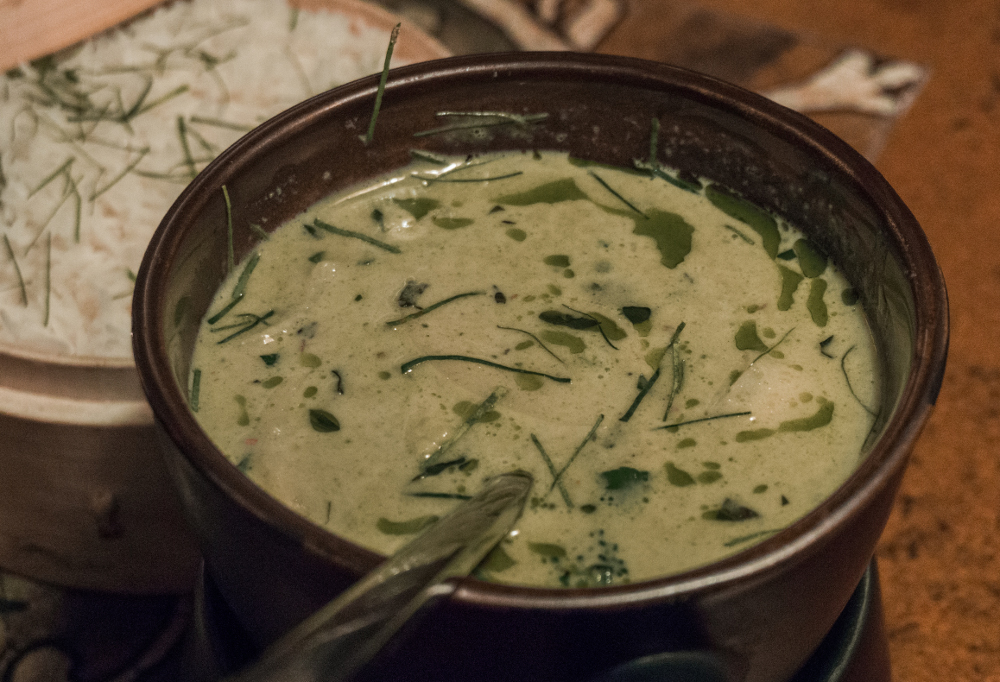
3. Green Curry with Chicken
Made from green curry paste, coconut milk, and an array of green vegetables. The vibrant green color indicates a high content of chlorophyll and antioxidants.

Creative Ways to Adapt Thai Flavors to Your Diet
- Low‑Sodium Options: Use a reduced‑sodium fish sauce or soy sauce, and increase fresh herbs to keep flavor.
- Veg‑Heavy Variants: Replace meat with tofu, tempeh, or extra vegetables like bell peppers and mushrooms.
- Gluten‑Free Grains: Substitute rice noodles with zucchini noodles or quinoa for a different texture.
- Sweet & Savory Balance: Add a splash of lime or a pinch of palm sugar to adjust sweetness without excess calories.
Practical Tips for Cooking Authentic Thai Food
- Buy Fresh Herbs: Thai basil, cilantro, and kaffir lime leaves can be found in Asian markets or frozen in the produce section.
- Use a Mortar and Pestle: For the freshest aromatics, grind chili, garlic, and shallots by hand before adding to sauces.
- Layer Flavors: Start with aromatics (ginger, lemongrass), then add liquids, proteins, and finish with fresh herbs and lime.
- Keep It Simple: Don’t overload with too many sauces—balance is key to authentic Thai taste.
Conclusion: Bring Thai Wellness and Flavor to Your Table
Thai cuisine offers more than just bold taste; it delivers a spectrum of health benefits through its diverse ingredients. Whether you’re recreating classic dishes or experimenting with modern twists, the principles of balance and freshness remain the same. Embrace the herbs, spices, and bright colors, and let Thai food become a vibrant part of your healthy lifestyle.