
Japanese cuisine offers a world of flavors, from the delicate bite of sashimi to the comforting warmth of a bowl of ramen. Yet the sheer variety can feel overwhelming, especially if you’re new to the culture or dining outside Japan. This guide breaks down the essential factors to consider when selecting Japanese dishes, helping you enjoy authentic taste without the guesswork.
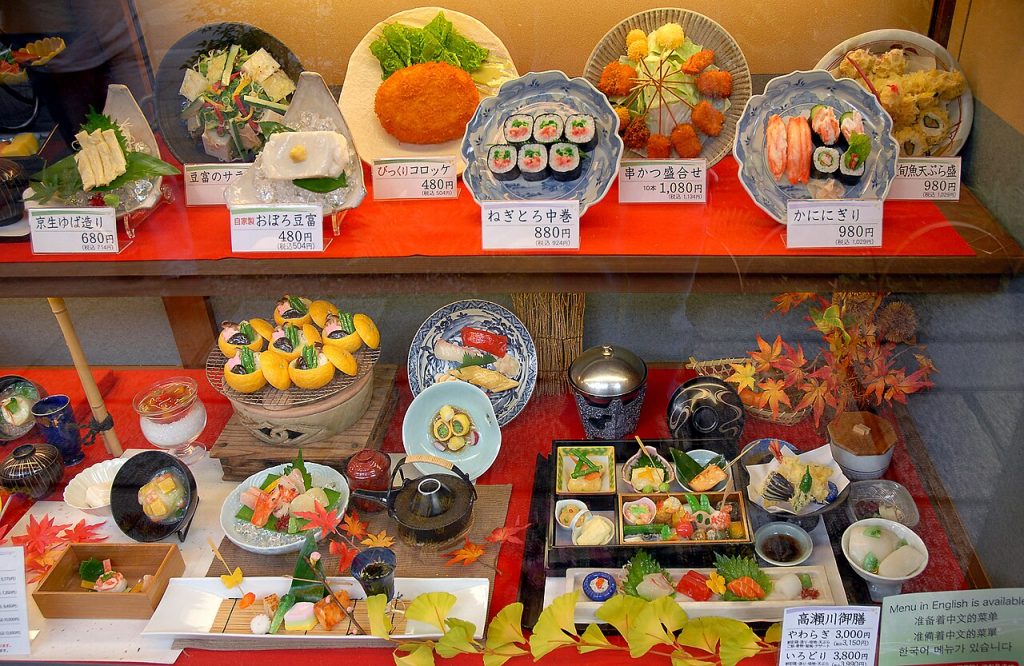
Understanding Japan’s Regional Food Cultures
Japan’s culinary landscape is shaped by geography, climate, and local traditions. Recognising these regional differences can guide you toward dishes that best match your palate and the occasion.
- Kansai (Osaka, Kyoto): Known for lighter, subtly sweet flavors. Expect dishes like takoyaki (octopus balls) and kushikatsu (deep‑fried skewers).
- Kanto (Tokyo, Yokohama): Prefers richer, saltier profiles. Classic examples include monjayaki and a heartier style of ramen with soy‑based broth.
- Hokkaido: Famous for dairy and seafood. Look for buttery corn, fresh crab, and miso ramen with a thick, savory broth.
- Kyushu: Offers bold, spicy notes, especially in pork‑centric dishes like tonkotsu ramen and shirokuma (soft‑serve ice cream with sweet red beans).
When you know the region a restaurant or dish originates from, you can anticipate the flavor balance and decide if it aligns with your taste preferences.
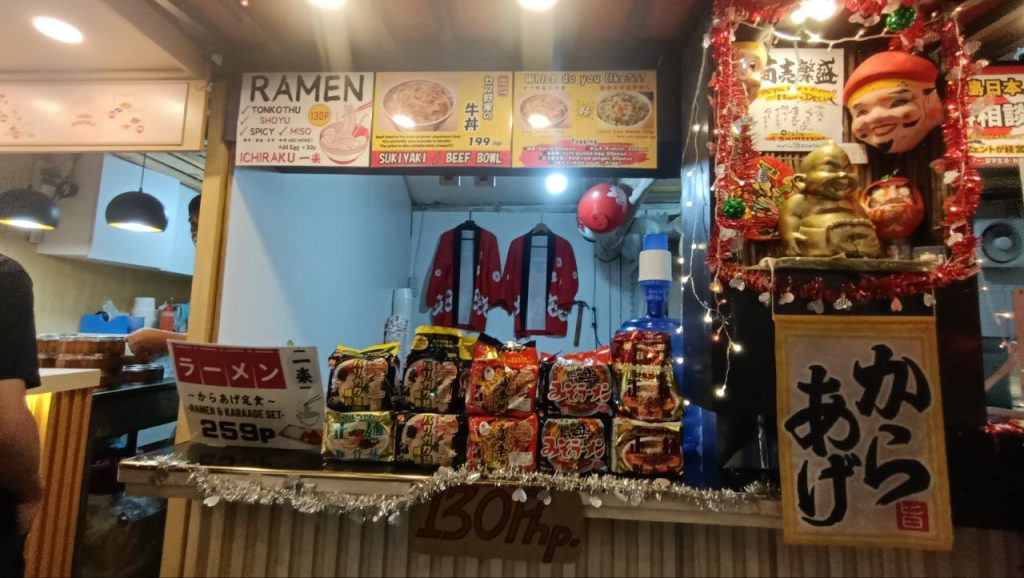
Key Ingredients That Define Authenticity
Authentic Japanese food relies on a handful of staple ingredients. Spotting these can signal quality and tradition.
- Rice: Short‑grain, slightly sticky rice is the backbone of sushi, donburi, and onigiri. Premium establishments often serve rice that has been washed and rested properly.
- Dashi: A clear broth made from kombu (kelp) and katsuobushi (dried bonito flakes). It forms the base for miso soup, noodle broths, and many simmered dishes.
- Soy sauce: Look for naturally brewed soy sauce, which offers deeper umami compared to chemically produced versions.
- Miso: Fermented soybean paste that varies from sweet white (shiro miso) to robust red (aka miso). The type used tells you about the dish’s intensity.
- Seasonal produce: Japanese chefs prioritize seasonality. Fresh spring asparagus, summer watermelon, or autumn mushrooms indicate a menu that respects the rhythm of nature.
When a dish lists these components prominently, it’s a good sign that the chef is adhering to traditional methods.
Reading Menus and Ordering with Confidence
Japanese menus can be intimidating, especially when they are written primarily in kanji. Here are strategies to decode them quickly:
- Identify the category: Menus are often divided into sections such as sushi, tempura, grilled, and ramen. Choose a category that matches the dining experience you want.
- Look for familiar words: English loanwords (e.g., “tempura”, “udon”, “karaage”) are usually written in katakana. Spotting them helps you locate dishes you already know.
- Check for price range: A single sushi piece may cost ¥200–¥400, while a full set can exceed ¥3,000. Use price as a proxy for portion size and ingredient quality.
- Ask the staff: Simple questions like “What’s the chef’s recommendation today?” or “Is this dish seasonal?” are welcomed and often result in personalized suggestions.
For non‑Japanese speakers, many restaurants now provide QR code menus with English translations. If not, a translation app can help you scan the text and get a rough idea of ingredients.
Pairing Food with Drinks
Japanese cuisine is designed to be enjoyed alongside thoughtfully chosen beverages. Here are classic pairings that enhance both the food and the drink:
- Sake: Light, aromatic sake (junmai ginjo) pairs well with delicate sashimi, while richer, fuller-bodied sake (honjozo) complements grilled fish and tempura.
- Beer: Japanese lagers such as Asahi or Sapporo cut through the oiliness of fried dishes like karaage or okonomiyaki.
- Green tea: A warm cup of sencha balances the salty umami of soy‑based sauces, making it a soothing accompaniment to noodle soups.
- Whisky: Japanese malt whisky, with its subtle smoky notes, pairs surprisingly well with aged pork belly (buta kakuni) or caramelized miso desserts.
When in doubt, let the server recommend a local pairing; Japanese hospitality often includes a thoughtful drink suggestion.
Practical Tips for Ordering in Restaurants
Even if you’ve done your homework, dining out can still present surprises. Keep these practical tips in mind to make the experience smooth:
- Start with a small plate: Ordering a single piece of sushi or a small bowl of edamame lets you gauge freshness before committing to larger portions.
- Respect the order of courses: In formal settings, dishes are usually served from light to heavy. Follow the rhythm—sashimi first, then grilled items, and finish with soup or rice.
- Use proper etiquette: Dip sushi lightly into soy sauce (fish side down), never over‑soak. When eating ramen, slurp the noodles; it’s considered polite and helps cool the broth.
- Mind the allergies: Many sauces contain soy, wheat, or fish. If you have dietary restrictions, clearly state them in Japanese if possible—e.g., “watashi wa shiroi niku ga taberaremasen” (I can’t eat white meat).
- Check the bill: Japanese restaurants often add a small service charge. If you’re unsure about a charge, ask the staff before paying.
These habits not only show respect for the cuisine but also ensure you leave with a positive dining experience.
Conclusion
Choosing the right Japanese food is less about memorising every dish name and more about understanding the cultural context, recognizing key ingredients, and feeling comfortable with the menu. By applying the regional insights, ingredient checks, and ordering strategies outlined above, you’ll be able to navigate any Japanese restaurant with confidence—whether you’re in a bustling Tokyo izakaya or a neighborhood sushi bar abroad. Embrace the flavors, respect the traditions, and most importantly, enjoy the journey of discovery that each bite offers.