
Introduction
Chinese cuisine is one of the world’s most diverse culinary traditions, spanning centuries of history and a landscape as varied as its flavors. For newcomers, the sheer variety of dishes, ingredients, and dining customs can feel overwhelming. This guide breaks down the basics—regional styles, key ingredients, popular dishes, and practical tips—so you can explore Chinese food with confidence.
Understanding the Five Culinary Regions
China’s massive size has given rise to distinct regional cuisines, each with its own philosophy and signature ingredients. The five most celebrated traditions are:
- Shandong (Lu) Cuisine: Known for fresh seafood, simple seasoning, and crisp textures. Think of sweet‑and‑sour carp and scallion pancakes.
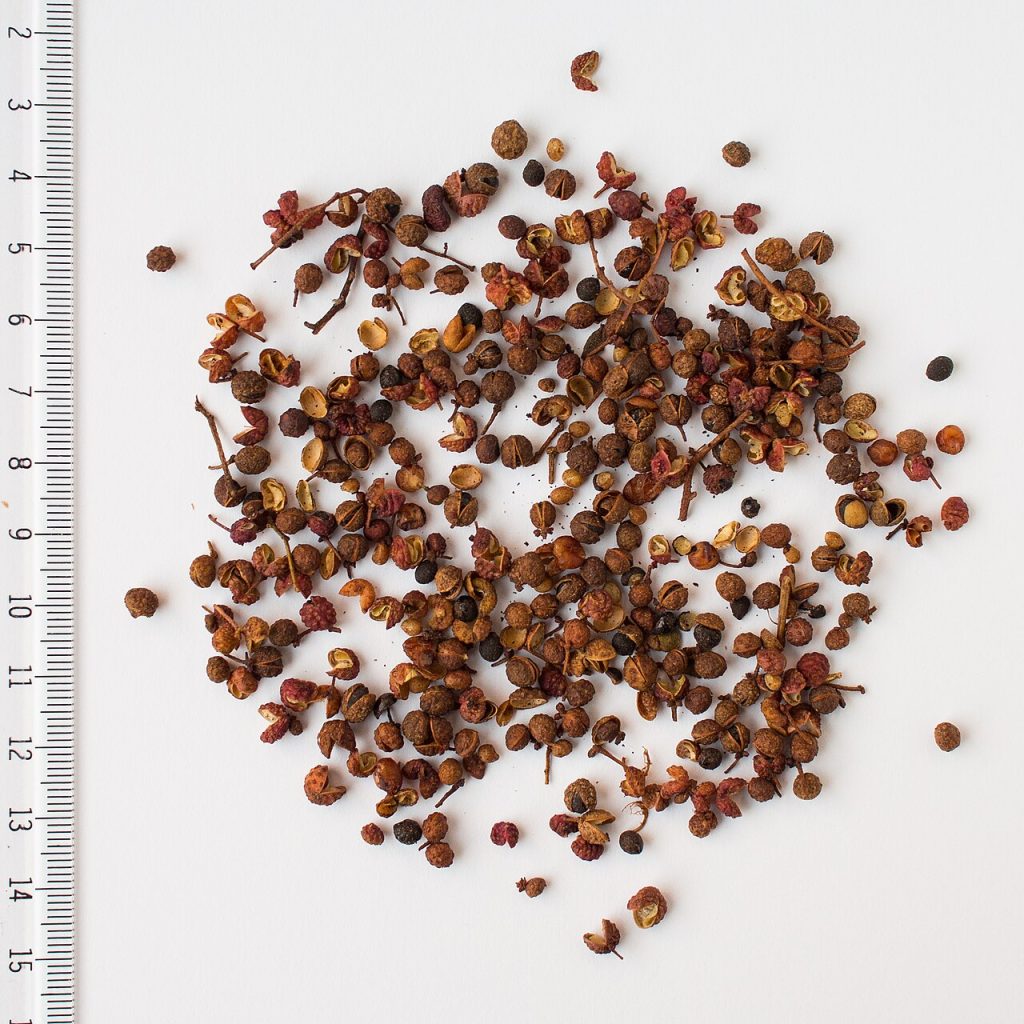
- Sichuan (Chuan) Cuisine: Famous for bold, spicy, and numbing flavors using Sichuan peppercorns and chilies. Signature dishes include mapo tofu and kung pao chicken.
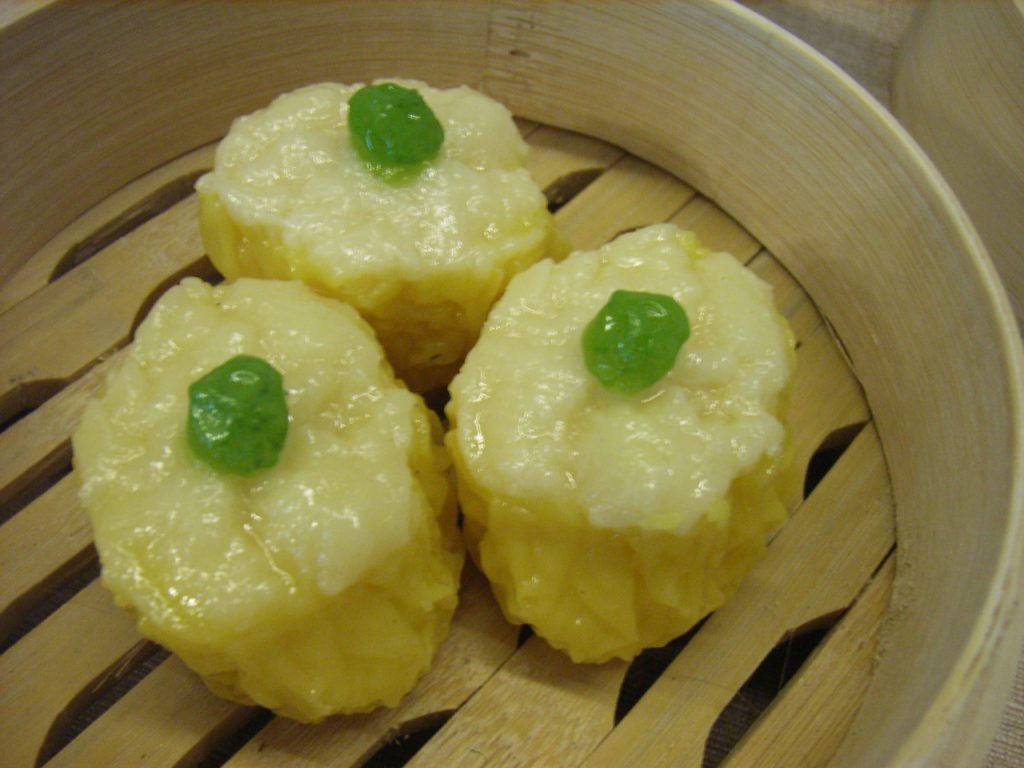
- Cantonese (Yue) Cuisine: Emphasizes freshness and subtle seasoning, often steamed or quickly stir‑fried. Classic items are dim sum, char siu, and steamed fish.
- Jiangsu (Su) Cuisine: Features delicate, slightly sweet flavors and meticulous knife work. Dishes like sweet‑and‑sour Mandarin fish and braised pork belly showcase its elegance.
- Zhejiang (Zhe) Cuisine: Highlights light, fresh tastes with a focus on seasonal vegetables and seafood. Notable dishes include West Lake fish in vinegar gravy and dongpo pork.
While many restaurants outside China blend these traditions, recognizing the regional roots helps you choose dishes that match your palate.
Core Ingredients and Flavor Foundations
Regardless of region, Chinese cooking relies on a handful of staple ingredients that create its characteristic taste profile:
- Soy sauce – adds salty umami; used in marinades, stir‑fries, and dipping sauces.
- Shaoxing wine – a fermented rice wine that deepens flavor in braises and sauces.
- Vinegar – typically black rice vinegar, providing a mild acidity to balance rich dishes.
- Ginger & garlic – the aromatic duo that forms the base of most savory dishes.
- Scallions – used fresh or fried for a sharp, onion‑like finish.
- Sesame oil – a finishing oil that adds nutty aroma; a little goes a long way.
- Five‑spice powder – a blend of star anise, cloves, Chinese cinnamon, Sichuan pepper, and fennel seed, giving a warm, aromatic note.
Understanding these ingredients lets you decode menu descriptions and even replicate favorite dishes at home.
Must‑Try Dishes for First‑Timers
When you’re new to Chinese food, start with dishes that showcase the cuisine’s breadth without overwhelming the palate.
Dim Sum (Cantonese)
Small, bite‑size plates served in bamboo steamers. Popular items include shrimp har gow, pork siu mai, and custard‑filled egg tarts. Dim sum is ideal for tasting a variety of flavors in one sitting.
Kung Pao Chicken (Sichuan)
A stir‑fried chicken dish with peanuts, dried chilies, and a savory‑sweet sauce. Adjust the heat level by asking for “mild” or “extra spicy.”
Beef and Broccoli (American‑Chinese)
A familiar, comforting plate featuring tender beef slices, crisp broccoli, and a light soy‑based sauce. It’s a safe entry point for those wary of strong spices.
Mapo Tofu (Sichuan)
Silken tofu simmered in a fiery sauce of fermented bean paste, chili oil, and Sichuan peppercorns. The dish offers the signature “numbing” sensation (má là) that defines Sichuan cuisine.
Steamed Fish with Ginger & Scallions (Cantonese)
Whole fish (often sea bass) gently steamed and topped with julienned ginger, scallions, and a splash of hot oil. The result is delicate, aromatic, and a showcase of freshness.
Dan Dan Noodles (Sichuan)
Thin wheat noodles tossed in a spicy, nutty sauce with minced pork, preserved vegetables, and a drizzle of chili oil. A comforting street‑food classic.
How to Order and Eat Like a Local
Chinese dining etiquette varies by region but some universal tips apply:
- Share, don’t individualize: Dishes are meant to be placed in the center and shared. Order a mix of proteins, vegetables, and starches.
- Use the communal spoon for soups and the serving chopsticks for picking up food from shared plates.
- Don’t waste food: It’s polite to take only what you can finish. Small, frequent refills are preferred over large, unfinished plates.
- Ask for “less oil” or “less salt” if you’re watching your intake; many restaurants accommodate these requests.
- Pay attention to the order: In a traditional banquet, lighter dishes precede richer ones, ending with sweet desserts.
Practical Tips for Home Cooking
Recreating Chinese flavors at home is easier than you think. Follow these guidelines to get authentic results:
- Prep everything before you start. Chinese stir‑fries cook in seconds, so having ingredients sliced, measured, and ready prevents overcooking.
- Invest in a wok. Its high, sloped sides allow for rapid, even heat distribution, essential for the “wok‑hei” (breath of the wok) flavor.
- Control heat. Use high heat for quick sears, then lower it for sauces to avoid burning.
- Balance flavors. Aim for a harmony of salty, sweet, sour, bitter, and umami. A quick taste test and a splash of vinegar or sugar can fine‑tune the dish.
- Use a splash of Shaoxing wine in marinades and sauces for depth; if unavailable, a dry sherry works as a substitute.
- Don’t over‑crowd the wok. Cook in batches if necessary to maintain a crisp texture.
Conclusion
Chinese cuisine offers an endless adventure of flavors, textures, and cultural stories. By familiarizing yourself with the major regional styles, core ingredients, and a handful of beginner‑friendly dishes, you’ll feel more confident whether you’re ordering at a bustling dim sum house or cooking a quick stir‑fry at home. Remember, the best way to learn is to taste, experiment, and enjoy the rich culinary heritage that Chinese food provides.