Introduction
Indonesian food is a tapestry of aromatic spices, fresh tropical ingredients, and centuries of cultural exchange. Whether you’re a foodie planning a trip or simply curious about dishes from the archipelago, this guide will give you a clear, practical roadmap to explore Indonesia’s culinary wonders.
Overview of Indonesian Cuisine
Indonesia’s culinary identity is shaped by its geography—over 17,000 islands—and its diverse ethnic groups. The result is a menu that ranges from fiery curries to fragrant stews, from sweet desserts to savory street snacks.
Regional Flavor Profiles
- Sumatra – Hearty, spicy, and heavily spiced with nutmeg, cloves, and galangal.
- Java – Rich, sweet, and often flavored with coconut milk and palm sugar.
- Sulawesi – Influenced by Malay cooking, featuring seafood and coconut curries.
- Papua – Fresh, with a focus on wild greens, river fish, and tropical fruits.
Key Ingredients to Know
Familiarizing yourself with these staples will help you recognize dishes and understand why they taste so unique.
- Spices – Turmeric, galangal, lemongrass, kaffir lime leaves, and cumin.
- Condiments – Sambal (chili paste), kecap manis (sweet soy sauce), and belacan (shrimp paste).
- Base ingredients – Coconut milk, palm sugar, rice, noodles, and a variety of fresh herbs.
- Proteins – Chicken, beef, pork, fish, shrimp, and tempeh.
Must‑Try Dishes for Beginners
Staple Rice Dishes
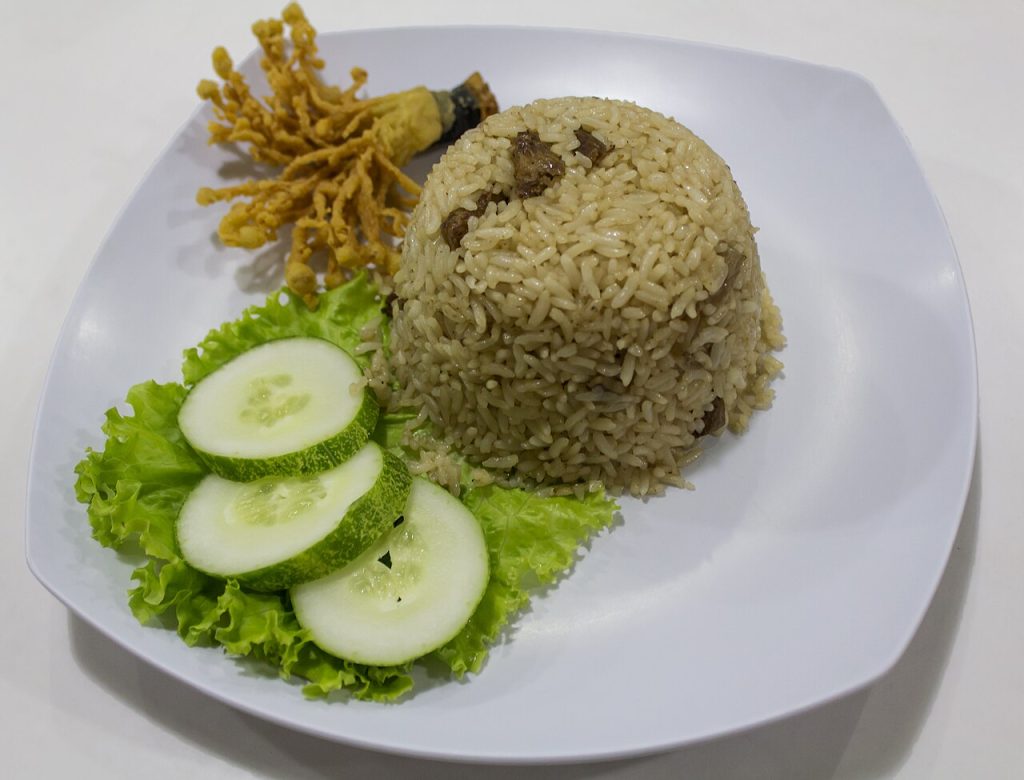
- Nasi Goreng – Indonesian fried rice with garlic, shallots, and a fried egg on top.
- Nasi Padang – A buffet of small, flavorful dishes served with rice, originating from Padang, West Sumatra.
- Nasi Campur – Mixed rice with a selection of meats, vegetables, and sambal.
Signature Curries
- Rendang – Slow‑cooked beef in coconut milk and a complex spice blend.
- Gado‑Gado – A salad of boiled vegetables topped with peanut sauce.
- Ayam Betutu – Roasted chicken stuffed with spices, wrapped in banana leaves.
Street Food Staples
- Satay – Grilled skewered meat served with peanut sauce.
- Bakso – Meatball soup made with beef or fish.
- Martabak – Savory or sweet stuffed pancake, popular in Java.
How to Eat Like a Local
Indonesian meals often involve communal eating. Here’s how you can adapt:
- Share the plate – Order a variety of dishes and share with friends or family.
- Use your hands – Many Indonesians eat with their hands, especially rice and sambal.
- Balance the heat – Start with milder dishes; you can add sambal to control spiciness.
- Respect the order – Traditional meals often begin with a soup or broth, followed by the main dishes.
Practical Tips for Beginners
Shopping for Ingredients
Local markets (pasar) are the best places to find fresh produce, spices, and condiments. Look for:
- Fresh herbs like daun salam (bay leaf) and jeruk nipis (lime).
- Whole spices for grinding (e.g., coriander seeds, cumin).
- High‑quality palm sugar and coconut milk.
Cooking Basics
Master a few core techniques:
- Tempering – Briefly fry spices in oil to release aromas.
- Balancing flavors – Combine salty, sweet, sour, and spicy for harmony.
- Rice etiquette – Keep rice warm in a rice cooker; serve it on a small plate.
Dining Etiquette
When dining out, remember:
- Use the right utensils: a fork for cutting, a spoon for scooping.
- Accept small portions; it’s common to share.
- Show appreciation with a nod or a simple “terima kasih.”

Conclusion
Indonesian cuisine offers a delightful blend of flavors that can be both comforting and adventurous. By understanding the core ingredients, regional variations, and basic dining customs, you’ll be ready to explore the archipelago’s culinary landscape with confidence. Start with familiar dishes, experiment with spices, and soon you’ll find yourself craving more of this vibrant, aromatic cuisine.