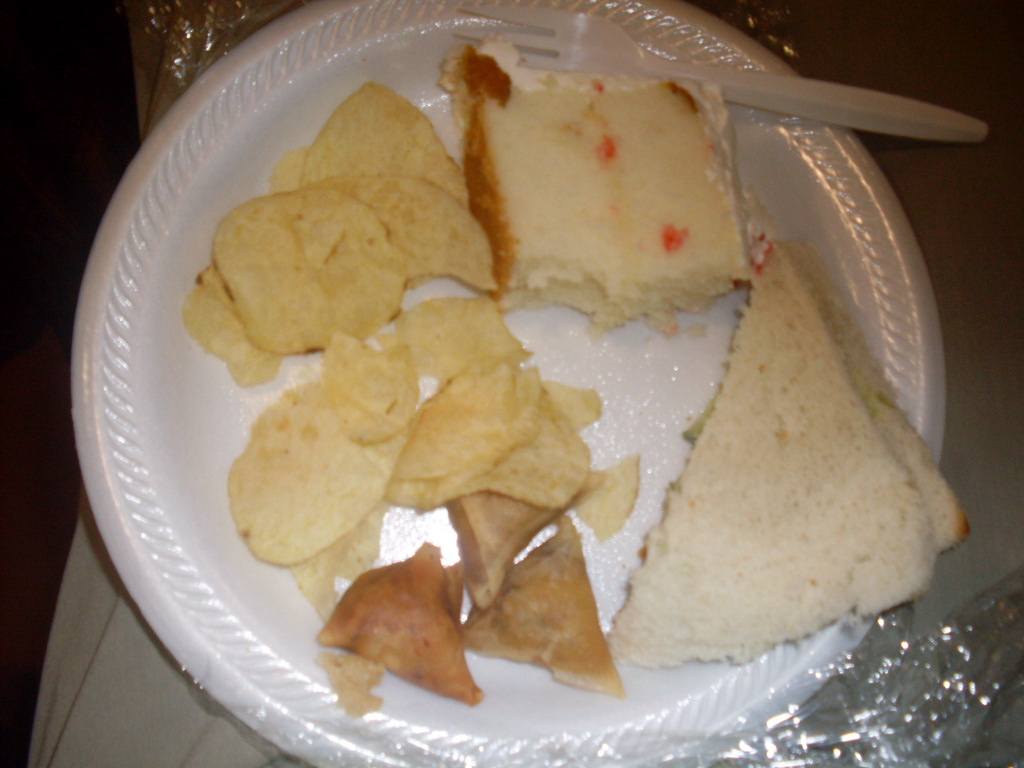
Everyday Inspiration From Street Food is a journey through the bustling markets, neon‑lit stalls, and hidden corners where food is made with passion and ingenuity. These humble kitchens offer more than just a quick bite; they are laboratories of flavor, culture, and innovation that can ignite your own culinary adventures.
The Global Pulse of Street Food
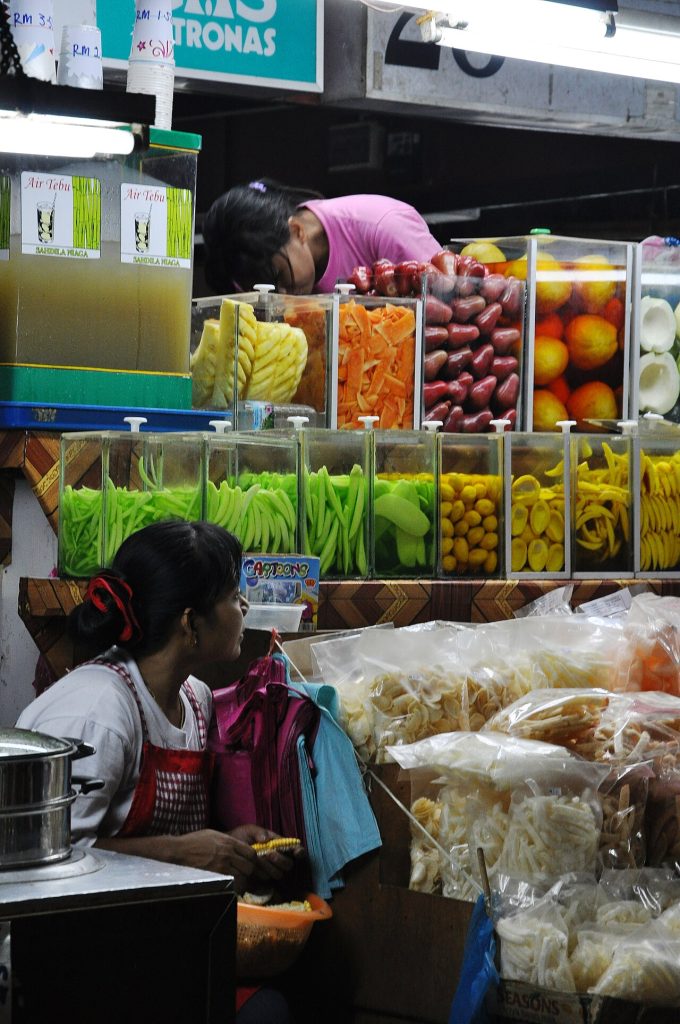
Street food is the heartbeat of cities around the world. From the smoky grills of Mexico City to the aromatic stalls of Bangkok, each region offers a unique blend of ingredients, techniques, and stories. The diversity of street food reflects the history, geography, and social fabric of its community, making it a living archive of culinary evolution.
Why Street Food Sparks Creativity
There are several reasons why street food inspires chefs and home cooks alike. First, it thrives on resourcefulness; vendors often create complex flavors using limited tools and fresh, local produce. Second, it encourages experimentation; the fast pace of service pushes cooks to try new combinations quickly. Third, it celebrates authenticity; the dishes are rooted in tradition yet constantly evolving to meet modern tastes.
Common Street Food Staples That Inspire
Below are some iconic street foods that can serve as springboards for your own creations:
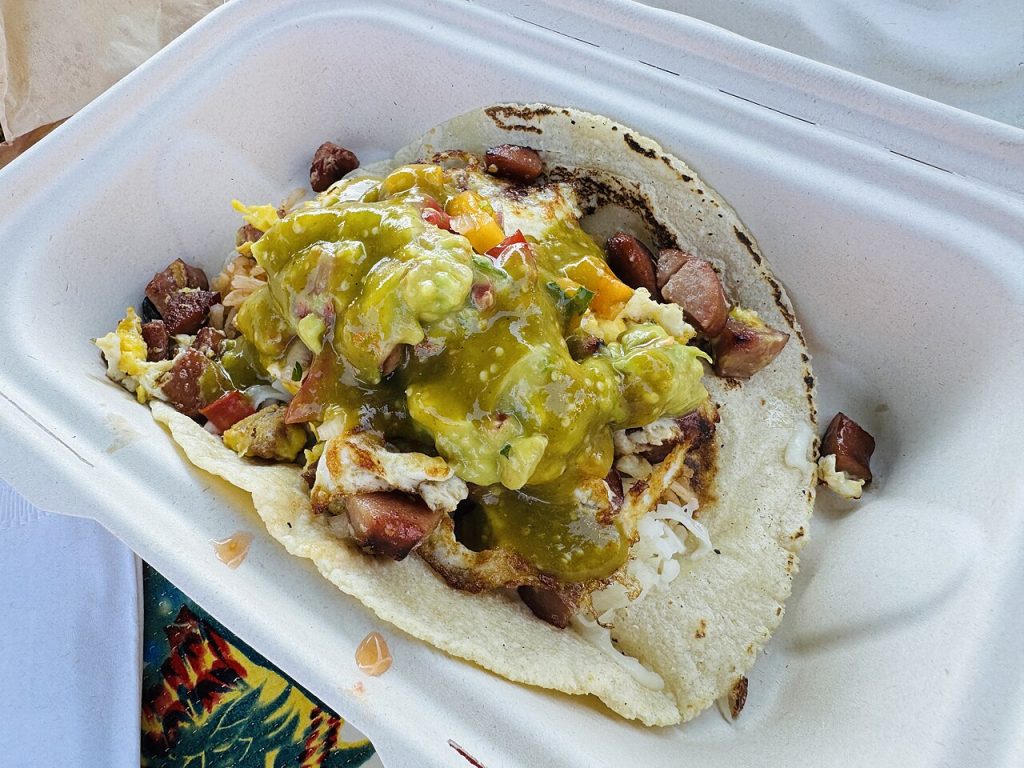
- Mexican Tacos – Soft corn tortillas, grilled meats, fresh salsa, and a squeeze of lime.
- Thai Pad Thai – Stir‑fried rice noodles, tamarind sauce, peanuts, and bean sprouts.
- Indian Samosas – Crispy pastry filled with spiced potatoes, peas, and sometimes meat.
- Japanese Takoyaki – Ball‑shaped batter with octopus, pickled ginger, and bonito flakes.
- Middle Eastern Falafel – Deep‑fried chickpea patties served with tahini and fresh vegetables.
How to Bring Street Food Inspiration Into Your Kitchen
Adapting street food techniques to a home setting is easier than you might think. Here are practical steps to infuse your cooking with that vibrant street vibe:
1. Embrace Fresh, Local Ingredients
Street vendors source ingredients daily, ensuring maximum flavor. Visit farmers markets or local produce stands to find the freshest options for your dishes.
2. Simplify Complex Flavors
Many street foods rely on a few key spices or sauces that deliver depth. Experiment with small batches of homemade spice blends or sauces to replicate that punch.
3. Use Quick Cooking Methods
Grilling, stir‑frying, and steaming are staples in street kitchens. These techniques preserve nutrients and create bold textures without long cooking times.
4. Plate with Purpose
Street food often balances color, texture, and aroma on a single plate. Think about how you can arrange ingredients to create visual appeal and a harmonious mouthfeel.
Practical Tips for Experimenting with Street Flavors
When you first dive into street food-inspired cooking, keep these guidelines in mind:
- Start Small – Test one new spice blend or sauce before scaling up.
- Balance Heat – Many street dishes are spicy; use citrus or yogurt to temper the heat.
- Layer Flavors – Build depth by adding ingredients at different stages of cooking.
- Learn the Basics of Pickling – Pickled vegetables add crunch and acidity, a common element in street fare.
- Experiment with Textures – Combine crispy, chewy, and creamy elements for a dynamic eating experience.
Conclusion
Street food is more than a quick snack; it is a source of endless inspiration for anyone who loves to cook. By studying its techniques, flavors, and cultural significance, you can create dishes that are both authentic and innovative. Whether you are a seasoned chef or a home cook, let the vibrant energy of street food guide your next culinary adventure.