
Choosing a traditional dish is more than just picking a meal; it is an invitation to explore a culture, a history, and a community. When you decide to taste a dish that has been passed down through generations, you are engaging with stories that have shaped a people’s identity. This guide will walk you through the essential steps to choose a traditional food that is genuine, respectful, and delicious.

Understanding Traditional Food
Traditional food is defined by its roots in a specific region, community, or cultural group. It is often tied to local ingredients, seasonal availability, and time‑honored cooking techniques. When you are looking for a traditional dish, ask yourself: Is this food tied to a particular place? Does it use ingredients that are native to that area? Is the preparation method rooted in history?
These questions help you distinguish between a modern fusion dish that borrows a name and a dish that truly represents a culture’s culinary heritage.
Key Factors to Consider
When evaluating a traditional dish, keep the following factors in mind:
- Authenticity – Does the recipe follow the original method and ingredients?
- Ingredient Quality – Are the components fresh, seasonal, and sourced locally?
- Preparation Technique – Is the cooking method traditional (e. g., slow roasting, fermentation, steaming)?
- Presentation – Does the dish reflect cultural aesthetics and serving traditions?
- Story – Is there a narrative behind the dish that connects to its people?
Regional Authenticity
Every region has its own culinary fingerprint. For example, the slow-cooked lamb in a Mediterranean village carries a different flavor profile than a quick stir-fry of beef in an East Asian city. To ensure regional authenticity:
- Research the dish’s origin and the typical ingredients used in that area.
- Look for local producers or markets that supply the same staples.
- Ask the chef or vendor about the dish’s history and how it has evolved.
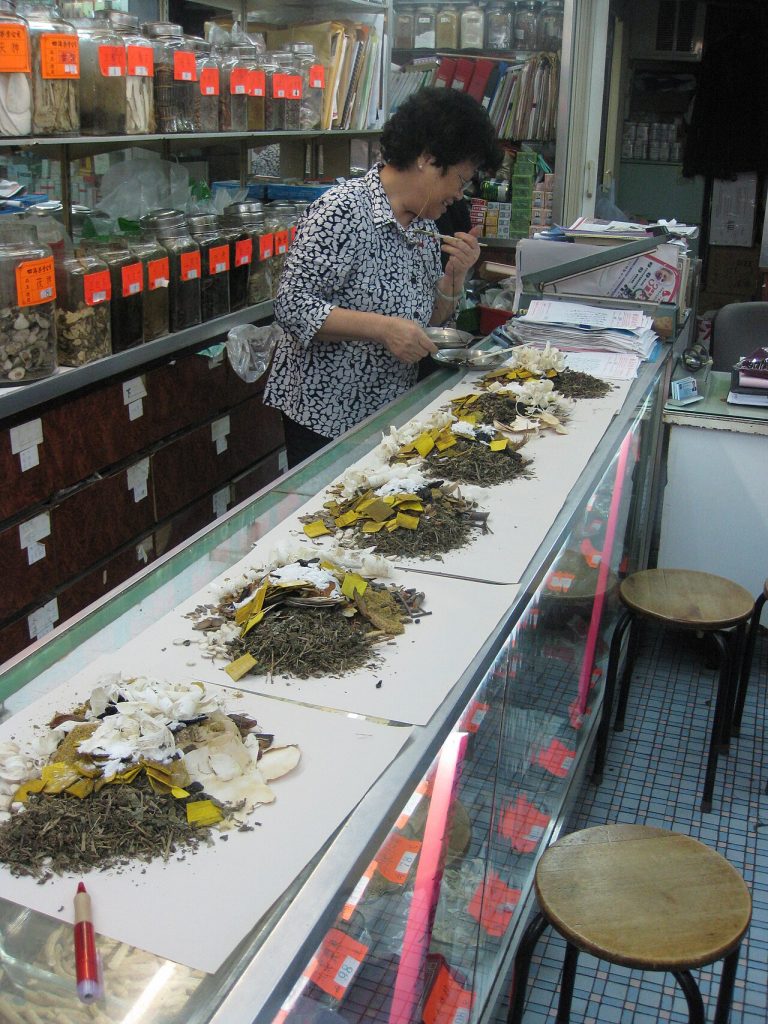
When you visit a local market, you can often find the same spices, grains, or meats that are integral to the dish’s identity.
Ingredient Quality
Ingredient quality is the backbone of any traditional dish. Freshness, seasonality, and sourcing practices all influence the final taste. Here are practical tips:
- Choose organic or locally grown produce when possible.
- Opt for free-range or pasture-raised meats for richer flavor.
- Seek out heirloom varieties of grains or legumes that are specific to the region.
When you taste a dish, notice how the ingredients shine individually. A well-made traditional dish will let each component speak for itself.
Cultural Significance
Food is a cultural artifact. Understanding its significance adds depth to your experience. Consider:
- Is the dish associated with festivals or rituals?
- Does it have a symbolic meaning (e. g., prosperity, unity)?
- How is it traditionally served (family style, individual plates, communal bowls)?
Engaging with these aspects turns a simple meal into a cultural immersion.

Practical Tips for Choosing
Here are actionable steps you can take when selecting a traditional dish:
- Ask for a menu that explains the dish’s background.
- Request to see the ingredients or the cooking process.
- Speak with the chef about the dish’s origin and any regional variations.
- Check for certifications such as organic, fair trade, or local farm labels.
- Read reviews that mention authenticity and ingredient quality.
When dining out, observe how the dish is presented. Traditional foods often come with specific garnishes or accompaniments that enhance the experience.
Conclusion
Choosing the right traditional food is a journey that blends curiosity, respect, and a love for flavor. By focusing on authenticity, ingredient quality, regional roots, and cultural significance, you can ensure that each bite is a genuine celebration of heritage. Whether you’re traveling abroad or exploring your own community’s roots, these guidelines will help you savor the true essence of traditional cuisine.