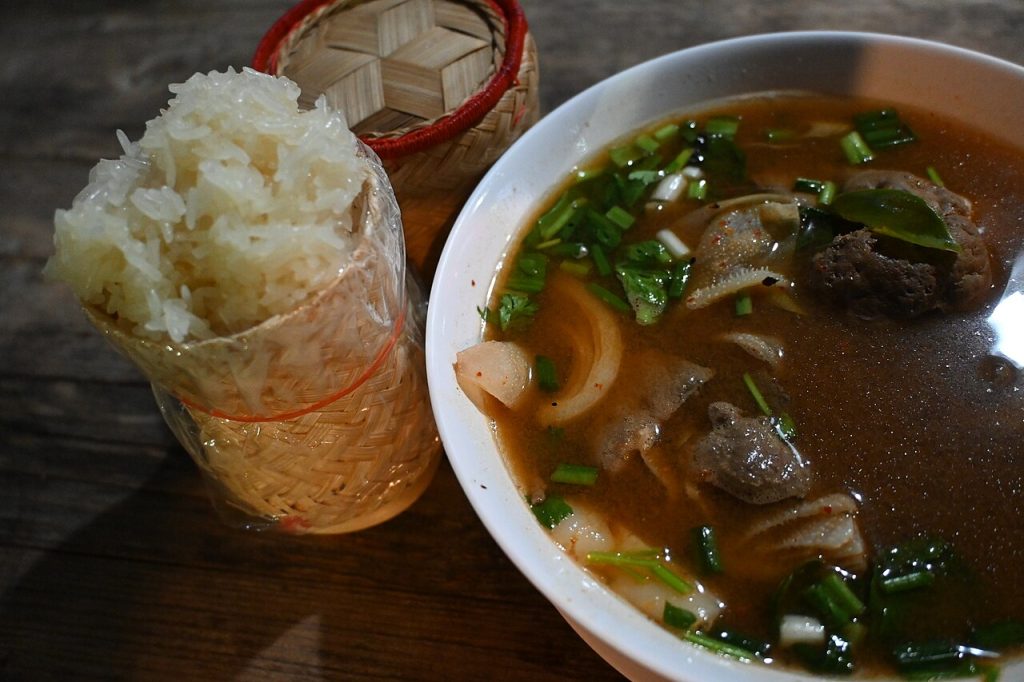
Choosing a traditional dish can feel like navigating a maze of flavors, ingredients, and cultural stories. Whether you are planning a dinner party, traveling abroad, or simply craving something new, understanding what makes a dish truly traditional helps you appreciate its depth and authenticity. This guide walks you through the key steps to identify, evaluate, and enjoy traditional foods from around the world.
Understanding Tradition in Food
Tradition in cuisine is more than a recipe; it is a living narrative that reflects geography, history, and community values. A dish is considered traditional when it has been passed down through generations, uses locally sourced ingredients, and follows established preparation methods. Recognizing these elements helps you differentiate between modern twists and genuine heritage meals.
Research the Dish’s Origin
Start by learning the dish’s background. Ask yourself:
- Where does the dish originate? Identify the region or country and the specific community that created it.
- What historical events shaped its development? Many traditional foods evolved in response to trade, migration, or resource scarcity.
- Which ingredients are essential? Authentic recipes rely on staple items that are native to the area.
Reliable sources include cookbooks by local chefs, academic articles on culinary history, and reputable food blogs that focus on cultural preservation.
Evaluate the Ingredients
Ingredients are the backbone of tradition. Look for:
- Local produce. Fresh herbs, vegetables, and meats sourced from nearby farms or markets.
- Seasonal availability. Traditional dishes often use ingredients that are in season, giving them a distinct flavor profile.
- Minimal processing. Whole foods rather than pre-packaged or heavily processed items tend to be more authentic.
When you see a menu or recipe, check if the listed items match these criteria. If a dish includes exotic or out-of-season components, it may be a modern adaptation.
Assess the Preparation Method
Preparation techniques carry cultural significance. Traditional methods often involve:
- Handcrafting. Many dishes require manual skills, such as kneading dough or shaping dumplings.
- Slow cooking. Techniques like braising, stewing, or fermenting allow flavors to develop over time.
- Special equipment. Items like clay ovens, bamboo steamers, or wood-fired grills are integral to certain cuisines.
Ask the chef or read the recipe to confirm that these methods are employed. A dish that skips traditional steps may still taste good but loses its cultural essence.
Consider the Cultural Context
Food is a reflection of social customs and rituals. To gauge authenticity, think about:
- Occasions. Some dishes are reserved for festivals, weddings, or religious ceremonies.
- Serving style. Traditional meals may be communal, served family-style, or plated individually.
- Pairings. Complementary side dishes, beverages, or condiments often complete the experience.
Observing how a dish is presented and consumed can reveal whether it remains true to its roots.
Practical Tips for Selecting Traditional Foods
Use these quick checks when choosing a dish:
- Read the description carefully. Look for words like “authentic,” “handmade,” or “regional.”
- Ask the chef or server. Inquire about ingredient sourcing and cooking techniques.
- Check the menu’s origin. Restaurants that specialize in a particular cuisine often highlight their heritage.
- Look for certifications. Labels such as “farm-to-table” or “heritage recipe” can be indicators.
When traveling, local markets and street vendors are excellent places to find genuine traditional foods. They often use fresh, seasonal ingredients and maintain age-old preparation methods.
Enjoying the Dish with Respect
When you taste a traditional dish, engage fully:
- Take small bites. Let the flavors unfold slowly.
- Observe the presentation. Notice how colors, textures, and plating reflect cultural aesthetics.
- Ask about the story. Many chefs are proud of their heritage and enjoy sharing it.
Respecting the dish’s cultural significance enhances your experience and supports culinary preservation.
Conclusion
Choosing the right traditional food involves more than selecting a tasty meal; it is an exploration of culture, history, and community. By researching origins, evaluating ingredients, assessing preparation methods, and respecting cultural context, you can enjoy authentic dishes that honor their heritage. Use these practical tips to guide your choices, whether you dine out, cook at home, or travel abroad. Let each bite be a journey into the heart of a people’s culinary story.