Choosing a traditional dish can feel like navigating a maze of flavors, histories, and personal preferences. Whether you are a seasoned traveler, a food enthusiast, or simply looking to broaden your palate, understanding the key factors that define authenticity and quality will help you make informed decisions. This guide breaks down the essential steps, practical tips, and common mistakes to avoid when selecting the right traditional food for any occasion.
Understanding Traditional Food
Traditional food refers to dishes that have been passed down through generations, rooted in local ingredients, cultural rituals, and regional cooking techniques. It is more than just a meal; it is a story told through spices, textures, and presentation. Recognizing the elements that make a dish truly traditional helps you appreciate its heritage and ensures you are not just sampling a generic version.
Factors To Consider
Ingredient Authenticity
Authentic recipes rely on ingredients that are native to the region. Look for local produce, spices, and cooking fats that have been used historically. For example, a classic Mexican mole sauce will use ingredients like ancho chilies, sesame seeds, and chocolate, rather than generic substitutes.
Cooking Techniques
Traditional dishes often involve specific techniques such as slow roasting, fermentation, or wood‑smoked preparation. Understanding these methods gives insight into the dish’s depth of flavor and cultural significance.
Seasonality And Availability
Many traditional recipes use ingredients that are only available during certain seasons. Choosing a dish that aligns with the local harvest ensures freshness and authenticity.
Presentation And Serving Style
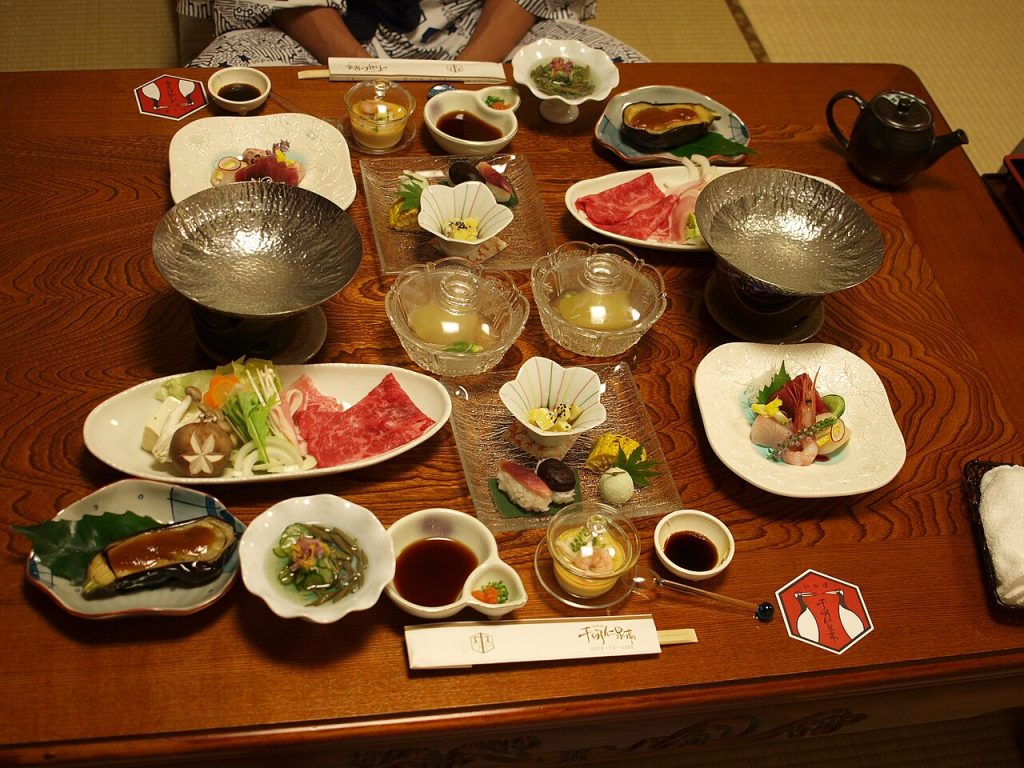
The way a dish is plated and served can reflect cultural norms. For instance, a Japanese kaiseki meal is served in multiple small courses, each with its own aesthetic and flavor profile.
Researching Authenticity
Before you commit to a dish, gather information from reliable sources. Below are practical methods to verify authenticity.
- Consult Local Guides And Cookbooks – Books written by native chefs or historians often contain detailed descriptions of traditional preparation.
- Ask The Chef Or Vendor – Inquire about the origin of the ingredients and the history of the recipe. A knowledgeable chef will be proud to share.
- Check For Certifications – Some regions offer protected designation of origin (PDO) labels that guarantee the dish meets specific standards.
- Read Reviews And Food Blogs – Look for comments that mention authenticity, ingredient quality, and cooking technique.
Practical Tips For Choosing
Start With Your Personal Taste
Identify the flavor profile you enjoy: spicy, sweet, umami, or savory. Traditional dishes vary widely, so aligning the dish with your palate increases satisfaction.
Consider Dietary Restrictions
Many traditional recipes contain allergens or ingredients that may not fit dietary preferences. Research alternatives or ask for modifications.
Plan For The Occasion
Choose a dish that suits the setting: a light, refreshing salad for a summer gathering or a hearty stew for a winter celebration.
Ask About The Cooking Process
Inquire whether the dish is prepared on-site or pre‑made. Freshly cooked meals often deliver richer flavors.
Check The Source of Ingredients
Ask if the ingredients are locally sourced or imported. Local sourcing typically indicates freshness and supports regional economies.
Common Mistakes To Avoid
- Assuming All Restaurants Serve Authentic Versions – Many eateries offer simplified or fusion versions that deviate from traditional methods.
- Overlooking Substitutions – Chefs may replace hard‑to‑find spices with cheaper alternatives, altering the dish’s character.
- Neglecting Cultural Context – Ignoring the cultural significance can lead to misinterpretation or disrespect of the dish’s heritage.
- Choosing Based Solely On Price – Lower cost does not always mean better quality or authenticity.
Conclusion
Choosing the right traditional food is a journey that blends curiosity, respect, and a willingness to explore. By focusing on ingredient authenticity, cooking techniques, and cultural context, you can experience dishes that truly honor their origins. Use the practical tips above to navigate menus, ask informed questions, and avoid common pitfalls. The result will be a memorable culinary experience that celebrates the rich tapestry of global cuisine.