
Chinese food offers a world of flavors that can be enjoyed at home or in a restaurant. This guide gives you practical tips you can start using today to make authentic dishes, choose healthier options, and navigate menus with confidence.
Understanding Chinese Flavors
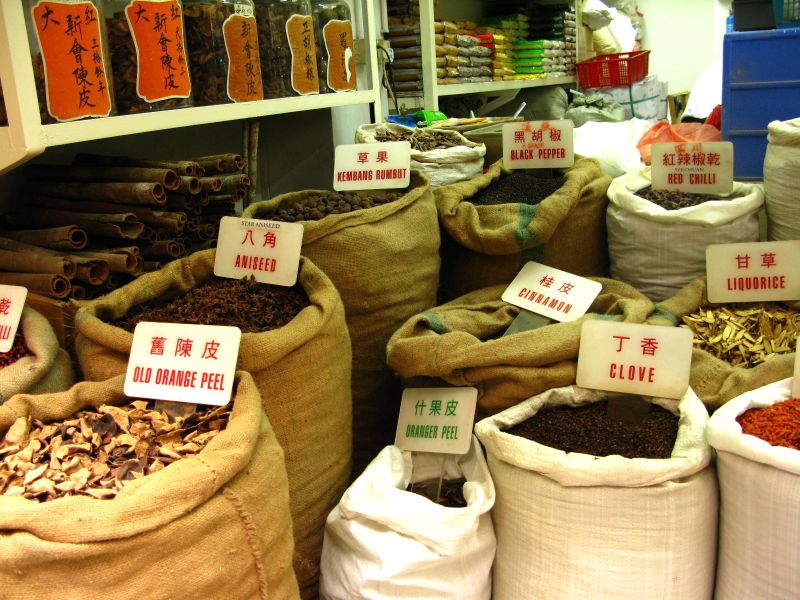
Chinese cuisine is built on five basic taste profiles: sweet, sour, salty, bitter and umami. Balancing these elements creates the harmony that defines classic dishes. For example, a sweet and sour sauce combines sugar and vinegar, while a soy‑based stir‑fry relies on salty umami from fermented beans.
Regional styles emphasize different balances. Sichuan cooking is famous for its bold, spicy, and numbing sensations, often using peppercorns and chili oil. Cantonese dishes tend toward subtle sweetness and fresh seafood, highlighting natural flavors with light sauces.
Essential Ingredients for Home Cooking
Stocking a small pantry of key ingredients lets you whip up a variety of meals without a trip to the market each time.

- Soy sauce – light for seasoning, dark for color and depth.
- Shaoxing wine – adds a mellow, slightly sweet aroma to marinades.
- Chinese black vinegar – perfect for dressings and dipping sauces.
- Sesame oil – a finishing oil that brings nutty richness.
- Doubanjiang – fermented bean paste that delivers authentic Sichuan heat.
- Fresh aromatics – ginger, garlic, scallions and dried red chilies.
When possible, choose fresh produce like bok choy, Chinese broccoli, and napa cabbage. These vegetables retain crisp texture when quickly stir‑fried.
Simple Techniques to Master
Mastering a few core cooking methods will dramatically improve your results.
- Stir‑fry – Cook ingredients over high heat for a short time. Keep the wok hot, add oil, then aromatics, followed by protein and vegetables. Finish with sauce and a splash of sesame oil.
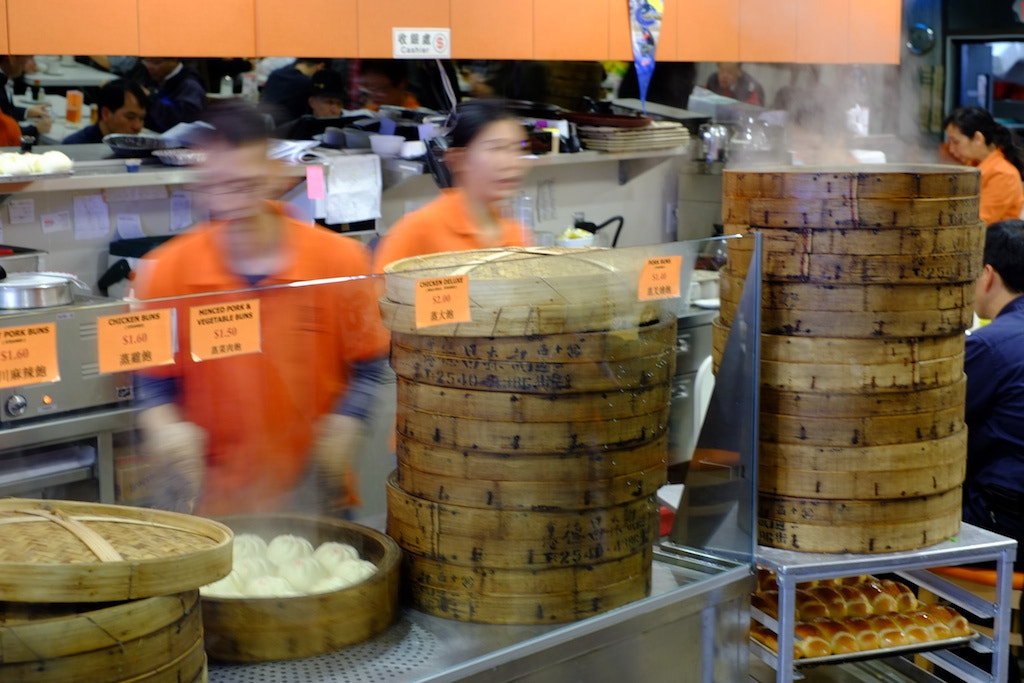
- Steaming – Ideal for delicate fish, dumplings and buns. Use a bamboo steamer over simmering water and cover tightly to trap steam.
- Red‑cooking – Slow braise in soy sauce, sugar, and aromatics. This method produces tender, richly flavored meats like braised pork belly.
Practice the “mise en place” habit: measure sauces, chop all ingredients, and have a bowl ready for finished food before you start heating the pan. This prevents overcooking and keeps flavors bright.
Everyday Meal Ideas
Here are three quick dishes you can prepare in 30 minutes or less.
1. Simple Chicken and Broccoli
Slice chicken breast thinly, marinate with soy sauce, Shaoxing wine and a pinch of cornstarch. Stir‑fry with broccoli florets, garlic and ginger. Add a splash of chicken broth, a drizzle of oyster sauce and finish with toasted sesame seeds.
2. Vegetarian Mapo Tofu
Crumble firm tofu and set aside. Heat doubanjiang, chili oil, and minced garlic in a wok. Add vegetable broth, bring to a simmer, then stir in tofu and a teaspoon of sugar. Garnish with chopped scallions and a drizzle of sesame oil.
3. Quick Fried Rice
Use day‑old rice for best texture. Scramble an egg, set aside, then stir‑fry diced carrots, peas, and chopped ham. Return the rice to the wok, add soy sauce, a dash of white pepper, and fold in the egg. Finish with a handful of sliced scallions.
Healthful Choices
Chinese cuisine can be nutritious when you focus on balance.
- Choose lean proteins such as chicken breast, shrimp or tofu.
- Load dishes with colorful vegetables for fiber and vitamins.
- Limit heavy sauces by using them sparingly or substituting low‑sodium soy sauce.
- Swap deep‑fried items for steamed or baked alternatives.
Incorporate whole grains like brown rice or millet for added texture and nutrients.
Dining Out Smartly
When you eat at a Chinese restaurant, these tips help you enjoy authentic flavors without excess calories.
- Ask for sauces on the side so you can control portion size.
- Choose steamed dishes such as dim sum, fish or vegetable dumplings.
- Opt for broth‑based soups like hot and sour or winter melon for a light starter.
- Share larger plates with the table to sample a variety of flavors.
Don’t be afraid to request less oil or a milder spice level; most chefs are happy to accommodate.
Conclusion
Chinese food is accessible to anyone willing to learn a few basics. By understanding flavor balance, stocking essential pantry items, practicing core techniques, and making mindful choices at home or in a restaurant, you can enjoy delicious, authentic meals every day. Start with one tip from this guide, experiment, and watch your confidence grow.