
Introduction
Traditional foods are more than recipes; they carry stories, cultures, and flavors that have stood the test of time. Yet many of us struggle to find the time, resources, or confidence to bring these dishes into our kitchens. Below we break down actionable strategies that respect the authenticity of traditional cuisine while making it fit into a contemporary, busy lifestyle.
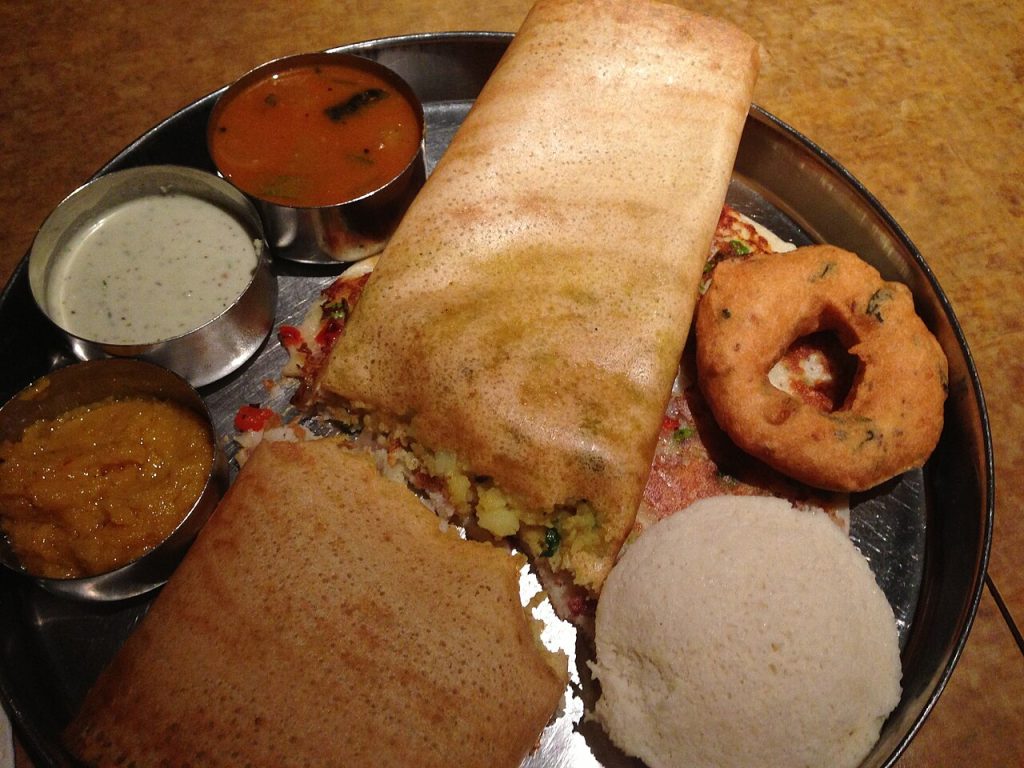
Why Traditional Food Matters
Preserving and enjoying heritage dishes builds community, preserves biodiversity, and provides nutritional benefits rooted in local ecosystems. It also offers a tangible connection to family histories and cultural identity. Keeping these traditions alive requires intentional choices about ingredients, techniques, and storytelling.
Common Barriers
- Limited time for elaborate cooking methods.
- Hard-to-find specialty ingredients.
- Fear of compromising authenticity.
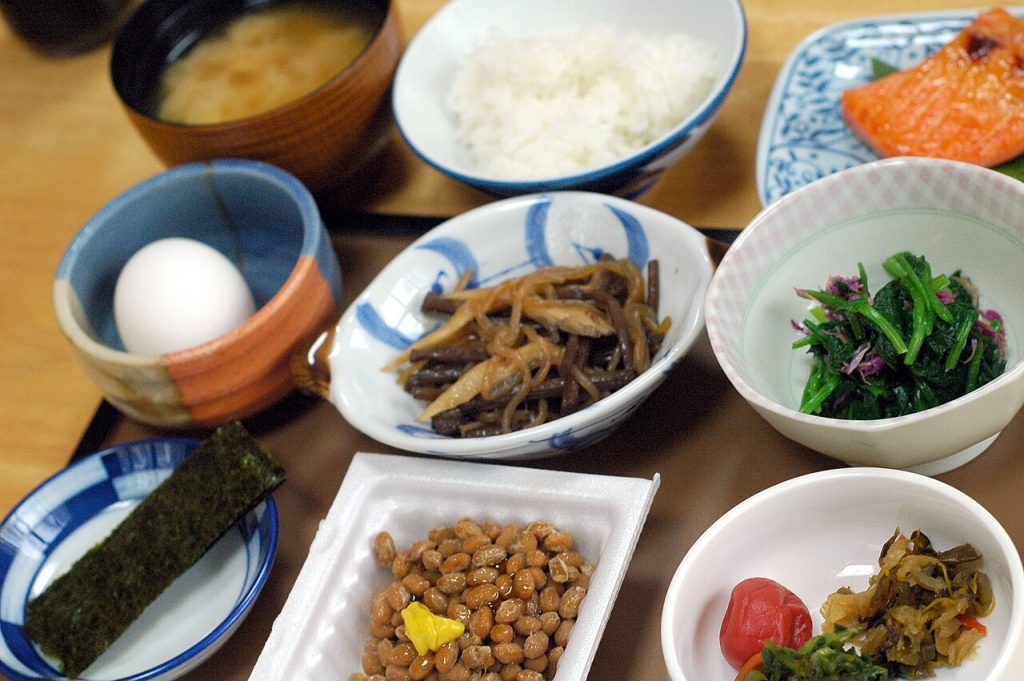
Practical Tips for Everyday Traditional Cooking
1. Recipe Preservation – Keep the Base, Adapt the Finish
Many traditional dishes revolve around a core base: a soup stock, a dough, or a spice blend. Store these bases in small, airtight containers and freeze portions individually so you can add fresh elements later. This short‑term storage keeps key flavors intact without requiring you to recreate them from scratch each meal.
2. Sustainable Sourcing – Look Beyond the Grocery Store
Many historic ingredients are now niche or seasonal. Build relationships with local farmers, cooperatives, and specialty markets. Ask for surpluses or “ugly” produce; many vendors offer these at reduced prices. For dried or fermented items, consider buying small quantities and preserving them yourself with salt or vinegar, which also reduces waste.
3. Flavor Pairing – Modern Ingredients, Ancient Wisdom
Traditional recipe books often hint at pairing flavors. Use a simple spice database** (e.g., The Flavor Bible or local culinary guides) to cross‑reference traditional spices with modern ingredients—think cumin with lemongrass or bay leaves with lentils. Expand your palette without moving away from the dish’s essence.
4. Cooking Techniques – Time‑Saving Variations
- Pressure‑Cooks can replicate slow‑roasted or stewing processes in 10–20 minutes.
- Blend fermented sauces (e.g., miso, soy, fish sauce) with a splash of citrus to mimic aged flavor quickly.
- Use pre‑julienned or pre‑washed ingredients—many now available frozen—to cut prep time.
5. Meal Planning & Batch Cooking
Choose a dish that lends itself to weekend prep. Cook large batches, portion, and freeze. Once thawed, a reheated sheet or pan of the dish rarely loses its traditional texture when given a last-minute sear or fresh herbs for aroma.
6. Storytelling Through Presentation
Layout and plating are critical for authenticity. Use hand‑woven bowls, natural wooden boards, or artisanal clay pieces—materials you often find in traditional markets. Display spices in small open jars to showcase colors and aromas, and narrate the dish’s origin while serving.
7. Community Engagement – Share and Learn
Connecting with local cultural groups or online forums provides tips for sourcing hard‑to‑find items and new cooking techniques. Offer tasting sessions or collaborative cooking nights. This shared enthusiasm protects culinary heritage and ensures knowledge exchange across generations.
Tools and Resources to Support Your Journey
- Free online culinary libraries (e.g., Ethnographic Food Archive, the Food & Agriculture Organization’s database).
- Apps like AllRecipes + Seasonally for customizing traditional menus based on what’s in season.
- Local farmers’ markets and ethnic grocers as primary points for sourcing authentic ingredients.
- Bookstores with illustrated cookbooks that emphasize why each spice is added.
Conclusion
Respecting traditional foods is less about perfect replication and more about mindful adaptation. By preserving essential bases, sourcing sustainably, and employing modern shortcuts, you keep heritage dishes alive and relevant. Snap a photo of your creation, share your story, and invite others to taste the centuries of flavor that gather on a single plate.