
Introduction
Luxury foods are more than just expensive ingredients; they are expressions of culture, history, and meticulous craftsmanship. For beginners, the world of gourmet cuisine can seem intimidating, but with a clear framework you can start exploring high-end dishes without feeling overwhelmed. This guide breaks down the essentials of luxury foods, highlights celebrated examples from around the globe, and provides practical tips for sampling and enjoying these culinary treasures.
What Makes Food Luxury?
Luxury foods share several defining characteristics: rarity, meticulous preparation, exceptional flavor profiles, and often a storied heritage. Rarity can come from limited seasonal availability, exclusive sourcing, or unique production methods. Meticulous preparation involves skilled artisans who dedicate hours or even days to perfect a single element of a dish. Flavor depth is achieved through techniques that enhance natural tastes—think slow-cooked truffles or centuries-old curing processes. Finally, heritage ties each item to a specific place and tradition, adding an intangible value that elevates the dining experience.
Global Luxury Foods
France: Foie Gras and Caviar
In France, foie gras—made from fattened duck or goose liver—is a symbol of indulgence. The process requires careful feeding and humane handling, resulting in a buttery texture that melts on the tongue. Pair it with a crisp, chilled glass of Sauternes for a classic French experience. Meanwhile, caviar, harvested from sturgeon, offers a briny, delicate taste that commands premium prices. French chefs often serve caviar on toast points or with crème fraîche to accentuate its nuanced flavors.
Japan: Kobe Beef and White Truffle Soba
Kobe beef, sourced from the Tajima strain of Wagyu cattle raised in the Hyogo Prefecture, is prized for its intense marbling and melt-in-your-mouth tenderness. A single bite reveals a buttery richness that is unmatched by other meats. In contrast, white truffle soba noodles combine the earthy aroma of truffles with the subtle bite of buckwheat. Both dishes exemplify Japan’s dedication to precision and quality.
Italy: Parmigiano‑Reggiano and Black Truffles
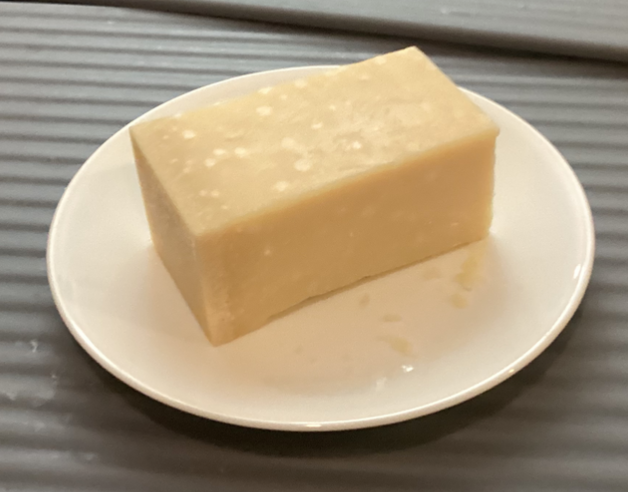
Parmigiano‑Reggiano, aged for 12 to 36 months in the Emilia‑Romagna region, delivers a complex nutty flavor that deepens with time. Its production follows strict regulations, ensuring authenticity and consistency. Black truffles, harvested in the Piedmont area, are celebrated for their robust aroma and earthy undertones. Italian chefs often incorporate truffles into risottos or pasta, creating a dish that is both aromatic and luxurious.
Morocco: Dried Preserved Olives and Saffron
Moroccan preserved olives, cured in olive oil and herbs for months, offer a savory, slightly smoky flavor profile. When paired with fresh herbs, they become a staple in tagines and salads. Saffron, the world’s most expensive spice, is cultivated in the highlands of Morocco. Its bright golden hue and subtle floral notes transform couscous and stews into fragrant, luxurious dishes.
Practical Tips for Beginners
- Start Small: Sample bite-sized portions of luxury ingredients before committing to full courses. Many high-end restaurants offer tasting menus that allow you to try several dishes.
- Learn Pairings: Pair luxury foods with complementary wines or spirits. For instance, a dry white wine pairs wonderfully with caviar, while a full-bodied red enhances the richness of Kobe beef.
- Understand the Story: Knowing the origin and production process of an ingredient adds depth to the tasting experience. Ask your server or read the menu notes for insights.
- Explore Food Markets: Visit specialty food markets or gourmet shops to discover luxury ingredients. Many markets have knowledgeable staff who can guide you on preparation and storage.
- Respect Seasonal Availability: Some luxury foods are only available during specific seasons. Planning ahead ensures you catch these limited-time opportunities.
Conclusion
Luxury foods invite us to savor moments of refined pleasure, to appreciate the artistry behind each bite, and to connect with the cultures that birthed them. By understanding what defines luxury, exploring iconic dishes from around the world, and following practical tasting strategies, beginners can confidently embark on a gourmet journey. Whether you’re dining at a Michelin-starred restaurant or cooking at home, the key is to approach each luxury ingredient with curiosity, respect, and an open palate.