
Introduction
Japanese food is celebrated worldwide for its delicate flavors and meticulous presentation. Yet most diners only scratch the surface, sampling a handful of iconic dishes. Behind the familiar sushi rolls and ramen bowls lies a wealth of lesser-known techniques and ingredients that give Japanese cuisine its depth and versatility. In this guide we’ll explore those hidden secrets, show you how to source them, and offer practical tips for recreating authentic Japanese flavors at home.
Hidden Ingredients That Define Authentic Taste
While soy sauce and miso are staples, there are a few ingredients that most people overlook. These items can dramatically change the profile of a dish.
- Shichimi Togarashi – A seven‑spice blend that adds heat, citrusy aroma, and subtle sweetness. It’s perfect for seasoning grilled fish, ramen broth, or even roasted vegetables.
- Kombu Dashi – A broth made from dried kelp that imparts a natural umami boost. Use it as a base for soups, sauces, and simmered dishes.
- Yuzu Kosho – A spicy citrus paste that delivers bright, tangy flavor. It’s excellent in marinades for chicken or pork, or stirred into sauces for a quick zing.
- Unagi Sauce – A sweet‑savory glaze traditionally used on grilled eel. Its thick, syrupy texture works well on grilled shrimp, chicken, or even roasted root vegetables.
- Hōjicha (Roasted Green Tea) – A nutty, slightly sweet tea that can be brewed as a broth or added to marinades for a smoky depth.
Incorporating these ingredients can transform a simple dish into something that feels truly Japanese.

Regional Variations: Beyond Tokyo and Osaka
Japanese cuisine is far from monolithic. Each region has its own specialties, often shaped by local produce and historical influences. Understanding these differences can help you appreciate the diversity of flavors and techniques.
- Hokkaido – Known for its dairy, seafood, and rich soups. Try ni‑giri ramen with a creamy miso broth and fresh scallop.
- Kyushu – Famous for tonkotsu ramen, but also for kurobuta pork and sweet, smoky grilled yakitori.
- Shikoku – Home to udon with a hearty, soy‑based broth and seasonal vegetables.
- Okinawa – Features goya champuru (bitter melon stir‑fry) and taco rice, a fusion of Japanese and Mexican flavors.
When cooking at home, experiment with regional ingredients or adapt recipes to reflect local flavors.
Seasonal Techniques: Embracing Japan’s Four Seasons
Japanese cuisine celebrates the changing seasons, with ingredients and preparation methods shifting accordingly. Seasonal cooking not only ensures freshness but also reflects cultural values of harmony and respect for nature.
- Spring – Emphasize lightness. Use asparagus, miso, and shiitake mushrooms. A simple shio ramen with a clear, soy‑based broth is ideal.
- Summer – Focus on cooling, refreshing dishes. Grilled ebisu shrimp with yuzu kosho, or chilled ramen topped with cucumber and sesame seeds.
- Autumn – Highlight umami and warmth. Try nabe (hot pot) with seasonal root vegetables and a kombu dashi base.
- Winter – Rich, comforting meals. A hearty katsu curry with a thick, soy‑infused sauce, or a steaming bowl of chanko nabe (sumo wrestler stew).
Seasonal cooking also encourages sustainable practices, as you’ll use produce at its peak.
Practical Tips for Home Cooking
Authentic Japanese flavors can be achieved without a professional kitchen. Here are key techniques and tools that will elevate your home cooking.
- Use a Japanese‑style skillet – The wide, shallow teppanyaki pan allows for quick searing and even heat distribution.
- Master the art of dashi – A good dashi is the backbone of many dishes. Start with kombu and bonito flakes, then adjust with mirin and soy sauce.
- Invest in a good rice cooker – Perfectly cooked rice is essential. A rice cooker ensures consistent texture and flavor.
- Use fresh, high‑quality fish – For sashimi or sushi, buy from a reputable fishmonger and ask for the freshest cuts.
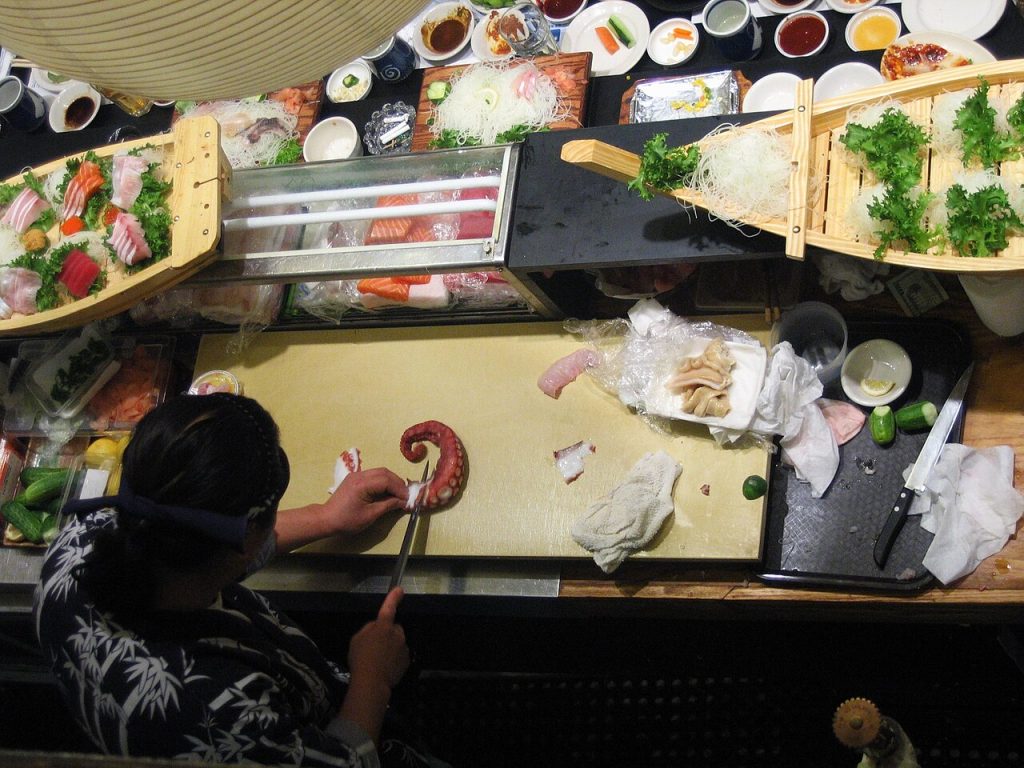
- Practice knife skills – Japanese cuisine relies on precise cuts for both aesthetics and texture. Use a sharp chef’s knife and a bamboo cutting board.
- Season lightly – Japanese cooking often relies on subtlety. Add soy sauce, mirin, or yuzu kosho gradually, tasting as you go.
- Embrace fermentation – Fermented foods like miso, natto, and pickled daikon add depth and complexity. Try adding a spoonful of miso to soups or sauces.
With these tools and techniques, you can recreate a range of Japanese dishes from the comfort of your own kitchen.
Conclusion
Japanese food is more than sushi and ramen; it’s a tapestry of hidden ingredients, regional flavors, and seasonal wisdom. By exploring these lesser‑known secrets, you’ll deepen your appreciation for the cuisine and gain new culinary tools. Whether you’re a seasoned cook or a curious beginner, the techniques and ingredients highlighted here will help you bring authentic Japanese flavor to everyday meals. Happy cooking, and enjoy the journey through Japan’s diverse food landscape.