
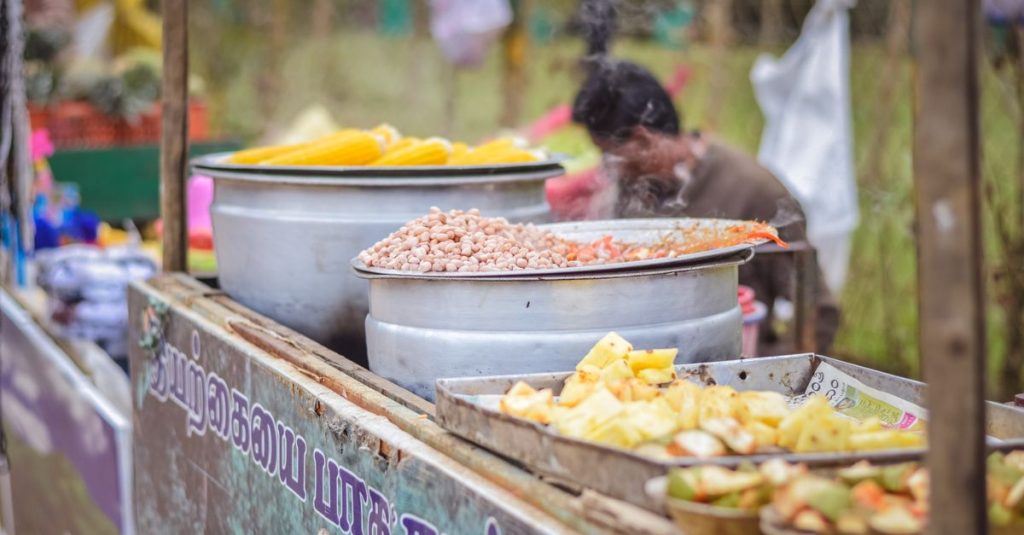
The Magic of the Cart: Exploring the Global Phenomenon of Street Food
There is a universal pulse to street food. It is the rhythmic chopping of herbs on a stainless steel cart in Bangkok, the hiss of masa hitting a blazing hot *comal* in Mexico City, and the intoxicating scent of toasted cumin and charred meat drifting through the bustling alleys of Marrakech. Street food is more than a quick, inexpensive bite; it is the ultimate expression of a culture’s culinary identity, deeply rooted in community, tradition, and ingenuity.
Across the globe, street food vendors are culinary artists who have mastered the art of maximizing flavor with minimal equipment. These dishes are designed to be eaten on the go, often cradled in a sheet of paper or a banana leaf, offering a direct taste of daily life in a foreign city—or your own neighborhood. Best of all, these vibrant, democratic dishes are entirely achievable in a home kitchen. Today, we are taking a journey to Southeast Asia to capture the addictive, fiery, and herbaceous magic of a true street food icon: Thai Beef Basil (Pad Kra Pao).
What Is Pad Kra Pao?
Pad Kra Pao is arguably the undisputed king of Thai street food. It is a quick-fire stir-fry featuring coarsely minced meat (usually pork or beef) tossed with garlic, fiery bird’s eye chilies, savory sauces, and an abundance of fresh holy basil. It is traditionally served over steaming jasmine rice and crowned with a crispy-edged fried egg (*kai dao*), the runny yolk of which acts as a rich, velvety sauce when broken.
Country and Cultural Background
Originating in Thailand, Pad Kra Pao is the ultimate “default” order at roadside food stalls (*santhakan*) across the country. When a Thai local sits down at a stall and cannot decide what to eat, they order Pad Kra Pao. It relies on the concept of *ahaan tam sang*—food made-to-order. Despite its humble, working-class roots, the dish offers a masterclass in Thai flavor balance: the searing heat of chilies, the salty-umami punch of fish sauce and oyster sauce, a hint of sweetness, and the unmistakable peppery, clove-like aroma of holy basil.
Recipe: Authentic Thai Beef Basil (Pad Kra Pao Nuea)
Bring the thunderous flavors of a Bangkok night market straight to your stovetop with this fast, foolproof recipe designed for standard home burners and skillets.
Ingredients with Quantities
For the Stir-Fry:
-
1 lb (450g) coarsely ground beef (about 15-20% fat content is ideal)
4 to 6 fresh Thai bird’s eye chilies (adjust to your spice tolerance)
5 cloves fresh garlic
2 tbsp neutral cooking oil (avocado or canola oil work well)
1 cup packed holy basil leaves (substitute Thai basil if holy basil is unavailable)
1 small shallot, thinly sliced (optional)
For the Sauce:
-
1.5 tbsp oyster sauce
1 tbsp regular soy sauce
1 tsp dark soy sauce (for color and depth)
1 tsp fish sauce
1 tsp sugar (palm sugar or brown sugar)
2 tbsp water or low-sodium chicken broth
For Serving:
-
2 cups cooked jasmine rice
2 to 4 large eggs
1/4 cup neutral oil (for deep-frying the eggs)
1 lime, cut into wedges
Prik Nam Pla (Thai fish sauce with sliced chilies, optional for serving)
Step-by-Step Instructions
- Prepare the Aromatics: In a mortar and pestle, pound the garlic and Thai bird’s eye chilies together until they form a coarse, fragrant paste. (If you don’t have a mortar and pestle, finely mince them with a chef’s knife, but pounding helps release the essential oils).
- Mix the Sauce: In a small bowl, combine the oyster sauce, regular soy sauce, dark soy sauce, fish sauce, sugar, and water/broth. Stir until the sugar dissolves.
- Pound the Beef (Optional Pro-Tip): For the best texture, take your ground beef and give it a few quick chops and mashes with a cleaver or heavy spoon. This helps break up dense clumps so it mimics hand-minced meat.
- Make the Crispy Eggs First: Heat 1/4 cup of neutral oil in a small skillet over medium-high heat until shimmering. Crack an egg into the hot oil. Fry it undisturbed until the edges are deeply golden and crispy, and the whites are set while the yolk remains runny. Remove with a slotted spoon and set aside on paper towels. Repeat for remaining eggs. Pour out most of the excess frying oil, leaving about 1 tablespoon in the wok or skillet.
- Flash Fry the Aromatics: Turn your burner to high heat. Add the reserved 1 tablespoon of oil to a wok or heavy-bottomed skillet until smoking hot. Add the garlic and chili paste and the sliced shallots. Stir-fry vigorously for just 15 to 20 seconds until intensely aromatic. Be careful not to burn the garlic.
- Cook the Beef: Add the ground beef to the pan. Break it apart quickly with a spatula and spread it out to get a nice sear. Cook for 2 to 3 minutes, letting it brown without stirring constantly.
- Combine and Reduce: Pour the sauce mixture directly over the beef. Toss everything together vigorously, breaking the meat down into small, fine pieces. Cook for another 1 to 2 minutes until the liquid reduces and coats the beef in a glossy, savory glaze.
- Incorporate the Basil: Turn off the heat entirely. Immediately add the holy basil leaves. Toss them continuously into the hot beef for 30 to 45 seconds until they are just wilted and their aroma fills the air.
- Serve: Plate the hot jasmine rice, spoon the fragrant beef basil generously over the top, and crown each plate with a crispy-edged fried egg. Serve with a lime wedge on the side.
Cooking Tips and Tricks
- Embrace the Heat: Street food vendors cook over jet-engine gas burners. At home, turn your stove to its highest setting and use a carbon steel wok or cast-iron skillet to mimic that high-heat sear.
- Don’t Overcook the Basil: Basil leaves turn black and lose their bright flavor if cooked over active heat for too long. Always turn off the flame before tossing them in.
- Mind the Fumes: Frying fresh chilies in hot oil can release capsaicin aerosols that cause coughing. Turn on your kitchen exhaust fan before adding the chili-garlic paste to the pan!
Substitutions
- Meat: If you don’t eat beef, finely minced pork shoulder, ground chicken thighs, or even firm cubed tofu work exceptionally well.
- Basil: True Pad Kra Pao requires holy basil (*Bai Kra Pao*), which has a spicy, peppery kick. If you can’t find it at an Asian supermarket, Thai sweet basil is a great alternative, followed by Italian Genovese basil in a pinch.
- Sugar: Palm sugar adds a traditional caramel undertone, but light brown sugar or white sugar will do the job nicely.
Common Mistakes to Avoid
- Using the Wrong Basil: Substituting standard Western sweet basil for holy basil changes the authentic flavor profile entirely. Make the extra trip to an Asian grocer if you can.
- Skipping the Crispy Egg: The fried egg is not a mere garnish; it is an essential textural and flavor component designed to balance the intense salt and spice of the meat.
- Crowding the Pan: Make sure your pan is hot enough. If your skillet is overcrowded, the meat will steam instead of brown, resulting in a watery stir-fry.
Serving Suggestions
Pad Kra Pao is traditionally served as a complete one-dish meal (*arhan jan diao*) accompanied by a small side bowl of Prik Nam Pla—a simple condiment made of sliced fish sauce, fresh lime juice, and bird’s eye chilies. Pair your meal with an iced Thai milk tea or a crisp, cold lager to tame the fiery heat.
Variations
- Pad Kra Pao Moo Sub: The most popular street food variation utilizing minced pork instead of beef.
- Pad Kra Pao Talay: A seafood version packed with fresh shrimp, squid, and mussels.
- Moo Krob Pad Kra Pao: A luxurious version featuring crispy Chinese pork belly (*moo krob*) instead of minced meat.
Frequently Asked Questions
Is holy basil the same as Thai sweet basil?
No, they are distinct varieties. Holy basil has hairy stems, serrated leaves, and a pungent, spicy, clove-like aroma. Thai sweet basil has smooth leaves and a sweeter, licorice-like flavor. While you can substitute sweet basil if necessary, the flavor profile will differ.
Can I make this dish less spicy?
Absolutely. Simply reduce the number of bird’s eye chilies or remove their seeds before pounding them. However, keep in mind that a traditional Pad Kra Pao is meant to have a noticeable kick.
What kind of rice should I use?
Always use fragrant jasmine rice. Its slightly sticky, floral quality provides the ideal neutral canvas to absorb the rich, savory sauce of the beef stir-fry.
How do I store leftovers?
While best enjoyed fresh, leftover beef stir-fry can be stored in an airtight container in the refrigerator for up to 2 days. Reheat it quickly in a hot skillet and fry a fresh egg to serve over the top.
Conclusion
Street food reminds us that incredible cooking does not require white tablecloths or complex culinary techniques—it requires bold flavors, fresh ingredients, and a passion for sharing great food. By bringing dishes like Pad Kra Pao into your home kitchen, you can capture the vibrant, electric spirit of the world’s most exciting food stalls right at your own dinner table. Happy cooking!