
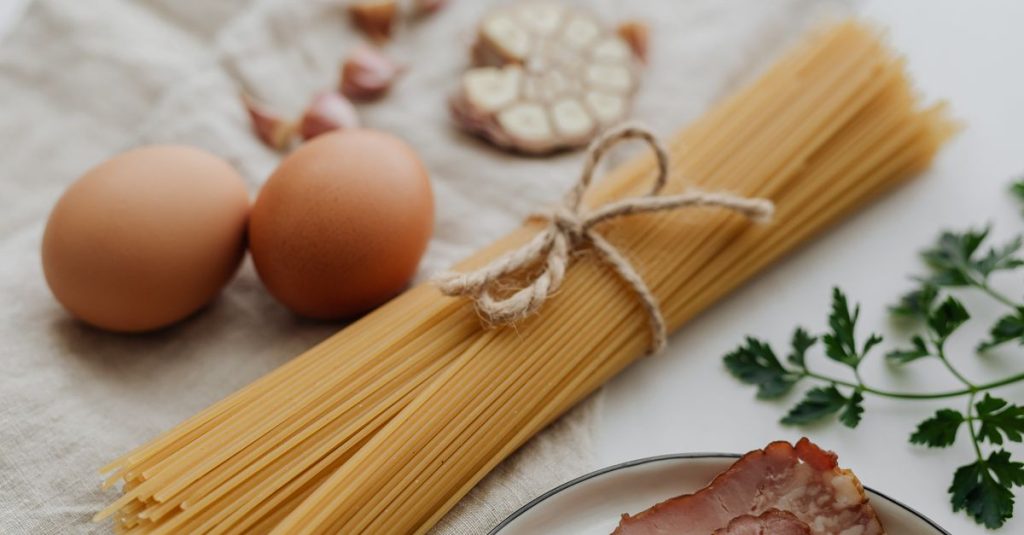
A Love Affair with Italian Food: The Magic of Simple, Quality Ingredients
Few culinary traditions hold the global fascination and deep-rooted affection of Italian food. From the bustling trattorias of Rome to the sun-drenched lemon groves of the Amalfi Coast, Italian cooking is a celebration of community, heritage, and the seasons. Rather than relying on heavy sauces or complex techniques, true Italian cuisine lets the natural flavors of high-quality ingredients take center stage. Whether you are twirling a forkful of perfectly al dente pasta or sharing a crusty slice of artisanal bread dipped in robust olive oil, Italian food offers a comfort that feels both rustic and profoundly sophisticated.
Today, we are exploring one of the crown jewels of traditional Italian cooking: Authentic Italian Ragù alla Bolognese. Often misunderstood outside of Italy as a quick-fix meat sauce, true Bolognese is a slow-simmered labor of love that balances savory meats, sweet aromatics, a splash of wine, and dairy to create a rich, velvety masterpiece that clings to every strand of pasta.
What is Authentic Ragù alla Bolognese?
Ragù alla Bolognese is a meat-based sauce originating from Bologna, the capital of the Emilia-Romagna region in northern Italy. Unlike the tomato-heavy meat sauces commonly served in Western restaurants, traditional Bolognese is a meat sauce *with* tomato, rather than a tomato sauce with meat. It features a finely minced soffritto (onion, celery, and carrot), ground beef (and often pork), pancetta, dry white or red wine, broth, and a crucial touch of whole milk, which tenderizes the meat and mellows the acidity of the tomatoes. It is traditionally served with wide egg ribbons like tagliatelle rather than spaghetti, ensuring the rich sauce coats every bite.
Cultural Background and Tradition
In Italy, food is deeply tied to regional identity and geography. The Emilia-Romagna region is often referred to as the food capital of Italy, renowned for producing Parmigiano-Reggiano, prosciutto di Parma, and traditional balsamic vinegar. Ragù alla Bolognese was born out of this agricultural abundance and the philosophy of *cucina povera* (peasant cooking), though its rich ingredients suggest it was also favored by the local bourgeoisie. To preserve its heritage, the Italian Academy of Cooking (Accademia Italiana della Cucina) officially deposited the canonical recipe for Ragù alla Bolognese with the Chamber of Commerce in Bologna in 1982, ensuring that this culinary treasure is protected for future generations.
Classic Tagliatelle al Ragù alla Bolognese Recipe
Bring the heart of Emilia-Romagna into your home kitchen with this authentic, slow-simmered recipe. While it requires patience, the actual hands-on time is minimal.
Prep time: 25 minutes | Cook time: 3 hours | Servings: 6
Ingredients
- 3 oz (85g) pancetta, finely diced
- 2 tablespoons extra-virgin olive oil (or unsalted butter)
- 1 medium yellow onion, finely minced
- 1 medium stalk celery, finely minced
- 1 medium carrot, finely minced
- 1 lb (450g) ground beef chuck (80/20 lean-to-fat ratio is ideal)
- ½ lb (225g) ground pork
- 1 cup (240ml) dry white wine (or dry red wine like Chianti)
- 1 cup (240ml) whole milk
- 1 cup (240ml) beef or vegetable broth (plus extra as needed)
- 1 cup (240ml) tomato passata (puréed strained tomatoes) or high-quality canned crushed tomatoes
- Fine sea salt and freshly ground black pepper, to taste
- 1 lb (450g) dried tagliatelle pasta (or fresh egg tagliatelle)
- Freshly grated Parmigiano-Reggiano cheese, for serving
Step-by-Step Instructions
- Render the Pancetta: In a heavy-bottomed Dutch oven or large heavy pot, combine the olive oil and diced pancetta. Cook over medium-low heat until the pancetta is translucent and has rendered much of its fat, about 6 to 8 minutes. Do not let it crisp up excessively.
- Build the Soffritto: Add the minced onion, celery, and carrot to the pot. Sauté gently over medium-low heat, stirring frequently, until the vegetables are soft and sweet, about 10 minutes. They should not brown deeply.
- Brown the Meat: Add the ground beef and ground pork to the pot. Break the meat apart with a wooden spoon and cook until it is no longer pink and the juices have evaporated, about 10 to 12 minutes.
- Deglaze with Wine: Pour in the wine. Simmer uncovered, stirring occasionally, until the wine has completely evaporated and the alcohol aroma is gone, roughly 8 to 10 minutes.
- Add the Milk: Pour in the whole milk. Simmer gently, stirring often, until the milk has entirely evaporated into the meat. (Traditional Bolognese masters swear by this step for tenderizing the meat).
- Simmer Low and Slow: Stir in the tomato passata, broth, a pinch of salt, and some black pepper. Bring the mixture to a gentle bubble, then immediately reduce the heat to the lowest setting. Cover the pot loosely with a lid, leaving a small crack for steam to escape. Simmer for at least 2.5 to 3 hours, stirring occasionally. If the sauce begins to dry out too much, add a splash of warm broth or water.
- Finish and Adjust Seasoning: Taste the ragù and season with additional salt and pepper if needed. Remove from heat.
- Cook the Pasta and Toss: Bring a large pot of salted water to a boil. Cook the tagliatelle according to package instructions until al dente. Drain, reserving ½ cup of pasta water. Toss the pasta directly into the warm ragù, adding a splash of pasta water to help the sauce cling to the noodles. Serve immediately with freshly grated Parmigiano-Reggiano.
Cooking Tips and Tricks
- Low and Slow is Mandatory: Do not rush the simmering process. The long cooking time breaks down the connective tissue in the meat, creating an meltingly tender texture and deep flavor profile.
- Don’t Skip the Milk: The milk neutralizes the natural acidity of the tomatoes and creates a velvety, luxurious texture that defines authentic Bolognese.
- Invest in a Heavy Pot: Use a heavy-bottomed Dutch oven or enameled cast-iron pot. It distributes heat evenly and prevents the bottom of the sauce from scorching during the long simmer.
Substitutions
- Meat: If you cannot find ground pork, you can use all beef chuck, though a mix of beef and pork yields the best traditional flavor. Ground veal is also a classic alternative to the pork.
- Wine: Traditionally, northern Italian recipes use dry white wine, but dry red wine is an acceptable and delicious substitute if you prefer a deeper, more robust flavor.
- Pasta: While tagliatelle is the authentic pairing, this rich meat sauce also pairs wonderfully with pappardelle, rigatoni, or garganelli.
Common Mistakes to Avoid
- Using Spaghetti: Long, thin strands like spaghetti cannot hold the weight of a chunky meat ragù. Always opt for wide ribbons or ridged short tubes.
- Skipping the Soffritto Step: Rushing the cooking of the onions, carrots, and celery strips the sauce of its foundational sweetness. Take your time softening them.
- Covering the Pot Completely: Trapping all the steam keeps the sauce too watery. Keep the lid slightly ajar so excess moisture can evaporate as it simmers.
Serving Suggestions
Serve your Tagliatelle al Ragù in warm, shallow bowls topped with a generous cloud of freshly grated Parmigiano-Reggiano cheese. Pair the meal with a basket of crusty Italian bread to mop up any remaining sauce and a medium-bodied red wine from northern Italy, such as a Chianti Classico or a Barbera d’Asti. A crisp green side salad dressed simply with extra-virgin olive oil and lemon juice provides a refreshing contrast to the rich pasta.
Variations of Italian Ragù
- Ragù alla Napoletana (Neapolitan Ragù): Unlike the minced meat of Bologna, Neapolitan ragù features large cuts of beef, pork, or meatballs braised whole in a rich, slow-cooked tomato sauce, traditionally served over ziti.
- Wild Boar Ragù (Ragù di Cinghiale): Popular in Tuscany and Umbria, this rustic variation uses gamey wild boar meat, often paired with red wine, juniper berries, and rosemary.
- White Ragù (Ragù Bianco): Made without tomatoes entirely, this white meat ragù relies heavily on aromatic herbs, white wine, and broth for a lighter yet deeply savory sauce.
Frequently Asked Questions (FAQ)
Can I make Ragù alla Bolognese ahead of time?
Yes, absolutely! In fact, ragù often tastes even better the next day after the flavors have had time to meld together. You can store it in an airtight container in the refrigerator for up to 4 days.
Can I freeze this sauce?
Ragù alla Bolognese freezes exceptionally well. Let the sauce cool completely, then transfer it to freezer-safe containers or bags. It can be frozen for up to 3 months. Thaw overnight in the refrigerator before reheating gently on the stovetop.
Why is there milk in a meat and tomato sauce?
Adding milk is a traditional Emilia-Romagna technique. The milk proteins and fats mellow the harsh acidity of the tomatoes and tenderize the meat during the long simmer, resulting in a smooth, balanced sauce.
What is the difference between Bolognese and standard American spaghetti sauce?
Standard American meat sauce is typically tomato-forward with a high volume of crushed tomatoes and garlic. Authentic Bolognese uses very little tomato, relies heavily on a soffritto and milk, incorporates ground pork and pancetta, and is simmered for hours.
Conclusion
Italian cooking teaches us that patience and care are the most important ingredients in any kitchen. By taking the time to build flavors slowly and respecting traditional techniques, you can transform simple, everyday ingredients into an extraordinary meal. Whether you are hosting a dinner party or cooking a comforting Sunday family supper, mastering a classic Italian ragù is a rewarding culinary achievement that you will return to for years to come. *Buon appetito!*