
Introduction
Japanese cuisine is celebrated worldwide for its precision, balance, and fresh flavors. While sushi, ramen, and tempura dominate the headlines, the culinary landscape of Japan is far richer. This article uncovers lesser‑known secrets that can transform everyday meals into authentic Japanese experiences.
From subtle umami boosters to regional specialties that rarely appear on international menus, these insights will deepen your appreciation of Japanese food and inspire you to experiment in your own kitchen.
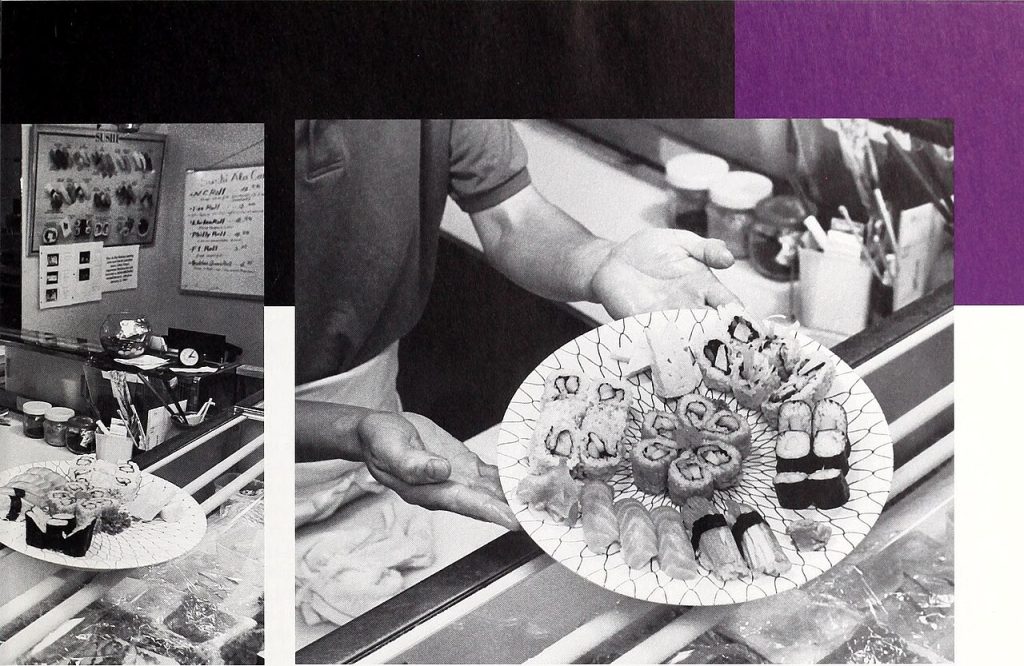
The Art of Umami
Umami, often described as the “fifth taste,” is the cornerstone of Japanese flavor. Unlike the more obvious sweet, sour, salty, and bitter, umami provides a savory depth that lingers on the palate. The Japanese have mastered the art of extracting this taste from a variety of natural sources.
Key Umami Sources
- Shiitake mushrooms – dried and rehydrated, they release a rich earthy flavor.
- Mirin and sake – these fermented rice wines add subtle sweetness and complexity.
- Bonito flakes (katsuobushi) – dried, fermented, and smoked, they are the base for dashi, the ubiquitous Japanese broth.
- Seaweed varieties (kombu, nori, wakame) – each brings its own mineral profile and umami punch.
- Fermented soybean products (miso, natto, shoyu) – they offer depth through long‑term fermentation.
Incorporating these ingredients, even in small amounts, can elevate simple dishes like rice, miso soup, or grilled vegetables.
Hidden Ingredients That Elevate Everyday Dishes
Beyond the familiar condiments, Japanese cooking contains a range of subtle additions that are often overlooked by beginners.
- Yuzu kosho – a spicy citrus paste that adds brightness and heat.
- Kombu salt (kombu shio) – infused seaweed salt that imparts a natural umami flavor to soups and stews.
- Shichimi togarashi – a seven‑spice blend that introduces mild heat, citrus, and aromatic herbs.
- Hōjicha – roasted green tea used in sauces for a smoky undertone.
- Gochujang‑style Japanese miso paste – a fermented mixture that combines the sweetness of miso with the heat of Korean gochujang.
These ingredients are readily available in Asian markets or online and can be mixed into marinades, sauces, or even sprinkled over grilled fish for an instant flavor upgrade.
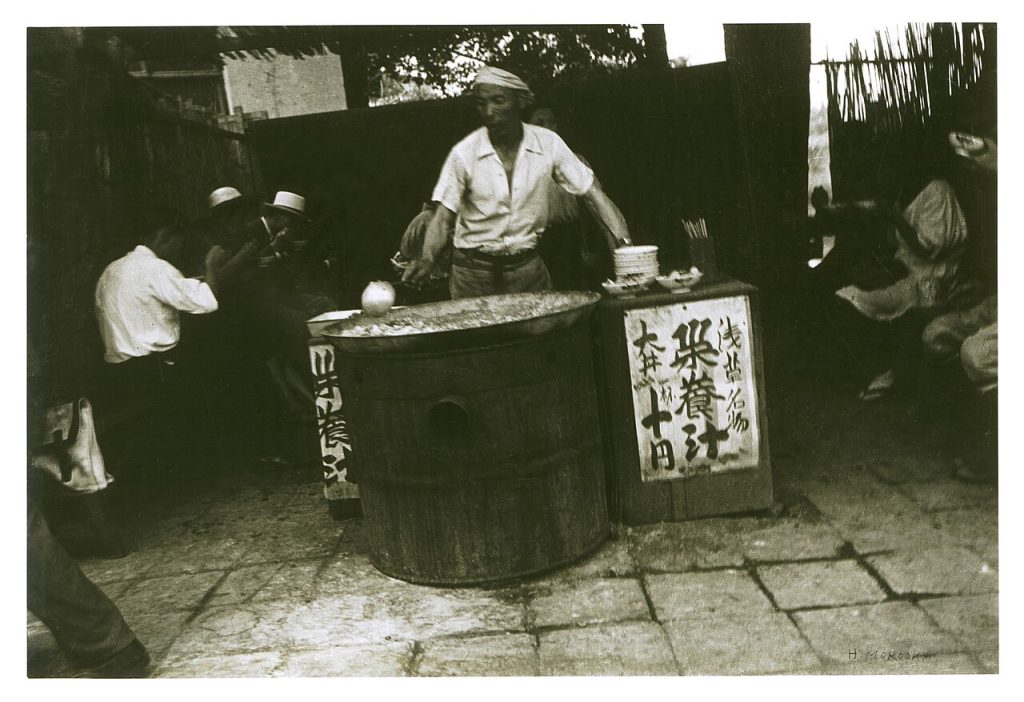
Regional Variations That Go Beyond Sushi
Japan’s geography fosters diverse culinary traditions. Each region offers unique dishes that reflect local ingredients and history.
- Hokkaido – Crab and Seaweed Noodles – the island’s cold waters produce premium crabs, often served in a hot pot with seaweed broth.
- Kyoto – Kaiseki‑style Seasonal Platter – a multi‑course meal that showcases the season’s produce with meticulous plating.
- Okinawa – Goya Champuru – a stir‑fry featuring bitter melon, tofu, and pork, highlighting Okinawan health‑focused cuisine.
- Osaka – Takoyaki and Okonomiyaki – savory batter pies that incorporate local seafood and cabbage.
- Fukuoka – Hakata Ramen – a rich pork bone broth served with thin noodles and sliced pork belly.
Exploring these regional dishes provides a deeper understanding of how geography shapes taste and cooking techniques.
Practical Tips for Bringing Authentic Flavors Home
Authentic Japanese flavor can be achieved without a trip to Japan. Here are actionable steps to help you recreate these secrets.
- Start with Dashi – make a simple kombu‑bonito broth as a base for soups, sauces, and simmered dishes.
- Use Fresh, Seasonal Produce – Japanese cooking emphasizes the natural sweetness and texture of fresh ingredients.
- Balance Umami with Acidity – add a splash of rice vinegar or citrus juice to brighten rich dishes.
- Embrace Fermentation – experiment with miso or pickled vegetables to deepen flavor profiles.
- Control Heat – use shichimi togarashi sparingly to avoid overpowering delicate flavors.
- Presentation Matters – slice ingredients evenly and arrange them aesthetically to honor the Japanese emphasis on visual harmony.
With these techniques, you can confidently explore Japanese cuisine and share authentic tastes with friends and family.
Conclusion
Japanese food is a tapestry woven from umami, regional diversity, and thoughtful preparation. By integrating hidden ingredients, respecting regional specialties, and applying practical cooking strategies, you can elevate everyday meals and gain a richer appreciation of Japan’s culinary heritage. Next time you reach for a bowl of rice, remember that a pinch of kombu salt or a dash of yuzu kosho can transform it into a dish worthy of a Michelin‑star kitchen.