
Introduction
Thai food is renowned for its balance of sweet, sour, salty, and spicy elements. Whether you’re a seasoned cook or just starting out, incorporating Thai flavors into your daily meals can add excitement and nutrition. This guide will walk you through the core ingredients, practical kitchen hacks, and a few quick recipes that you can whip up in minutes.
Understanding Thai Flavor Profiles
The Pillars of Taste
Thai cuisine thrives on the interplay of five fundamental tastes. Mastering these will help you recreate authentic dishes with confidence.
- Sour: Tamarind, lime juice, or vinegar provide brightness.
- Sweet: Palm sugar or a splash of coconut milk adds depth.
- Salty: Fish sauce, soy sauce, or anchovy paste offer umami.
- Spicy: Fresh chilies or dried pepper flakes deliver heat.
- Umami: Mushrooms, fermented soy, or shrimp paste enrich flavor.
Balancing Act
When cooking, start with a small amount of each component, taste, and adjust. Remember: it’s easier to add more than to fix an over-seasoned dish.
Everyday Ingredients Worth Stocking
- Fresh herbs: Cilantro, Thai basil, and mint bring aromatic freshness.
- Spices: Ground cumin, coriander, and lemongrass paste are pantry staples.
- Starch bases: Jasmine rice, rice noodles, or sticky rice provide versatility.
- Proteins: Chicken, pork, shrimp, tofu, and eggs adapt to countless dishes.
- Condiments: Fish sauce, oyster sauce, and tamarind paste are key flavor boosters.
Quick & Easy Thai Recipes for Busy Days
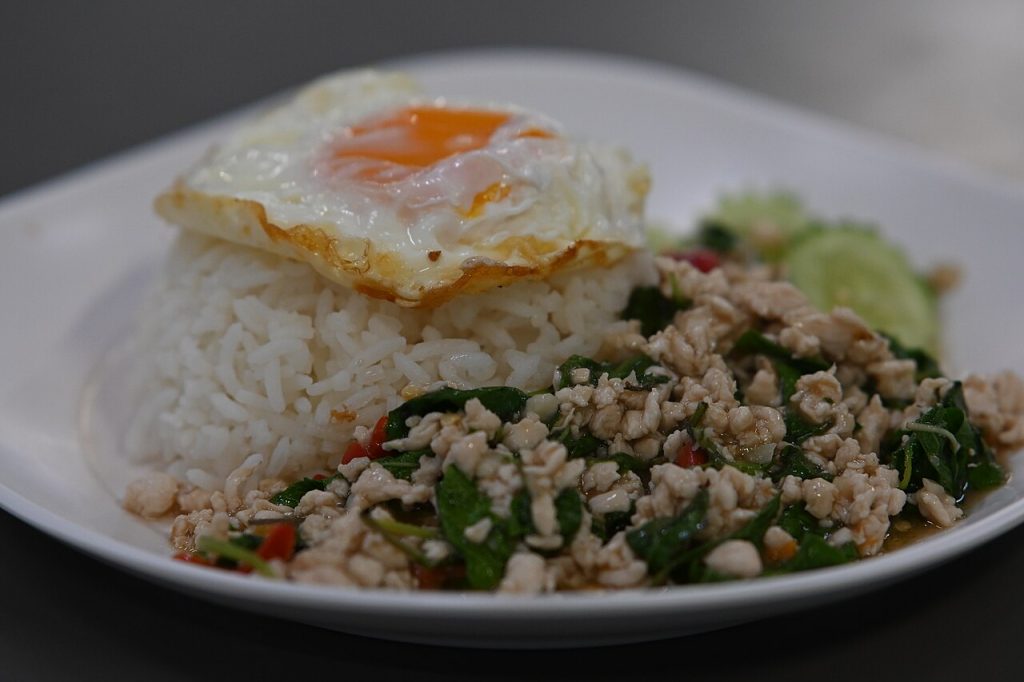
1. One-Pan Thai Basil Chicken (Pad Krapow Gai)
This dish is a staple in Thai street food and can be made in under 20 minutes. Use ground chicken or minced pork, sauté with garlic and chilies, then stir in soy sauce, fish sauce, and a splash of palm sugar. Finish with a generous handful of fresh Thai basil.
2. Spicy Thai Peanut Noodles
Cook rice noodles according to package instructions. In a bowl, whisk together peanut butter, lime juice, soy sauce, a touch of brown sugar, and a pinch of red pepper flakes. Toss noodles with the sauce, sliced bell pepper, shredded carrot, and a handful of chopped peanuts. Garnish with cilantro.
3. Quick Tom Yum Soup
Bring water or broth to a boil, add lemongrass slices, kaffir lime leaves, and sliced galangal. Add shrimp or tofu, a few cherry tomatoes, and mushrooms. Finish with lime juice, fish sauce, and sliced fresh chilies.
Practical Kitchen Tips for Authentic Thai Cooking
- Use a mortar and pestle: Grinding chilies, garlic, and herbs releases essential oils that deepen flavor.
- Prep ingredients in advance: Chop vegetables and measure sauces ahead of time to streamline cooking.
- Keep a small spice jar: A pinch of ground cumin, coriander, or smoked paprika can add a subtle depth reminiscent of Thai spice blends.
- Cook on medium heat: Thai dishes often require quick, high-heat cooking. Medium heat allows ingredients to cook evenly without burning.
- Balance heat with sweetness: If a dish feels too spicy, add a bit of palm sugar or a spoonful of coconut milk.
Conclusion
Incorporating Thai flavors into everyday meals is both rewarding and accessible. By understanding the core taste principles, stocking essential ingredients, and mastering a few quick recipes, you can bring the vibrant spirit of Thailand to your kitchen without a trip abroad. Experiment with different protein choices, adjust spice levels to your preference, and most importantly, enjoy the process of creating bold, balanced dishes that excite the palate.