
Introduction
Indonesian food is a tapestry of bold flavors, aromatic spices, and diverse regional traditions. Whether you’re a seasoned traveler or a curious foodie, this guide will help you navigate the rich culinary landscape of the world’s largest archipelago. From the bustling street stalls of Jakarta to the serene kitchens of Bali, Indonesian cuisine offers a delightful journey that’s both accessible and unforgettable.
We’ll cover the core ingredients that define the cuisine, highlight must‑try dishes, and give you practical advice on where to eat, what to order, and how to enjoy Indonesian food like a local. Ready to explore? Let’s dive in!
1. The Foundations of Indonesian Flavor
Indonesian cooking is built on a few key elements that give it its unmistakable character:
- Spices and aromatics – coconut milk, galangal, lemongrass, kaffir lime leaves, and chili create depth and heat.
- Herbs – fresh coriander, basil, and mint add brightness.
- Sweetness and acidity – palm sugar, tamarind, and lime balance spiciness.
- Seafood and meats – fish, prawns, and chicken are staples across the islands.
- Rice – the backbone of every meal, whether steamed, fried, or served with a side.
These ingredients come together in countless combinations, creating a cuisine that is as varied as Indonesia’s geography.
2. Must‑Try Dishes for First‑Timers
2.1 Nasi Goreng (Fried Rice)
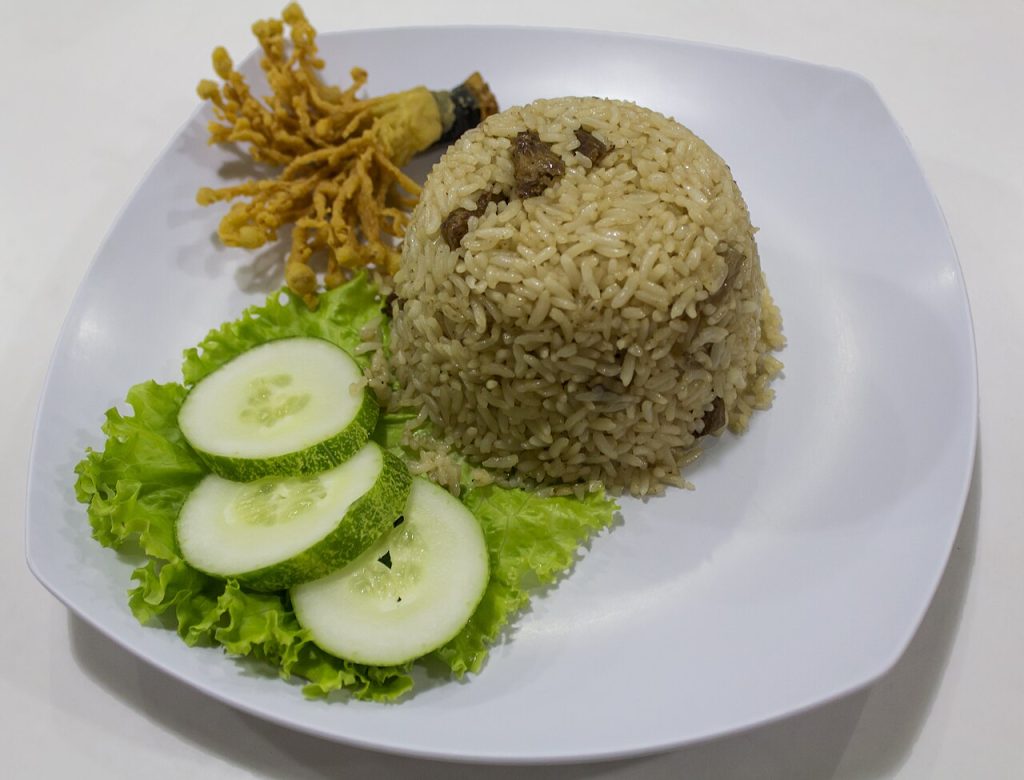
Often served as a breakfast or late‑night snack, this fragrant rice dish is seasoned with sweet soy sauce, garlic, and shallots. It’s usually topped with a fried egg, sliced cucumber, and a side of prawn crackers.
2.2 Rendang (Slow‑Cooked Spicy Meat)
A legendary dish from Sumatra, rendang features beef or chicken simmered in coconut milk and a complex spice paste until the liquid reduces and the flavors concentrate. It’s rich, aromatic, and slightly sweet.
2.3 Gado‑Gado (Vegetable Salad with Peanut Sauce)
Fresh greens, boiled potatoes, tofu, and tempeh are tossed in a creamy peanut sauce. It’s a refreshing, protein‑packed option that showcases Indonesia’s love for plant‑based meals.
2.4 Satay (Grilled Skewers)
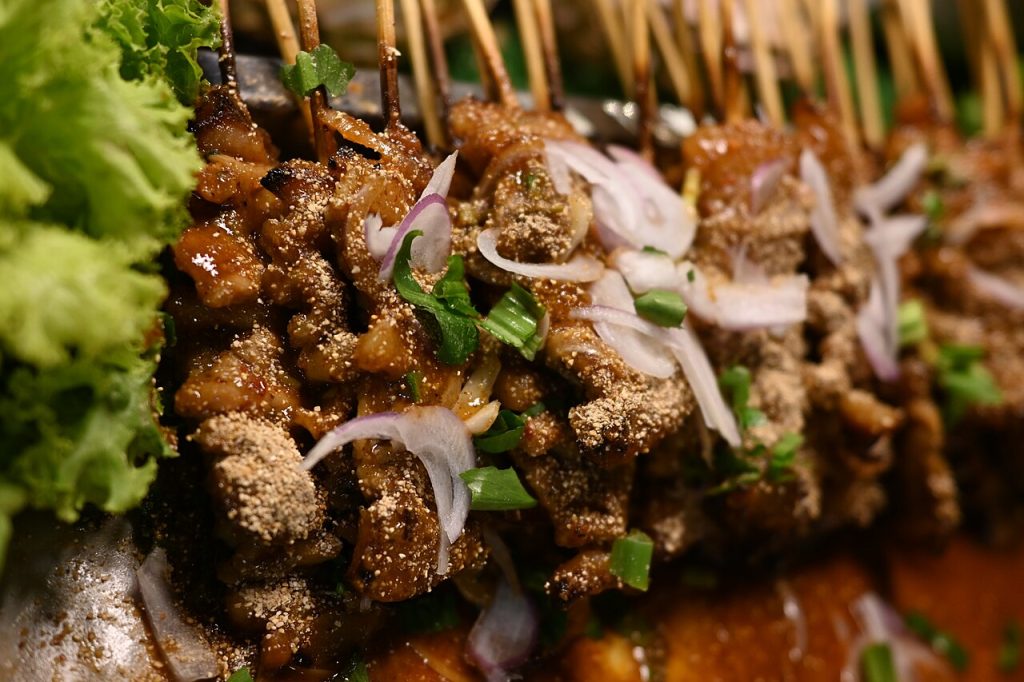
Marinated meat skewers served with a savory peanut sauce and a tangy cucumber salad. Satay is perfect for sharing and often found at night markets.
2.5 Soto (Noodle Soup)
A comforting broth filled with noodles, chicken or beef, hard‑boiled egg, and herbs. Each region has its own version, but the base is always aromatic and flavorful.
3. How to Order Like a Local
3.1 Start with Rice
Rice is a universal base. If you’re unsure, ask for “nasi putih” (plain white rice) or “nasi uduk” (coconut‑milk rice). Pair it with a small side dish to explore flavors.
3.2 Balance the Tastes
Indonesian dishes often balance sweet, salty, spicy, and sour. If a dish feels too hot, ask for less chili. If it’s too bland, request extra lime or tamarind.
3.3 Try the Street Food
Street stalls in Jakarta, Surabaya, or Bandung offer the most authentic flavors. Look for vendors with a steady line of customers—good food draws crowds!
4. Practical Tips for Beginners
- Bring cash – Many smaller eateries accept only Rupiah.
- Use a phrasebook – Simple phrases like “terima kasih” (thank you) and “berapa?” (how much?) go a long way.
- Mind the spice level – Ask for “rendah” (low) if you’re not accustomed to heat.
- Try local markets – Fresh ingredients and quick bites are a staple in Indonesian life.
- Respect dining etiquette – Use the right hand for sharing dishes; keep your chopsticks upright when resting.
5. Cultural Insights: Dining Etiquette & Etiquette
In Indonesia, food is a communal experience. Meals are often shared from a central platter. It’s customary to try a bit of everything, even if you’re not a fan of a particular dish. When eating, keep the following in mind:
- Use the right hand for eating and passing food.
- Finish the rice bowl to show respect for the cook.
- Don’t leave a dish half‑eaten unless it’s a specialty item you truly dislike.
- Accept small portions of desserts; they’re often rich and sweet.
Conclusion
Indonesian cuisine invites you to explore a world of flavors that are both comforting and adventurous. From the comforting embrace of nasi goreng to the fiery depths of rendang, each dish tells a story of regional pride and culinary mastery. Use this guide as a starting point, and let your taste buds lead the way. Bon appétit, or as the locals say, “Selamat makan!”