
Introduction
Japanese food is often celebrated for its elegance and seasonal focus, but its principles can be applied to everyday cooking too. The emphasis on balance, fresh ingredients, and mindful preparation means that you can create delicious, wholesome meals without spending hours in the kitchen. This guide shows how to infuse everyday meals with Japanese inspiration, from quick breakfasts to satisfying dinners.

Why Japanese Cuisine Works for Everyday Cooking
There are three key reasons Japanese dishes translate well into daily life:
- Seasonality – Using produce that’s in season keeps flavors bright and reduces waste.
- Umami balance – A subtle depth of flavor can transform simple ingredients into something memorable.
- Portion control – Small, balanced plates encourage mindful eating and prevent overeating.
Breakfast: Quick, Nutritious Starts
Instead of a heavy Western breakfast, try a Japanese-inspired bowl that’s both energizing and easy to make.
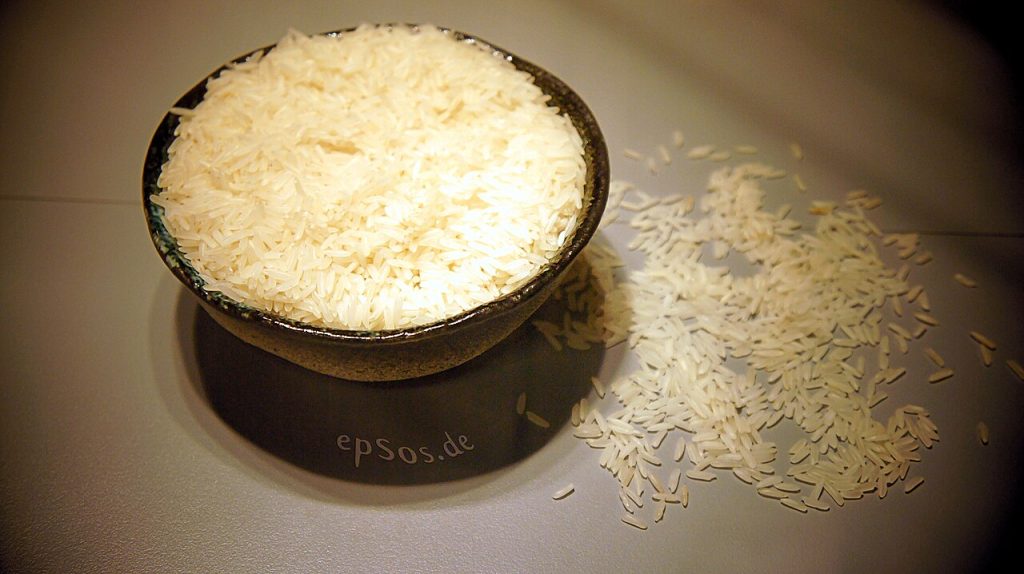
- Rice & tamago omelet: Cook a thin Japanese omelet with a touch of soy sauce and fold it over a bowl of steamed rice. Sprinkle with sesame seeds for a nutty crunch.
- Green tea smoothie: Blend matcha powder with frozen banana, spinach, and a splash of oat milk for a caffeine boost that also packs greens.
- Miso soup: A warm, salty soup made with miso paste, tofu cubes, and scallions is a comforting way to start the day.
Lunch: Bento-Style Convenience
Pack a bento box that combines protein, veggies, and carbs for a balanced midday meal.
- Grilled chicken teriyaki: Marinate thin chicken strips in a simple teriyaki sauce and grill until caramelized.
- Edamame & carrot sticks: Lightly salted edamame and crisp carrot sticks offer a satisfying crunch.
- Pickled daikon: A few slices of pickled radish add a tangy bite and aid digestion.
Dinner: Embracing Umami Without the Fuss
Even on busy nights, you can create dishes that feel luxurious yet require minimal prep.
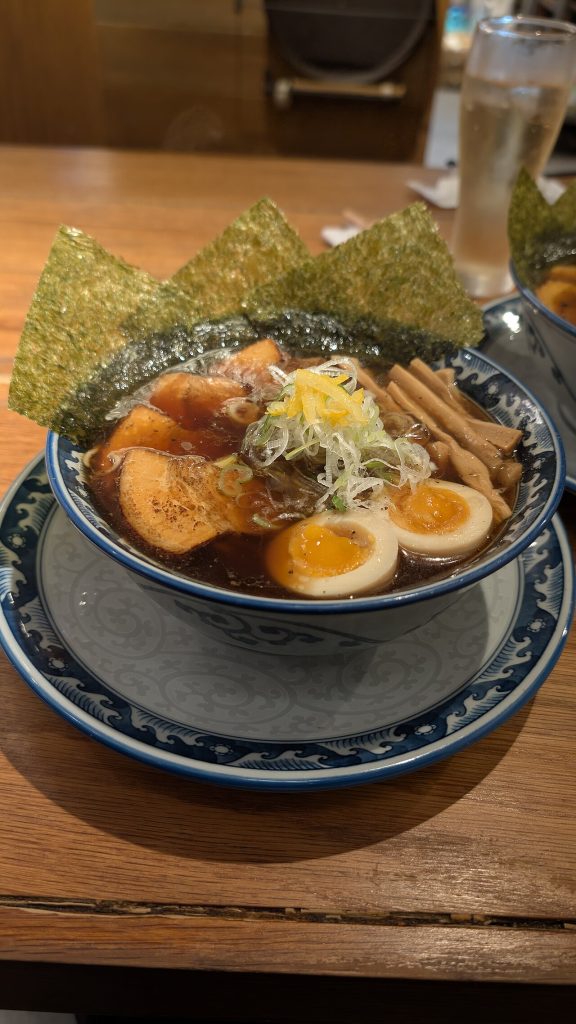
- Shoyu ramen in a pot: Use instant ramen noodles, add a splash of soy sauce, a beaten egg, and a handful of spinach. Finish with a drizzle of sesame oil.
- Stir-fried shiitake mushrooms: Sauté mushrooms with garlic, soy sauce, and a touch of mirin for an earthy flavor.
- Rice & nori rolls: Roll seasoned rice in a sheet of nori with cucumber and avocado for a light, satisfying plate.
Snack & Dessert: Simple Sweet Treats
Japanese sweets are often light and use natural sweeteners.
- Matcha shaved ice: Crushed ice topped with matcha powder and a drizzle of honey creates a refreshing treat.
- Rice cakes with azuki paste: Sweetened red bean paste spread on small rice cakes offers a quick, protein-rich snack.
- Yogurt with yuzu zest: Combine plain yogurt with a pinch of yuzu peel for a citrusy, tangy flavor.
Practical Tips for Bringing Japanese Flavor Home
- Stock the pantry: Keep miso paste, soy sauce, mirin, rice vinegar, and sesame oil on hand.
- Use a rice cooker: A simple rice cooker can produce perfectly cooked rice every time, freeing up stove time.
- Prep once, eat twice: Cook extra protein or vegetables at the start of the week for quick reheats.
- Mindful seasoning: Start with small amounts of soy or miso and adjust to taste to avoid overpowering the dish.
Conclusion
Japanese cuisine offers a roadmap for creating flavorful, balanced meals that fit into any daily routine. By focusing on fresh, seasonal ingredients, subtle umami, and simple preparations, you can elevate breakfast, lunch, dinner, and even snacks. Start experimenting with one of the ideas above, and watch how the taste of Japan becomes a regular part of your kitchen.