
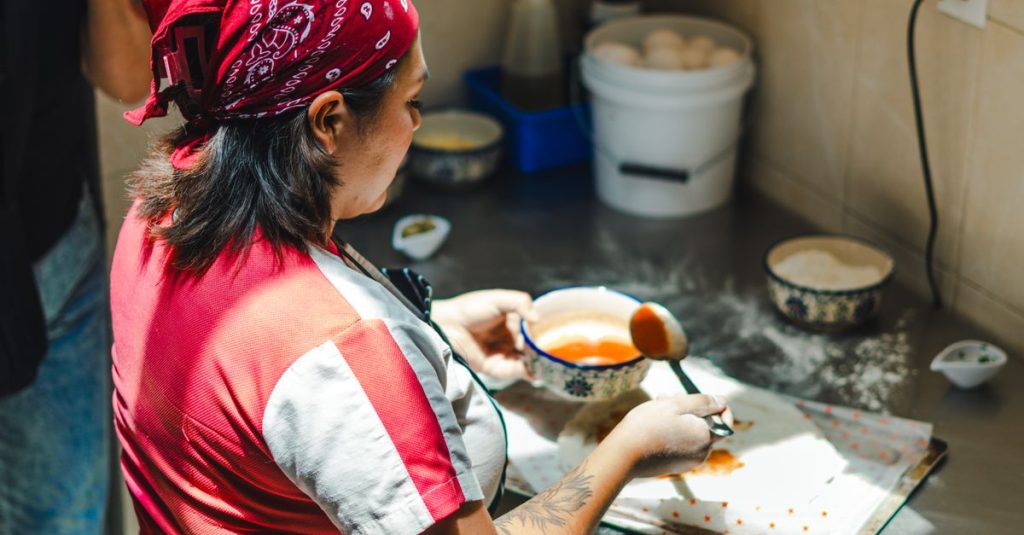
Bringing the World to Your Kitchen: The Art of Authentic Recipes
There is a distinct kind of magic that happens when you cook a dish rooted in another culture. Food carries history, geography, and the spirit of the people who created it. When we prepare traditional dishes in our home kitchens, we aren’t just following a set of instructions; we are participating in a global conversation across generations and borders.
Welcome to our exploration of authentic global cuisine. Today, we are taking a trip to the sun-drenched coast of Southern Italy to master a beloved classic: Authentic Italian Spaghetti Carbonara. Forget the cream, the peas, and the pre-grated cheese. We are making the real deal—a dish that relies on just a handful of humble ingredients working in absolute harmony.
What is Spaghetti Carbonara?
Spaghetti Carbonara is a traditional pasta dish from Rome made with cured pork, hard cheese, eggs, fresh black pepper, and pasta. Unlike heavy, cream-based pasta dishes, authentic Carbonara gets its velvety, luxurious sauce entirely from the emulsion of rendered pork fat, starchy pasta water, and grated cheese mixed with raw eggs. The residual heat of the freshly cooked pasta gently cooks the eggs into a silky sauce without scrambling them.
Country and Cultural Background
Originating in the Lazio region of Italy, the exact history of Carbonara is fiercely debated by food historians. Some theories suggest it was created in the mid-20th century, popularized by Roman coal miners (hence the name, derived from carbone, the Italian word for coal). Others suggest it evolved from traditional rural Italian dishes or was influenced by American rations (bacon and powdered eggs) during World War II. Regardless of its exact origins, Carbonara stands today as a pillar of modern Roman cuisine, celebrated for its bold simplicity.
Classic Roman Spaghetti Carbonara Recipe
This recipe yields 4 generous servings and uses authentic ingredients that you can easily find at your local supermarket or specialty Italian grocer.
Ingredients with Quantities
- 1 lb (450g) Spaghetti or Rigatoni
- 7 oz (200g) Guanciale (cured pork jowl), sliced into 1/4-inch thick strips (substitutes below)
- 4 large whole eggs (room temperature)
- 1 cup (100g) Pecorino Romano cheese, freshly grated (plus extra for serving)
- Freshly cracked black pepper (generous amount)
- Kosher salt (for the pasta boiling water)
Step-by-Step Instructions
- Boil the water: Bring a large pot of water to a boil. Add a handful of kosher salt. The water should taste like the sea, but not overly salty, as the guanciale and cheese will add plenty of saltiness later.
- Prep the pork: Cut the guanciale into bite-sized strips or cubes. Place the guanciale in a cold skillet (preferably cast iron or stainless steel) and turn the heat to medium-low. Rendering the fat slowly allows it to melt out without burning the meat. Cook until the fat is translucent and the edges of the pork are crispy and golden (about 8–10 minutes). Remove the skillet from the heat, but leave the rendered fat in the pan.
- Make the egg mixture: While the pork cooks, crack the eggs into a medium mixing bowl. Whisk them thoroughly. Add the freshly grated Pecorino Romano cheese and a generous amount of freshly cracked black pepper. Whisk until a thick paste forms.
- Cook the pasta: Drop the spaghetti into the boiling water and cook until *al dente* according to the package instructions (usually about 1 minute less than package time).
- Reserve the water: Just before draining the pasta, ladle out about 1 cup of the starchy pasta cooking water and set it aside. Drain the pasta.
- Combine pasta and pork: Add the drained hot pasta directly into the skillet with the warm guanciale and its rendered fat. Toss well so the pasta absorbs the savory fat.
- Create the sauce: Ensure the skillet is off the heat. Pour the egg and cheese mixture over the pasta while vigorously tossing and stirring the pasta with tongs. Slowly pour in a splash of the reserved pasta water. The heat from the pan and pasta will melt the cheese and thicken the eggs into a glossy, smooth sauce without scrambling them. Add more pasta water a tablespoon at a time if the sauce looks too thick.
- Serve immediately: Plate the pasta immediately. Top with extra freshly grated Pecorino Romano and another grind of black pepper.
Cooking Tips and Tricks
- Temperature control is everything: Never add the eggs to a pan that is sitting over an active burner, or you will end up with scrambled eggs and pasta. Always turn off the heat before adding the egg mixture.
- Use room temperature eggs: Cold eggs straight from the fridge are more prone to shocking and curdling when they hit the hot pasta. Let them sit on the counter for 30 minutes before cooking.
- Grate your own cheese: Pre-shredded cheese from a bag contains anti-caking agents and cellulose that prevent it from melting smoothly into a creamy sauce. Buy a block of Pecorino Romano and grate it on a microplane.
Substitutions
- Guanciale: If you cannot find guanciale, traditional Italian pancetta is the next best substitute. In a pinch, thick-cut American bacon can be used, though it will have a smokier flavor.
- Pecorino Romano: Parmigiano-Reggiano can replace Pecorino Romano, though Parmigiano is slightly nuttier and less sharp than Pecorino. You can also use a 50/50 blend of both.
- Pasta: While spaghetti is classic, rigatoni or bucatini also hold the rich sauce exceptionally well.
Common Mistakes to Avoid
- Adding cream: Authentic Carbonara never contains heavy cream or milk. The creaminess comes strictly from the chemical reaction between the fat, starchy water, and eggs.
- Over-salting the water: Because guanciale and Pecorino Romano are both intensely salty cured ingredients, be conservative with the salt you add to your pasta boiling water.
- Rinsing the pasta: Never rinse cooked pasta with water. Rinsing washes away the surface starches that are essential for binding the sauce to the noodles.
Serving Suggestions
Because Carbonara is a rich, hearty, and decadent dish, it pairs best with lighter, crisp accompaniments that cut through the richness:
- A simple green arugula salad dressed with a bright lemon-and-olive-oil vinaigrette.
- A crisp, dry white Italian wine such as Frascati, Verdicchio, or Pinot Grigio.
- A loaf of crusty rustic Italian bread to mop up any leftover sauce on the plate.
Variations
- Carbonara di Mare (Seafood): A coastal twist where cured pork is replaced with fresh seafood like mussels or shrimp (though this departs significantly from Roman tradition).
- Vegetarian Mushroom Carbonara: Swap the guanciale for earthy pan-seared mushrooms cooked in olive oil, relying on the mushrooms’ savory umami to anchor the dish.
- Carbonara con Tartufo: Finish the classic dish with a light shaving of fresh black or white truffle right before serving for an elevated, aromatic experience.
Frequently Asked Questions
Can I make Carbonara ahead of time?
No, Carbonara is a dish meant to be eaten immediately upon preparation. As it sits, the sauce continues to thicken and can lose its velvety texture. Reheating leftovers often results in scrambled eggs and separated fat.
Is it safe to eat the raw eggs in Carbonara?
Yes. The residual heat from the freshly boiled pasta, the hot starchy water, and the warm skillet is more than enough to temper and safely cook the eggs to a creamy consistency, provided you are using fresh, high-quality eggs.
Why did my eggs scramble?
Your eggs scrambled usually for one of two reasons: either the skillet was still sitting over an active burner, or the pasta was too hot when the eggs were added. Always remove the pan from the heat source before introducing the egg mixture.
Can I use just egg yolks instead of whole eggs?
Many traditional chefs use a mix of whole eggs and extra yolks (e.g., 2 whole eggs and 2 yolks) to create an even richer, deeper golden sauce. You can experiment with this ratio to find your preferred texture.
Conclusion
Mastering authentic recipes like Spaghetti Carbonara reminds us why home cooking is so rewarding. With just five basic ingredients and a little bit of technique, you can transport yourself straight to a cozy trattoria in Rome without ever leaving your kitchen. Don’t be discouraged if your first attempt requires a gentle adjustment of heat and water—cooking is a craft, and every delicious plate is a success. Buon appetito!