
Introduction
Thai food is celebrated worldwide for its vibrant balance of sweet, sour, salty, and spicy notes. Yet, many people think Thai cooking is only for special occasions or restaurants. In reality, the techniques and ingredients used in Thai dishes can be adapted for everyday meals, offering fresh inspiration and nutrition without a lot of time or expense. This guide will walk you through the core elements of Thai flavor, quick recipes for busy days, mindful eating practices, and a list of pantry staples that keep you ready to create delicious dishes at any moment.
The Essence of Thai Flavors
Thai cuisine’s distinctive taste stems from a handful of aromatic ingredients that work together to create depth and complexity. Understanding these foundations allows you to experiment confidently.
- Fresh Herbs: Basil, cilantro, mint, and lemongrass bring bright, citrusy notes.
- Spices: Chili, galangal, and cardamom add heat and warmth.
- Acids: Lime juice, tamarind, and fish sauce provide bright, umami-rich tang.
- Sweeteners: Palm sugar and coconut milk create subtle sweetness.
- Oils: Peanut and coconut oil deliver a silky mouthfeel and carry flavors.
When you combine these ingredients in the right proportions, you unlock the “sweet-sour-salty-spicy” harmony that defines Thai dishes. Even a simple stir‑fry can become a culinary adventure if you pay attention to balance.
Quick Thai Recipes for Busy Days
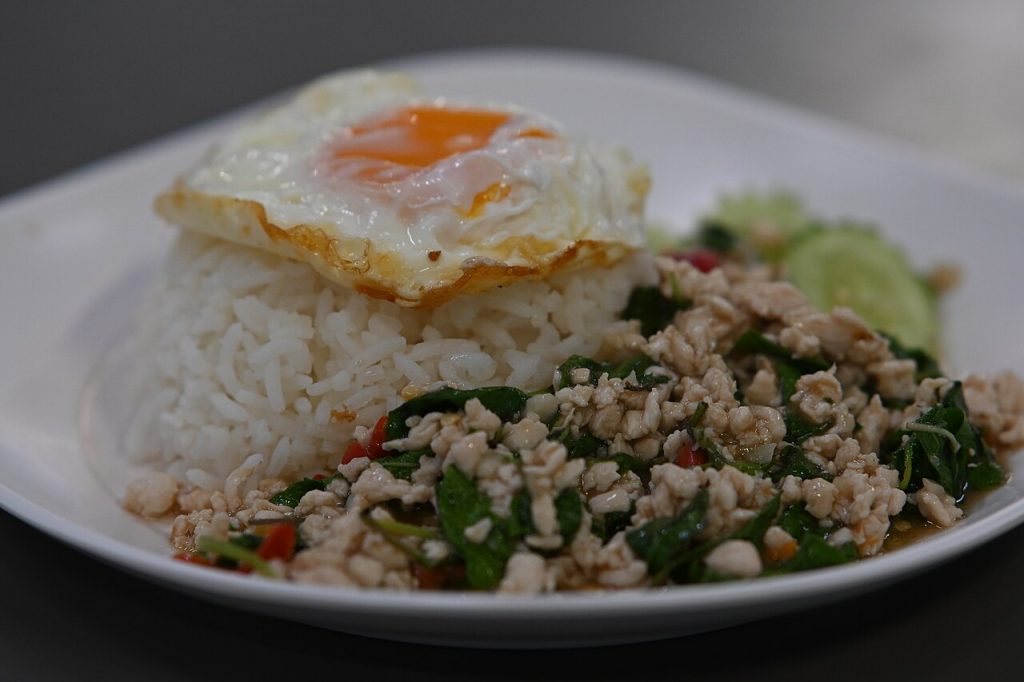
1. One‑Pan Thai Basil Chicken
This classic dish can be prepared in under 20 minutes. Sauté minced garlic, sliced chilies, and diced chicken breast in a splash of oil. Add a handful of chopped basil, a drizzle of fish sauce, and a squeeze of lime. Finish with a pinch of palm sugar. Serve over jasmine rice or spiralized zucchini for a low‑carb option.
2. Coconut Curry Veggie Bowl
Heat coconut oil in a pot, add sliced onion, and stir in a tablespoon of red curry paste until fragrant. Pour in a can of coconut milk, bring to a simmer, and add your favorite vegetables—carrot sticks, bell pepper, broccoli, and tofu cubes. Cook until veggies are tender. Season with lime juice and fish sauce, then top with fresh cilantro. Pair with quinoa or rice noodles.
3. Thai Peanut Noodles
Boil rice noodles according to package instructions. Whisk together peanut butter, soy sauce, lime juice, honey, and a splash of water to make a quick sauce. Toss the noodles with shredded carrots, sliced cucumber, and a handful of chopped peanuts. Drizzle sauce over the mixture, garnish with green onions, and enjoy.
Mindful Eating: Thai Food and Wellness
Beyond flavor, Thai cuisine offers numerous health benefits. The use of fresh herbs and spices can boost metabolism, reduce inflammation, and improve digestion. Incorporating Thai-style meals into a balanced diet encourages mindful eating practices:
- Portion Control: Use the “rice bowl method”—half your plate with vegetables, a quarter with protein, and a quarter with rice or noodles.
- Fermented Foods: Pickled vegetables and fermented fish sauce provide probiotics for gut health.
- Mindful Spices: Chili stimulates endorphin release, helping to elevate mood.
Seasonal Thai Ingredients to Stock
Having key ingredients on hand means you can whip up a Thai dish any time. Below is a list of staples that remain affordable and are usually available year‑round:
- Red, green, and yellow Thai chilies
- Lemongrass stalks
- Galangal root
- Fish sauce and oyster sauce
- Palm sugar or brown sugar
- Fresh basil, cilantro, mint
- Coconut milk (canned or fresh)
- Rice noodles and jasmine rice
- Thai fish sauce (for a more authentic taste)
- Peanut butter (smooth or crunchy)
Practical Tips for Authentic Taste at Home
- Use a Mortar & Pestle: For fresh chilies, lemongrass, and spices, a mortar & pestle releases essential oils better than a blender.
- Prep Ahead: Slice chilies and herbs in a batch, store in the fridge, and use throughout the week.
- Balance Acidity: Taste as you cook. A touch of lime or tamarind can cut through richness.
- Adjust Heat: Remove seeds from chilies to reduce spiciness, or keep them for a fiery kick.
- Use Fresh Fish Sauce: It has a more vibrant flavor than bottled varieties, but be cautious—start with less and add gradually.
Conclusion
Thai cuisine offers a treasure trove of flavors that can transform ordinary meals into memorable experiences. By understanding the foundational ingredients, mastering a few quick recipes, and maintaining a well‑stocked pantry, you can bring the taste of Thailand into your everyday routine. Pair these dishes with mindful eating practices and you’ll enjoy both culinary delight and healthful nourishment. Start today—your taste buds, and your body, will thank you.