Introduction
Japanese food is celebrated worldwide for its delicate flavors, meticulous presentation, and healthful ingredients. Whether you’re a culinary novice or a seasoned foodie looking to deepen your knowledge, this guide will walk you through the essential elements of Japanese cuisine, highlight classic dishes, and offer practical advice to help you start cooking and dining like a local.
What Makes Japanese Cuisine Unique?
At its core, Japanese food emphasizes seasonality, balance, and harmony. The culinary philosophy revolves around shoku shinkō (food as medicine) and ma (the space between elements), ensuring each dish is a sensory experience that respects its ingredients.
Staple Ingredients You Should Know
- Soy Sauce (Shoyu) – A versatile umami base for sauces, marinades, and dipping.
- Miso – A fermented soybean paste that adds depth to soups and dressings.
- Rice – Short‑grain Japanese rice is sticky and essential for sushi, donburi, and everyday meals.
- Nori – Seaweed sheets used for sushi rolls and as a garnish.
- Wasabi and Pickled Ginger – Classic accompaniments that cleanse the palate and enhance flavor.
- Mirin and Sake – Sweet rice wine and alcoholic seasoning that balance dishes.
- Shiitake, Enoki, and Bamboo Shoots – Common mushrooms and vegetables that provide texture and aroma.
Regional Specialties: A Taste of Japan
Japan’s diverse geography has birthed distinct regional dishes, each reflecting local ingredients and traditions. Below are a few highlights:
- Hokkaido – Known for fresh seafood and creamy dairy, try seafood ramen and Hokkaido cream cheese desserts.
- Kyoto – Emphasizes kaiseki (multi‑course) dining, with seasonal vegetables and subtle flavors.
- Osaka – The “kitchen of Japan,” famous for street foods like takoyaki and okonomiyaki.
- Fukuoka – Renowned for tonkotsu ramen, a pork bone broth that’s rich and silky.
Must‑Try Classic Dishes
Sushi and Sashimi
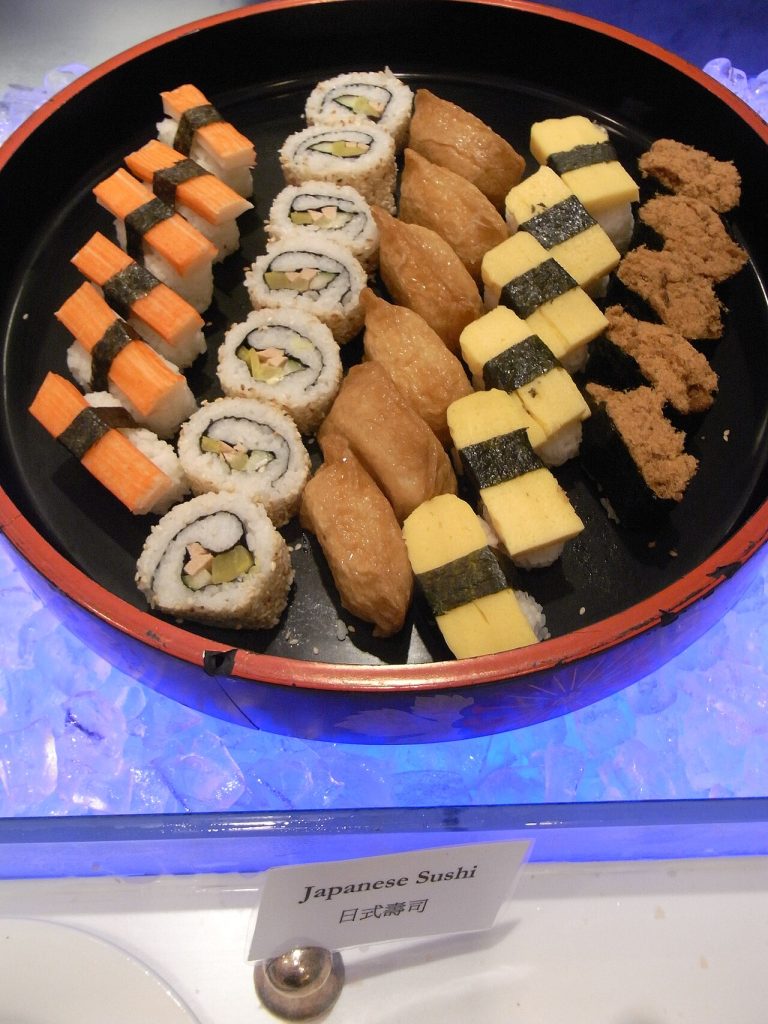
Beyond simple nigiri, explore maki rolls, temaki hand rolls, and the artistry of sashimi—thinly sliced raw fish served with soy sauce and wasabi.
Ramen
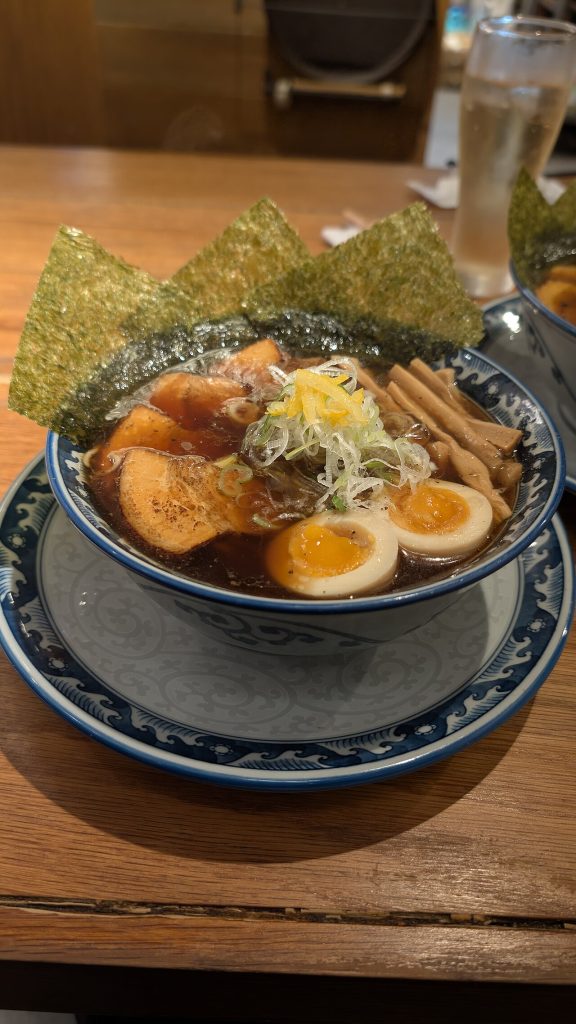
Each ramen style—shoyu, miso, shio, and tonkotsu—offers a unique broth base. Pair with toppings like chashu (braised pork), boiled egg, and bamboo shoots.
Tempura
Light, airy batter‑fried seafood or vegetables, often served with a dashi‑based dipping sauce. The key is a cold batter and a quick fry to maintain crispness.
Okonomiyaki
A savory pancake made with cabbage, seafood or pork, and topped with mayonnaise, okonomiyaki sauce, and bonito flakes.
Practical Tips for Beginners
- Start with Simple Recipes – Master the basics of rice, miso soup, and a simple sushi roll before tackling complex dishes.
- Buy Fresh, Seasonal Ingredients – Visit a local Japanese grocery or farmers market for the freshest produce and seafood.
- Use the Right Tools – A good Japanese chef’s knife, a rice cooker, and a bamboo sushi rolling mat can make a big difference.
- Respect Dining Etiquette – Eat politely: say “itadakimasu” before a meal and “gochisousama deshita” after.
- Practice Portion Control – Japanese dishes emphasize balance; small portions of multiple courses create a satisfying meal.
Where to Eat Authentic Japanese Food
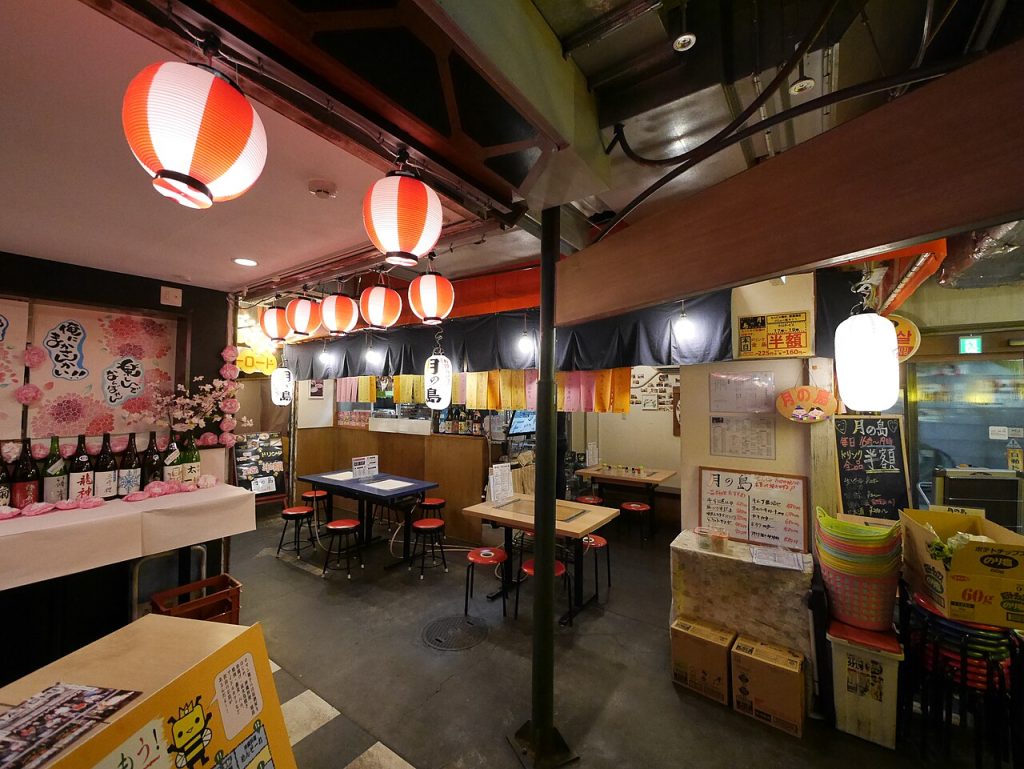
If you’re not ready to cook, start by visiting reputable restaurants. Look for places that source fresh fish, use seasonal ingredients, and serve traditional dishes with a respectful touch.
Conclusion
Japanese cuisine invites exploration, encouraging a deeper appreciation for simple, high‑quality ingredients and thoughtful preparation. With the foundational knowledge and practical advice provided, you’re ready to begin your culinary journey—whether by cooking at home or discovering authentic eateries around the world.