
Introduction
Japanese cuisine is celebrated for its balance, subtlety, and fresh ingredients. Yet many home cooks think it requires exotic tools or a full pantry of specialty items. The truth is that a few basic techniques and ingredients can unlock a world of flavor. Below are practical, actionable tips that you can start using right away, whether you’re a beginner or looking to refine your skills.
Master the Basics of Rice & Noodles
Rice is the foundation of most Japanese meals. Its texture and flavor hinge on the type of rice, the washing method, and the cooking time.
- Choose the right rice. Short‑grain Japanese rice (also called sushi rice) is sticky and perfect for sushi, onigiri, and side dishes. For ramen or donburi, long‑grain or medium‑grain varieties hold up better.
- Wash before cooking. Rinse the rice under cold water until the water runs clear to remove excess starch. This prevents the grains from becoming gummy.
- Use the right water ratio. A general rule is 1 cup of rice to 1.2–1.3 cups of water for a rice cooker, or 1:1.2 for stovetop cooking. Adjust slightly based on humidity or altitude.
- Let it rest. After the rice finishes cooking, let it sit covered for 10 minutes. This step allows steam to finish the job and results in a fluffy texture.
When it comes to noodles, the same principles apply—clean the water, use the right amount of salt, and cook al dente. A simple trick: add a splash of sesame oil to the boiling water for ramen or udon to keep the strands from sticking.
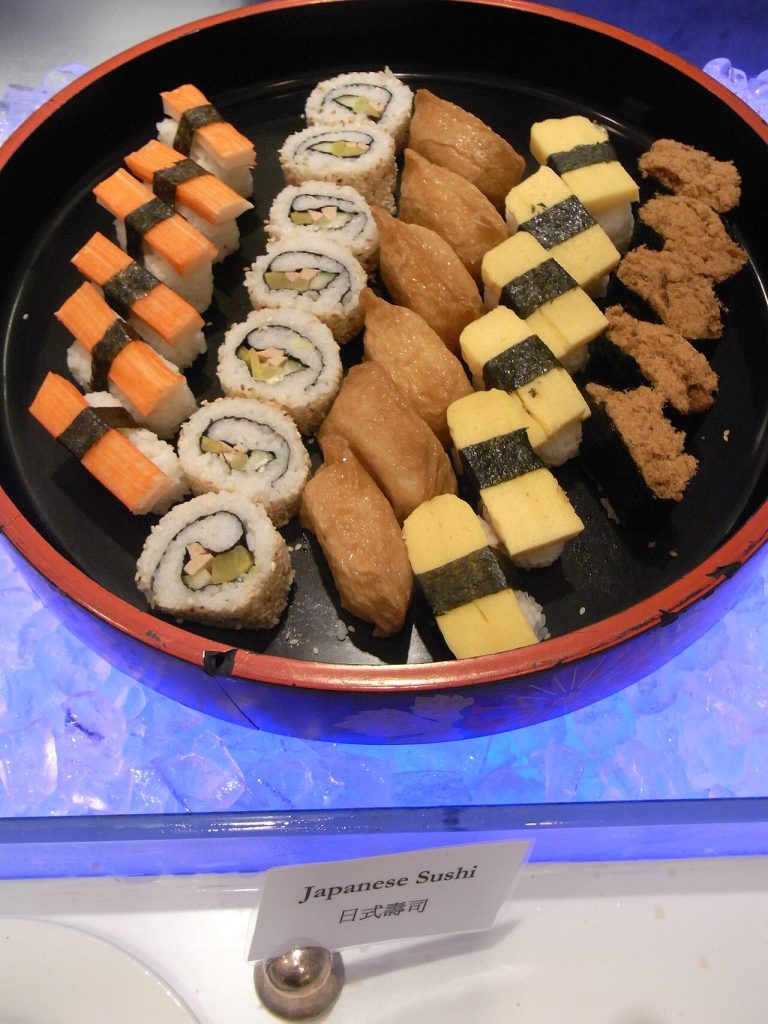
Flavor Foundations: Soy, Mirin, Miso
These three ingredients are the backbone of Japanese flavor profiles. Knowing how to use them correctly saves time and elevates your dishes.
- Low‑sodium soy sauce. Store it in a cool, dark place. If you’re watching sodium, choose a reduced‑sodium version, but keep in mind that many traditional recipes call for the full strength to balance sweet or umami elements.
- Mirin. A sweet rice wine, mirin adds a subtle caramel note. If you can’t find it, replace it with a mixture of rice vinegar and a touch of sugar.
- Miso paste. Available in white, yellow, and red varieties, miso’s saltiness and depth of flavor grow with age. Use white or yellow miso for lighter soups and sauces, and red for hearty stews.
- Combining the three. A quick and versatile sauce: 2 tbsp soy sauce, 1 tbsp mirin, 1 tsp miso, and a splash of sesame oil. Stir until the miso dissolves and use it as a dipping sauce, glaze, or stir‑fry base.
These basics mean you can whip up a sauce in seconds that feels authentically Japanese.
Quick and Tasty Breakfast Ideas
Breakfast in Japan is often a light affair—think miso soup, rice, and a protein. You can recreate these staples without a full kitchen.
- Instant miso soup. Dissolve a miso paste packet in hot water, add a handful of frozen spinach or sliced shiitake mushrooms, and finish with a sprinkle of scallions.
- Onigiri with a twist. Shape leftover rice into triangles, press a small piece of tuna mayo or salmon inside, and wrap with nori. Grill on a pan or microwave for a quick snack.
- Egg and nori toast. Fry a sunny‑side‑up egg, place on toasted bread, sprinkle with nori flakes, and drizzle with a little soy sauce.
- Matcha smoothie. Blend a scoop of matcha powder with milk, a banana, and honey for a caffeine‑boosting start.
These breakfast options keep you satisfied and introduce you to the familiar tastes of Japanese mornings.
Smart Shopping & Storage
Eating Japanese food doesn’t require a trip to Tokyo. Here’s how to stock your pantry efficiently.
- Seasonal produce. Buy fresh daikon, Japanese eggplant, and bok choy during their peak seasons. They’re more affordable and taste better.
- Freeze what you can. Freeze leftover rice, fish, or vegetables in single‑serve bags. This preserves freshness and eliminates waste.
- Buy in bulk. Miso, soy sauce, and sesame oil are shelf‑stable. Buying larger quantities reduces the frequency of trips to the store.
- Use glass containers. Store sauces in airtight glass jars. They keep the flavors vibrant and are easy to reheat.
Dining Out Like a Local
When you visit a Japanese restaurant, these insights help you appreciate the menu and make the most of the experience.
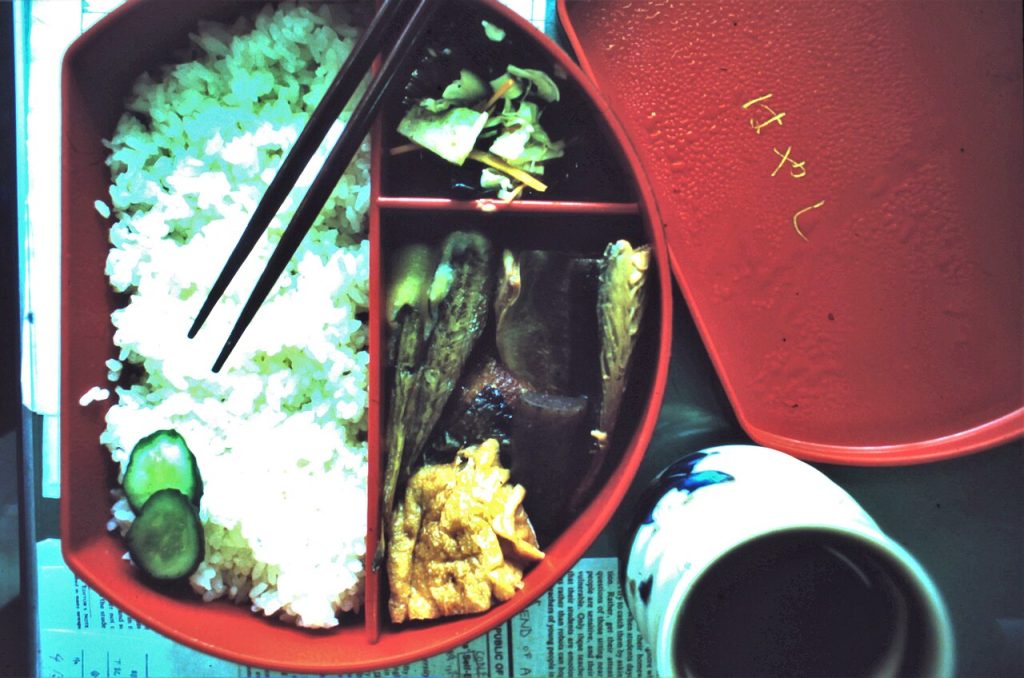
- Ask for the “bento” style. A bento box showcases a balanced meal: rice, protein, vegetables, and pickles. It’s a great way to sample a variety of flavors.
- Understand the menu layout. Sushi and sashimi sections are usually near the front, while ramen and donburi sit towards the back. Knowing this can help you navigate quickly.
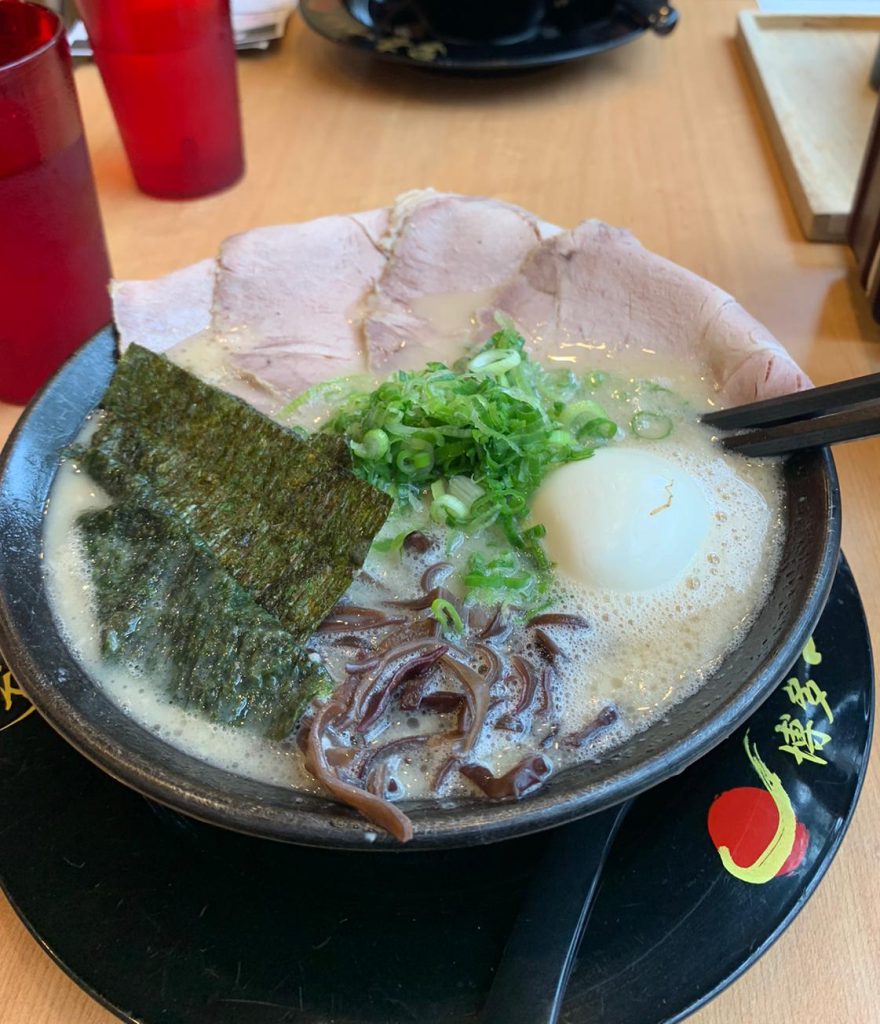
- Try the “tare” sauces. Many ramen shops offer a choice of tonkotsu, shoyu, or miso tare. Sampling each gives you a taste of the range of umami profiles.
- Pair with sake. If you’re open to trying Japanese rice wine, a light, dry sake complements most dishes and enhances the subtle flavors.
Conclusion
Japanese cuisine thrives on precision, balance, and respect for ingredients. By mastering a few core techniques—proper rice cooking, sauce fundamentals, quick breakfast options, and smart shopping—you can bring authentic Japanese flavors into your home kitchen without feeling overwhelmed. These practical tips are designed to be straightforward and time‑saving, letting you enjoy the elegance of Japanese food in everyday life. Start small, experiment, and soon you’ll find yourself cooking like a true Japanese home cook.