
Thai food is celebrated worldwide for its balance of sweet, sour, salty, and spicy flavors. Whether you’re a novice cook or a seasoned foodie, this guide will help you navigate the basics of Thai cuisine and start creating delicious dishes in no time.
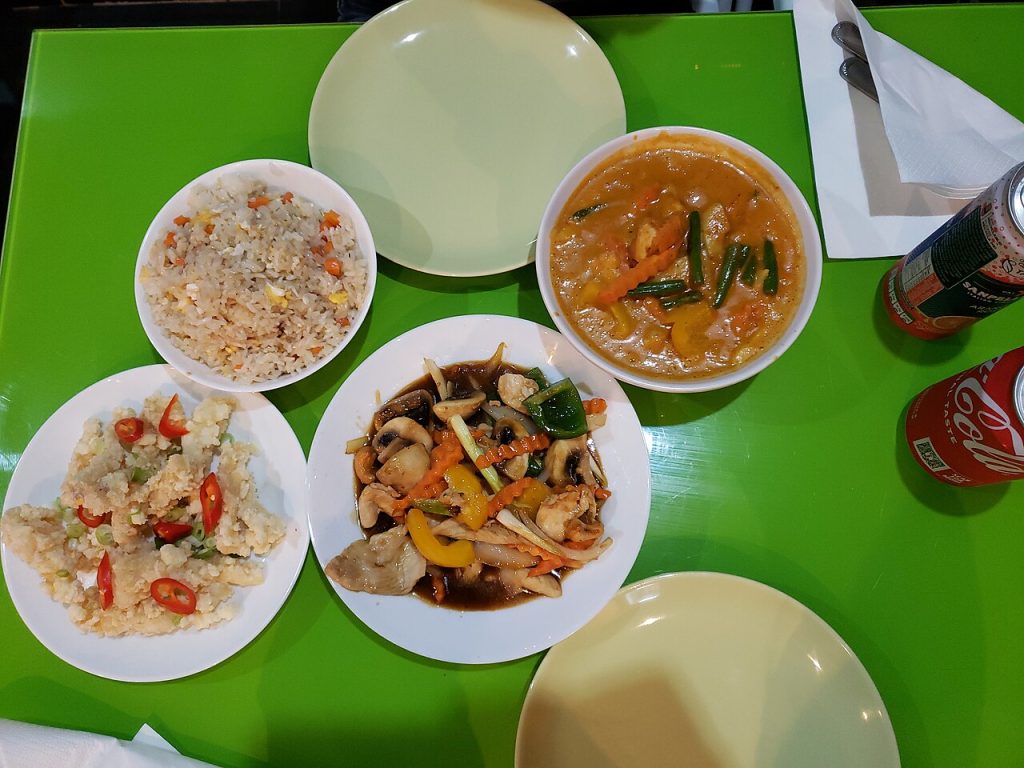
1. The Foundations of Thai Flavor
At the heart of Thai cooking is the harmonious blend of five core taste elements:
- Sweet – often from palm sugar or coconut milk.
- Sour – from lime juice, tamarind, or fermented fish.
- Salty – primarily fish sauce and shrimp paste.
- Umami – achieved with mushrooms, dried shrimp, or fermented soy.
- Spicy – fresh chilies add heat that can be adjusted to taste.
Mastering the balance of these flavors is key. Start by tasting each component separately before combining them, and remember that a good dish feels harmonious, not overpowering.
2. Essential Ingredients to Stock
Having a well-stocked pantry saves time and ensures authenticity. Here are the staples every Thai cook should keep on hand:
- Fish Sauce (Nam Pla) – the base of salty umami. Choose a reputable brand for a clean flavor.
- Shoyu (Soy Sauce) – used in some regional dishes and for seasoning.
- Shrimp Paste (Prah Pao) – a potent umami, use sparingly.
- Fresh Chilies – Thai bird’s eye chilies are small but fiery; you can substitute with red or green chilies.
- Lime Juice & Zest – fresh is best; lime adds brightness.
- Palm Sugar – gives a subtle, caramel-like sweetness.
- Coconut Milk – essential for curries and desserts.
- Fresh Herbs – cilantro, basil, mint, and kaffir lime leaves.
- Starch – jasmine rice, sticky rice, or rice noodles.
- Proteins – chicken, pork, beef, shrimp, tofu, and tempeh.
- Vegetables – bell peppers, broccoli, carrots, mushrooms, and leafy greens.
- Stock – chicken or vegetable stock for depth.
These ingredients are versatile, so once you have them, you can experiment with countless recipes.
3. Classic Dishes to Try
Start with these iconic dishes that showcase the range of Thai flavors. Each recipe is simple enough for beginners yet authentic enough to impress.
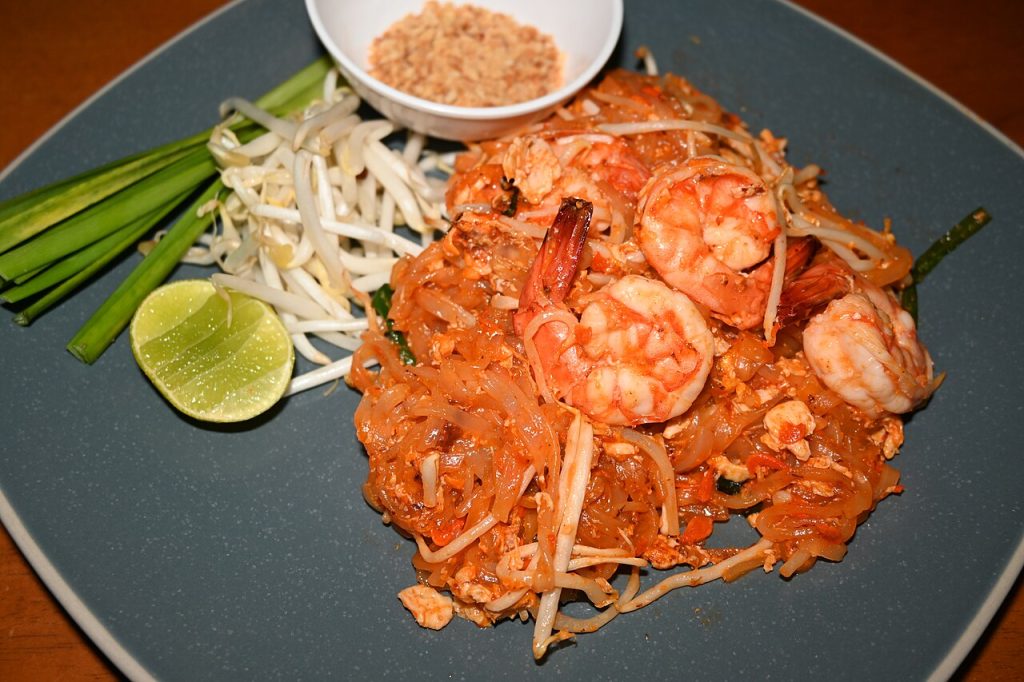
3.1 Pad Thai – Stir‑Fried Noodles
Pad Thai is a street‑food staple. The sauce is a quick mix of tamarind paste, fish sauce, palm sugar, and lime. Stir‑fry the noodles with eggs, bean sprouts, peanuts, and your choice of protein. Finish with a squeeze of lime and a sprinkle of fresh cilantro.
3.2 Green Curry – Spicy Coconut Delight
Use green curry paste, coconut milk, and a protein of choice. Add bamboo shoots, bell peppers, and Thai basil. Serve over steamed jasmine rice. The heat comes from fresh chilies in the paste, so adjust to taste.
3.3 Tom Yum Goong – Spicy Shrimp Soup
This bright, sour soup features lemongrass, galangal, kaffir lime leaves, chilies, and lime juice. Shrimp is the star, but you can substitute with chicken or tofu. Finish with a splash of fish sauce and a pinch of sugar for balance.
3.4 Som Tam – Green Papaya Salad
Shredded green papaya is pounded with chilies, garlic, fish sauce, lime, and palm sugar. Add tomatoes, green beans, and roasted peanuts. The pounding releases the papaya’s subtle sweetness while the chilies add heat.
3.5 Mango Sticky Rice – Sweet Dessert
Sticky rice cooked in coconut milk, served with ripe mango slices and a drizzle of sweet coconut sauce. It’s a simple, crowd‑pleasing treat that highlights the tropical flavors of Thailand.
4. Practical Tips for Shopping & Cooking
- Buy Fresh Herbs – The flavor of Thai dishes comes from fresh herbs. Visit a local market or Asian grocery store for the best selection.
- Use a Mortar & Pestle – Many Thai sauces are made by pounding ingredients. It releases essential oils and improves texture.
- Prep Ahead – Chop all vegetables and measure spices before cooking. Thai dishes cook quickly, so having everything ready keeps the process smooth.
- Start with Small Quantities – When using fish sauce or shrimp paste, begin with a small amount and taste. These ingredients are potent, and a little goes a long way.
- Balance the Flavors – Taste as you go. If something feels too sweet, add a splash of lime or a pinch of salt. If it’s too sour, a bit of sugar can help.
- Use the Right Heat – Thai cooking often uses a wok or a large pan. Keep the heat high for quick searing but reduce it when simmering coconut milk to prevent scorching.
5. Conclusion
Thai cuisine invites curiosity and experimentation. With a few core ingredients, an understanding of flavor balance, and these simple recipes, you’ll be able to create authentic dishes that celebrate Thailand’s culinary heritage. Grab your ingredients, fire up the stove, and enjoy the vibrant journey of Thai cooking.