Introduction
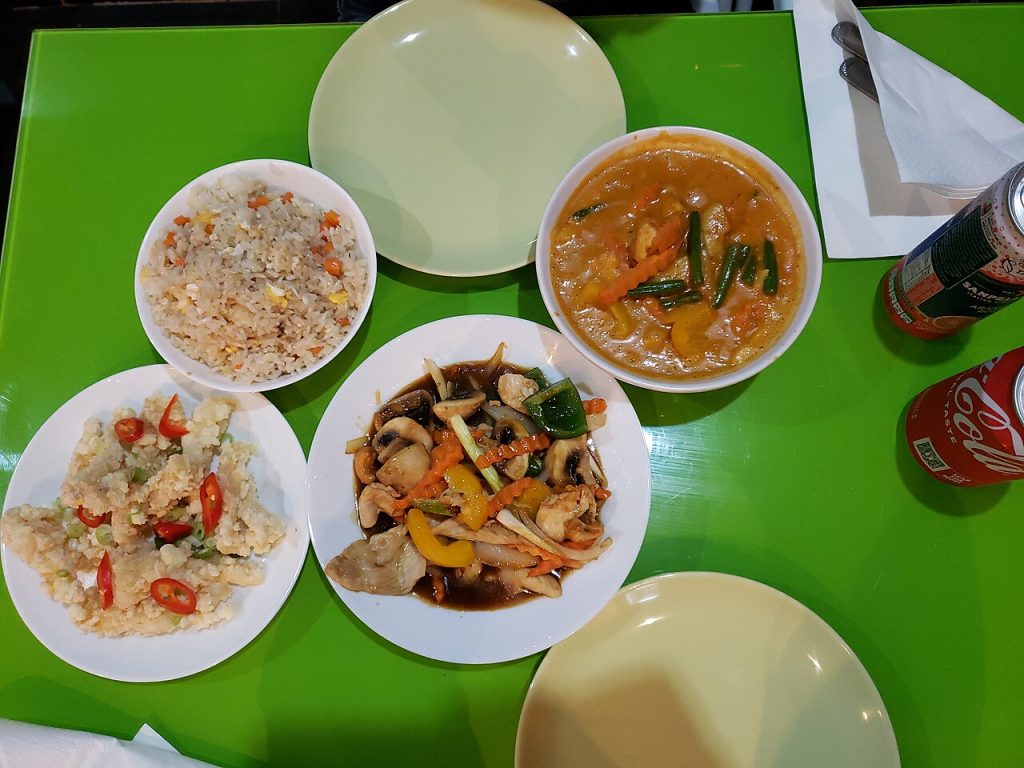
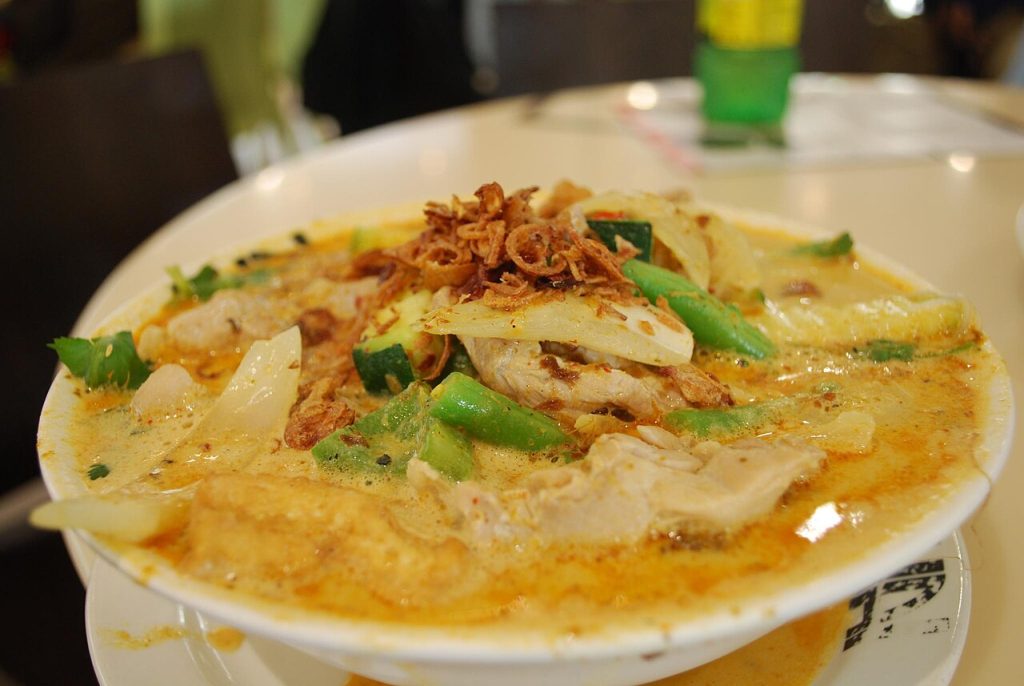
Thai cuisine is celebrated for its vibrant flavors, aromatic herbs, and harmonious balance of sweet, sour, salty, and spicy notes. Yet, many home cooks struggle to replicate authentic Thai dishes because of common missteps that can throw off the entire dish. This guide breaks down the most frequent mistakes, explains why they happen, and offers clear, actionable solutions so you can create delicious Thai meals every time.
1. Skipping Fresh Ingredients
One of the biggest reasons Thai dishes fall flat is the use of stale or low‑quality ingredients. Thai cooking relies heavily on the brightness of fresh herbs, the depth of fresh fish sauce, and the snap of fresh vegetables.
Fresh Herbs and Spices
Many cooks try to substitute dried basil or Thai chilies with their dried counterparts. Dried herbs lose much of their essential oils, resulting in a muted flavor profile. Likewise, dried chilies can taste harsh and lack the subtle heat that fresh chilies provide.
Fresh Seafood
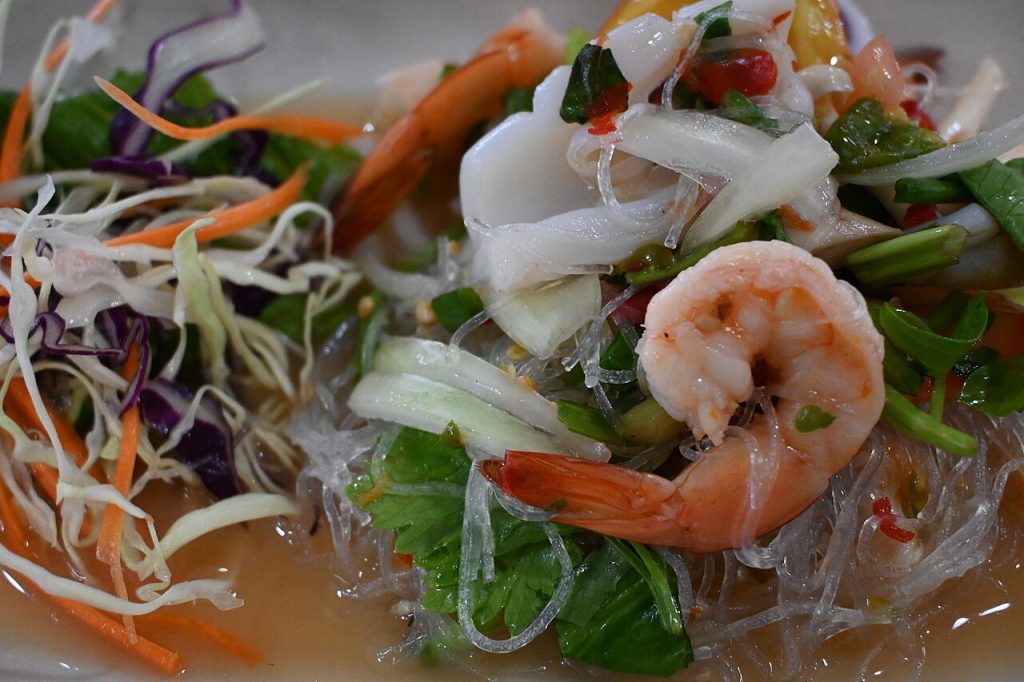
Thai seafood dishes—like tom yum goong—rely on the delicate flavor of fresh shrimp or fish. Using frozen or overly processed seafood can introduce off‑odors and a rubbery texture that distract from the dish’s intended freshness.
2. Ignoring Flavor Balance
Thai cooking is a science of equilibrium. A dish is only as good as its ability to juggle the five fundamental tastes. Skipping or misbalancing any one element can ruin the experience.
- Sweetness: Typically comes from palm sugar or cane sugar. Too much sugar can overwhelm the dish.
- Sourness: Lime juice or tamarind adds brightness. Over‑sourness can feel acidic.
- Saltness: Fish sauce or soy sauce provides umami depth. Excessive salt can make the dish cloying.
- Heat: Fresh chilies bring a clean heat; dried chilies can add a smoky, sometimes bitter, flavor.
- Umami: Soy sauce, fish sauce, and mushrooms create depth. Neglecting umami can leave the dish feeling thin.
3. Mismanaging Heat
Heat is a defining characteristic of Thai cuisine, but it’s easy to misjudge it.
Proper Chili Handling
Chopped chilies should be added early to release flavor, but adding them too late can result in a sharp, burning bite. For a milder heat, remove seeds and membranes; for more intensity, leave them in.
Cooking Technique
High‑heat stir‑frying is typical, but cooking at too low a temperature can cause ingredients to steam rather than fry, losing that coveted caramelized surface. Conversely, an overly hot pan can burn aromatics before they’re fully integrated.
4. Rice and Noodle Mistakes
Rice and noodles are the backbone of many Thai dishes. Common errors include:
Rice Cooking Mistakes
- Using the wrong rice: jasmine rice is the standard; jasmine is fragrant, long‑grain, and slightly sticky.
- Rinsing rice too vigorously, washing away essential starch that helps the grains cling together.
- Not allowing rice to steam after cooking, which can result in gummy texture.
Noodle Texture
Instant or pre‑cooked noodles often lack the chewiness of fresh or dried varieties. When using dried noodles, soak them briefly in hot water before cooking to soften them without over‑softening.
5. Common Mistakes to Avoid
- Using too much or too little fish sauce.
- Adding lime juice after the dish is plated, causing uneven flavor.
- Overcooking vegetables, leading to loss of color and crunch.
- Rushing the sauce reduction; a slow simmer allows flavors to meld.
- Neglecting to taste and adjust after each cooking stage.
6. Practical Tips for Success
Ingredient Preparation
Prep all ingredients before you start cooking. This “mise en place” approach ensures that you can maintain high heat and avoid missing key steps.
Taste Testing
After each cooking stage—especially after adding fish sauce, sugar, and lime—taste the dish and adjust. A small pinch of salt, a dash of sugar, or a squeeze of lime can transform a bland dish.
Presentation
Thai food is as much about visual appeal as flavor. Garnish with fresh cilantro, sliced chilies, or lime wedges. A simple, clean plate highlights the bright colors of the dish.
Conclusion
By paying close attention to ingredient freshness, flavor balance, heat management, and proper cooking techniques, you can avoid the most common pitfalls that plague Thai cooking. Remember to taste frequently, adjust on the fly, and present your dishes with a touch of flair. With these insights, you’ll be well on your way to mastering authentic Thai cuisine right in your own kitchen.