
Thai food is celebrated worldwide for its bold flavors, aromatic herbs, and harmonious balance of sweet, sour, salty, and spicy notes. Whether you’re a novice cook or simply craving a new culinary adventure, this guide will give you the confidence to explore Thailand’s rich food culture from the comfort of your kitchen.
The Flavor Profile of Thai Cuisine
Thai cooking thrives on contrast and freshness. Think bright lime, fiery chilies, fragrant lemongrass, and the umami depth of fish sauce. These elements combine to create dishes that are simultaneously complex and approachable. Understanding this flavor framework is the first step to mastering Thai cuisine.
Essential Ingredients Every Beginner Should Know
- Fish Sauce (Nam Pla) – A salty, savory liquid that provides depth. Use sparingly.
- Fresh Chilies – Red or green, they add heat. Adjust quantity to taste.
- Lime Juice – Bright acidity balances sweet and salty.
- Galangal – A root similar to ginger but with citrus undertones.
- Shallots – Add sweetness and mild onion flavor.
- Thai Basil – Sweet, slightly peppery, essential for many curries.
- Fresh Lemongrass – Provides citrusy aroma; bruise before adding.
- Peanuts – Toasted, ground, or whole for texture and nutty sweetness.
Classic Thai Dishes to Start With
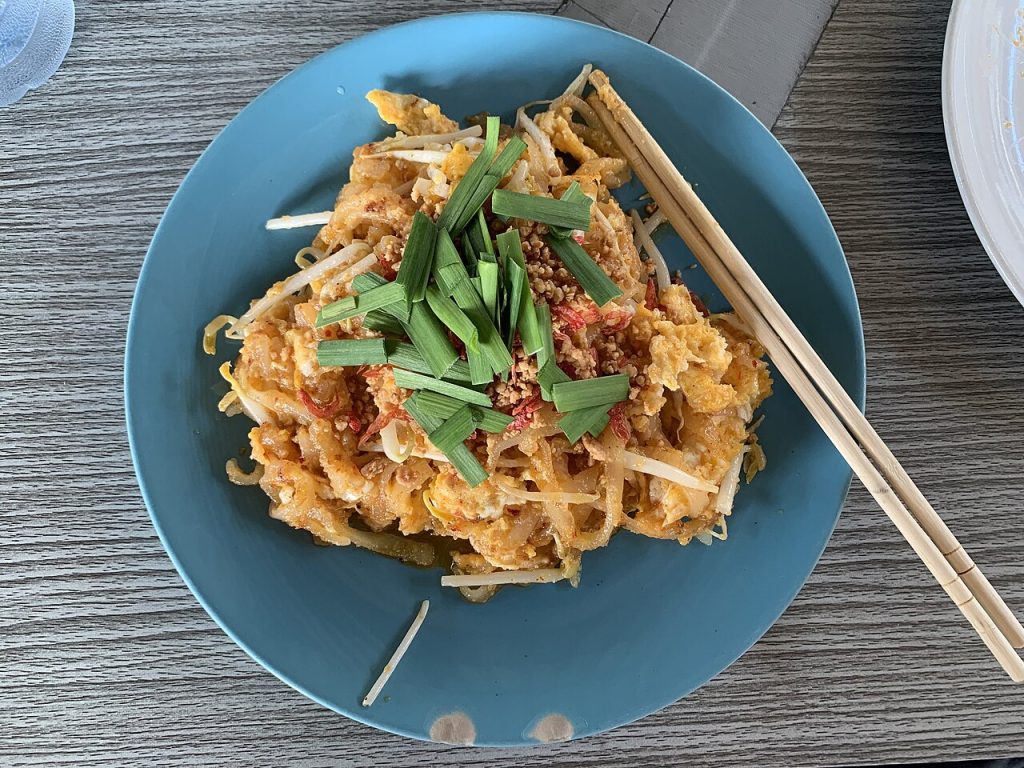
Pad Thai
This stir‑fried noodle dish balances sweet tamarind sauce, fresh lime, and crunchy peanuts. It’s a great introduction to the harmony of Thai flavors.
Tom Yum Goong
A hot and sour soup featuring shrimp, mushrooms, kaffir lime leaves, and galangal. The broth is light yet intensely aromatic.
Green Curry (Gaeng Keow Wan)
A creamy, mildly spicy curry made with green chili paste, coconut milk, and tender chicken or tofu. Serve over jasmine rice.
Som Tum (Papaya Salad)
A fresh, spicy salad of shredded green papaya, tomatoes, chilies, and lime. It’s a crunchy contrast to the softer curry dishes.
Practical Tips for Cooking Thai at Home
- Prep Ingredients Early – Thai cooking moves fast. Keep all aromatics, veggies, and proteins ready before you start.
- Use a Wok – A high‑heat, wide pan is ideal for stir‑fries and quick sautéing.
- Balance Flavors – Taste as you go. Add fish sauce, lime, sugar, or chili gradually to achieve the perfect balance.
- Fresh Herbs Win – Substitute dried herbs with fresh basil, cilantro, or mint for the best flavor.
- Don’t Overcook Proteins – Chicken, shrimp, and tofu should remain tender. Remove from heat immediately.
Where to Find Authentic Thai Food Near You
Many cities host Thai markets and restaurants that showcase regional specialties. Look for establishments that use fresh, locally sourced ingredients and traditional cooking techniques. Visiting a Thai market can also provide the ingredients you need for home cooking.
Conclusion
Thai cuisine invites exploration with its vibrant flavors and fresh ingredients. Armed with a few essential staples, a handful of classic recipes, and these practical cooking tips, you’re ready to create authentic Thai dishes that delight the palate. Happy cooking!