
Introduction
Indonesian cuisine is a vibrant tapestry of flavors, colors, and textures that has long captivated food lovers around the world. What makes it especially appealing for everyday cooking is its balance of bold spices and comforting, familiar ingredients. In this guide, we’ll explore the core elements that give Indonesian food its distinctive character, show you how to weave those elements into simple daily meals, and share practical tips to make the process easy and enjoyable.
Whether you’re a seasoned cook or just starting, the secrets of Indonesian cooking are surprisingly accessible. Let’s dive into the world of rice, noodles, fresh herbs, and aromatic spices and uncover how they can transform ordinary dishes into culinary adventures.
The Flavor Palette of Indonesia
Traditional Staples
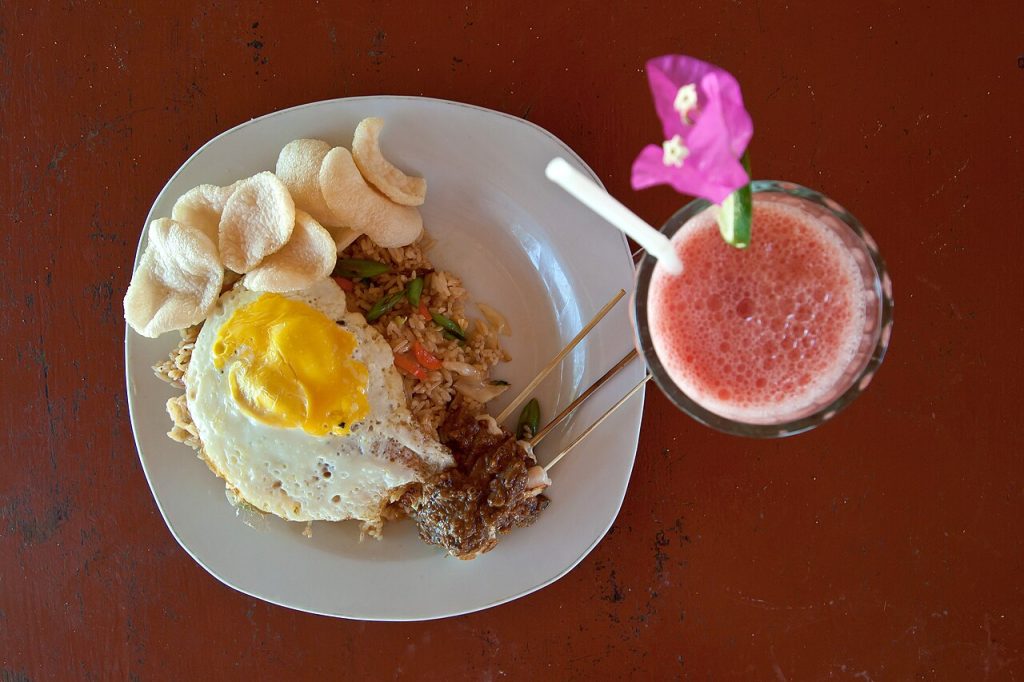
Rice is the backbone of every Indonesian meal, usually served steamed or in the form of nasi goreng (fried rice). Noodles like mie goreng and bakmi are equally popular. These staples are often paired with protein—be it chicken, pork, seafood, or tofu—and a medley of vegetables.
Spices & Aromatics
Indonesian cooking thrives on a blend of spices that create depth and warmth. Common ingredients include:
- Turmeric – gives dishes a bright yellow hue and earthy taste.
- Galangal – similar to ginger but with a sharper, citrusy note.
- Clove and Star Anise – add sweet, floral undertones.
- Shallots, Garlic, and Chili – form the aromatic base of most sauces.
- Fresh Herbs – such as lemongrass, kaffir lime leaves, and coriander.
These ingredients are often ground into a paste called kecap or sautéed in coconut milk to create a fragrant sauce that balances heat, sweetness, and acidity.
Everyday Indonesian Meals
Breakfast: Nasi Uduk & Fried Egg
Start your day with nasi uduk, fragrant coconut milk-infused rice served with a fried egg, tempeh, and sambal. It’s quick, filling, and showcases the gentle sweetness of coconut.
Lunch: Gado-Gado Salad
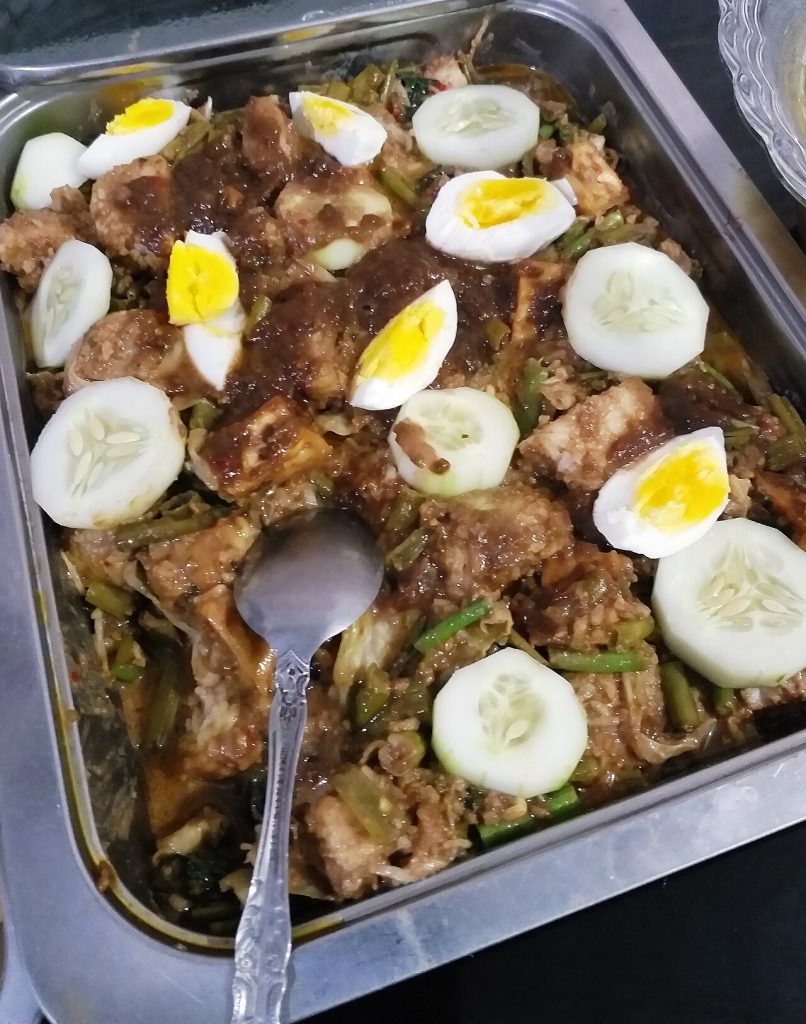
Gado-gado is a hearty salad of blanched vegetables, boiled eggs, and tofu, topped with a peanut sauce that’s both creamy and spicy. It’s a great way to get a balanced meal in a single bowl.
Dinner: Rendang & Steamed Veggies
For a comforting dinner, try rendang, a slow-cooked beef stew in a rich coconut sauce spiced with galangal, lemongrass, and dried chilies. Pair it with steamed greens or a simple sayur bening (vegetable soup).
Practical Tips for Incorporating Indonesian Food into Daily Life

Shopping for Ingredients
Finding fresh spices can be a challenge in some areas, but many grocery stores now carry a decent selection of Indonesian staples:
- Coconut milk – look for canned or fresh options.
- Spice pastes – pre-made kecap or bumbu can save time.
- Fresh herbs – lemongrass, kaffir lime leaves, and coriander are usually available in Asian sections.
- Rice and noodles – jasmine rice works well; consider buying a small batch of basah rice for authenticity.
Quick Recipes & Meal Prep
To keep meals fresh and avoid daily cooking stress, try these prep-friendly ideas:
- Make a large pot of nasi goreng and freeze individual portions.
- Batch-cook tempeh or tofu marinated in soy sauce and spices for quick stir-fries.
- Prepare a batch of peanut sauce and keep it chilled; it’s perfect for salads and dipping.
Pairing with Other Cuisines
Indonesian flavors blend beautifully with other culinary traditions. Add a splash of kecap manis (sweet soy sauce) to a stir-fry or drizzle rendang sauce over grilled chicken for a fusion twist.
Why Indonesian Cuisine Inspires Creativity
Indonesian food encourages experimentation. The use of layered flavors—sweet, salty, spicy, and sour—offers endless possibilities for tweaking a dish. The emphasis on fresh produce and herbs also means you can adapt recipes to seasonal availability. By incorporating these principles, you’ll find your kitchen becoming a playground for culinary exploration.
Conclusion
From the comforting simplicity of nasi uduk to the aromatic complexity of rendang, Indonesian cuisine offers a rich palette that can elevate everyday meals. With a few key ingredients, some basic techniques, and a willingness to experiment, you can bring a taste of Indonesia into your home kitchen. Start small, stay curious, and let the flavors guide you on a flavorful journey that’s both satisfying and inspiring.