
Introduction
Indonesian cuisine is often celebrated for iconic dishes like nasi goreng and rendang, yet the country’s culinary landscape is far richer. From the spice‑laden kitchens of Sulawesi to the aromatic markets of Java, countless regional secrets await. This guide will uncover lesser‑known ingredients, obscure recipes, and practical tips that help you recreate authentic flavors at home.
1. Regional Diversity: More than Just One Flavor
Indonesia’s 17,000 islands produce a tapestry of local tastes. Each province has its own signature ingredients and cooking techniques that influence the final dish. Understanding these differences is key to appreciating the depth of Indonesian food.
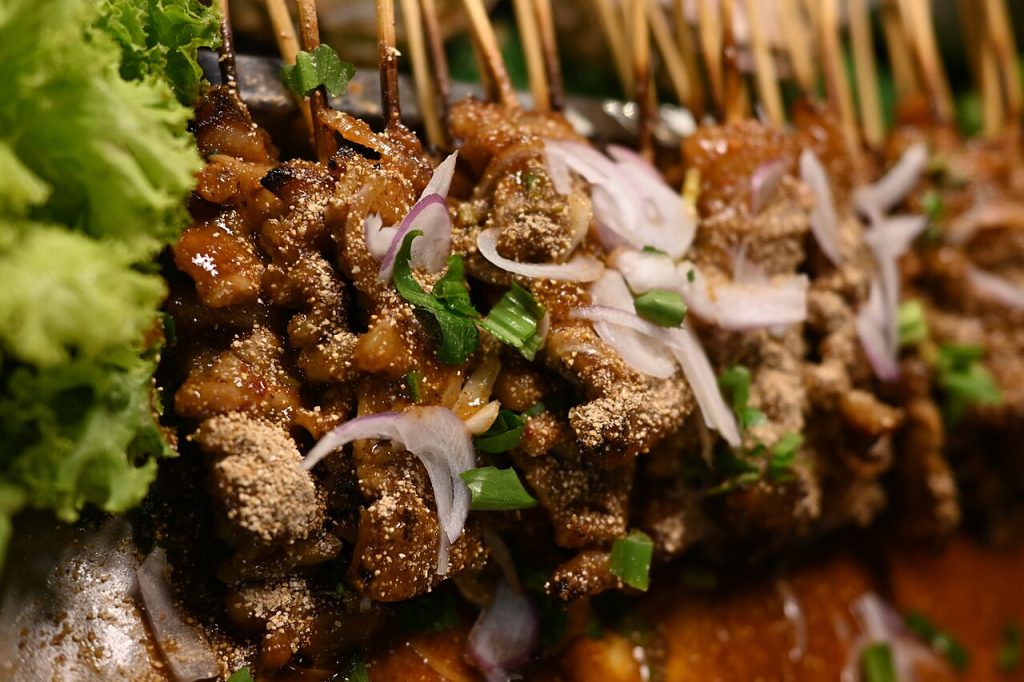
- Sumatra: Known for its bold, earthy spice blends—clove, nutmeg, and white pepper—often used in dry grilled meats.
- Bali: Relies on fresh seafood and coconut, creating light, fragrant stews.
- Nusa Tenggara: Features sweet, fermented fish sauces that add a unique umami punch.
- Java: Famous for its rich, sweet rendang and the use of pandan leaves for aroma.
When you explore these regions, you’ll find that the same dish can taste dramatically different depending on the local palate.
2. Hidden Ingredients That Define Authentic Taste
Beyond the familiar coconut milk and galangal, Indonesian cooking incorporates several lesser‑noticed ingredients that add depth and character. Below are three gems that can elevate any recipe.
2.1. Belacan (Shrimp Paste)
This fermented condiment packs a powerful umami punch. Use a small amount—just a teaspoon—to enrich soups or sambals without overpowering the dish.
2.2. Tempeh Brine (Kecap Manis)
While many know sweet soy sauce, the slightly fermented version used in certain regions adds complexity. It’s excellent for marinating grilled meats.
2.3. Kerisik (Toasted Coconut)
Toasted coconut grains bring a nutty flavor and crunchy texture. Sprinkle them over fried rice or blend into sauces for a subtle twist.
3. Lesser-Known Dishes Worth Trying
Here are three dishes that are rarely featured in international cookbooks but showcase Indonesia’s culinary ingenuity.
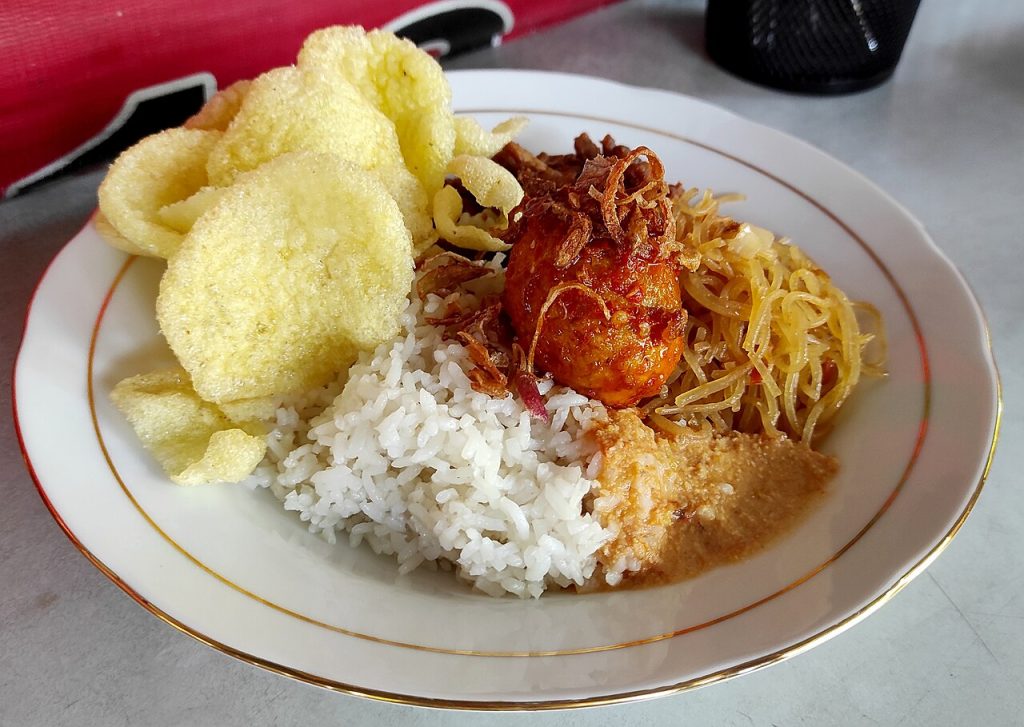
- Gado‑Gado Betawi – A Jakarta variation of the classic gado‑gado that replaces peanut sauce with a creamy, sweet coconut‑based dressing.
- Ayam Betutu – A Balinese slow‑cooked chicken wrapped in banana leaves, infused with a blend of cloves, bay leaves, and galangal.
- Rujak Cingur – A Sundanese fruit and vegetable salad topped with a spicy, fermented fish sauce.
These dishes highlight the balance of sweet, salty, and spicy that defines Indonesian cuisine.
4. Practical Tips for Cooking Authentic Indonesian Food at Home
Recreating Indonesian flavors doesn’t require a trip to Jakarta. Follow these steps to bring authenticity into your kitchen.
- Start with Fresh Spices – Use fresh galangal, lemongrass, and kaffir lime leaves. They deliver a brighter, more vibrant flavor than dried counterparts.
- Use a Wok or Santoku‑Style Pan – The high heat and wide surface area mimic traditional stir‑frying techniques.
- Marinate with Belacan and Kecap Manis – A quick 20‑minute marination infuses meats with depth and sweetness.
- Experiment with Fermented Sauces – Try adding a small amount of fish sauce (sa‑o) or fermented shrimp paste to balance the dish.
- Finish with Fresh Herbs – A handful of fresh coriander or mint at the end brightens the flavor profile.
Remember, Indonesian cuisine thrives on balance. Adjust sweetness, acidity, and spice to suit your palate, and don’t be afraid to tweak recipes.
Conclusion
Indonesia’s culinary secrets lie in its regional diversity, hidden ingredients, and time‑honored techniques. By exploring these lesser‑known aspects and applying practical kitchen tips, you can bring a slice of this vibrant culture into your daily meals. Whether you’re a seasoned foodie or a curious beginner, the next step is simple—pick up a spice, try a new recipe, and let the flavors of Indonesia unfold on your plate.