
Introduction
Thai cuisine is celebrated worldwide for its harmonious blend of sweet, sour, salty, and spicy flavors. Beyond its culinary appeal, Thai food offers a range of health benefits thanks to fresh herbs, aromatic spices, and nutrient‑rich ingredients. Whether you’re a seasoned cook or just starting out, this article will walk you through the essential benefits, iconic dishes, modern adaptations, and handy tips to help you enjoy and recreate Thai dishes at home.
Health Benefits of Thai Food
Thai cooking relies heavily on fresh vegetables, lean proteins, and spices that are packed with antioxidants. Here are some key health perks:
- Rich in Antioxidants: Ingredients like lemongrass, galangal, and kaffir lime peel contain powerful antioxidants that help fight free radicals.
- Anti‑Inflammatory Properties: Turmeric, ginger, and chili peppers reduce inflammation, supporting joint health and overall well‑being.
- Low in Saturated Fat: Many Thai dishes use light oils (such as peanut or sesame) and are often served with plenty of fresh herbs, keeping calorie density relatively low.
- Balanced Nutrition: The combination of protein (chicken, fish, tofu), complex carbs (rice, noodles), and plenty of greens ensures a well‑rounded meal.
- Digestive Support: Traditional Thai soups and broth‑based dishes use bone broth and fermented fish sauce, which can aid digestion and gut health.
By choosing whole ingredients and limiting added sugars, you can enjoy Thai meals that support a healthy lifestyle.
Classic Thai Dishes Every Foodie Should Try
Pad Thai
This iconic stir‑fry combines rice noodles, tamarind, fish sauce, and a splash of lime. It’s typically topped with crushed peanuts and fresh bean sprouts, offering a delightful crunch and a burst of umami.
Tom Yum Goong
A spicy, sour shrimp soup that showcases lemongrass, kaffir lime leaves, galangal, and fresh chilies. The broth’s bright flavor is balanced by a hint of sweetness from palm sugar.
Green Curry (Gaeng Keow Wan)
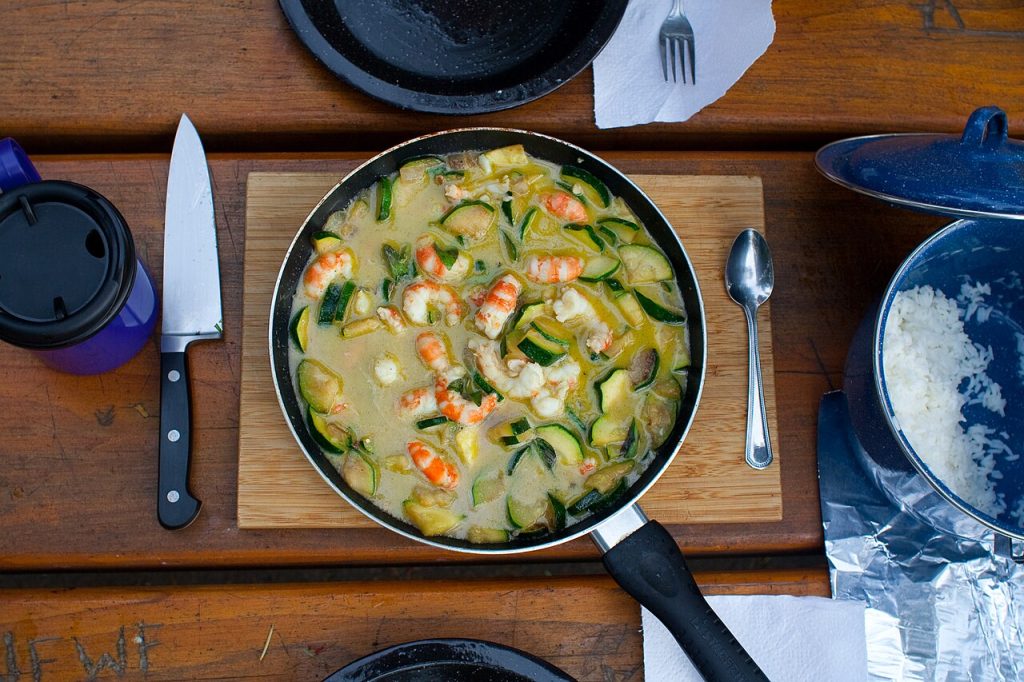
Made with coconut milk, green curry paste, and a mix of vegetables and chicken or tofu. The creamy base is tempered by the heat of fresh green chilies, creating a comforting yet lively dish.
Som Tam (Papaya Salad)
Shredded green papaya, tomatoes, green beans, and peanuts are tossed with a fiery dressing of lime, fish sauce, and chilies. It’s a refreshing side or light main that’s packed with vitamins.
Massaman Curry
A milder, Thai‑Indian fusion curry featuring roasted peanuts, potatoes, and a fragrant blend of spices. It’s a hearty, comforting option that showcases Thailand’s culinary diversity.
Modern Fusion Ideas: Taking Thai to the Next Level
Thai flavors pair wonderfully with other culinary traditions. Here are a few ways to experiment at home:
- Thai‑Inspired Tacos: Use shredded pork or tofu marinated in Thai spice paste, topped with fresh cilantro, lime, and a drizzle of coconut‑based yogurt.
- Curries in a Slow Cooker: Slow‑cook a Massaman or Red Curry for tender, flavor‑infused meat that’s perfect for busy evenings.
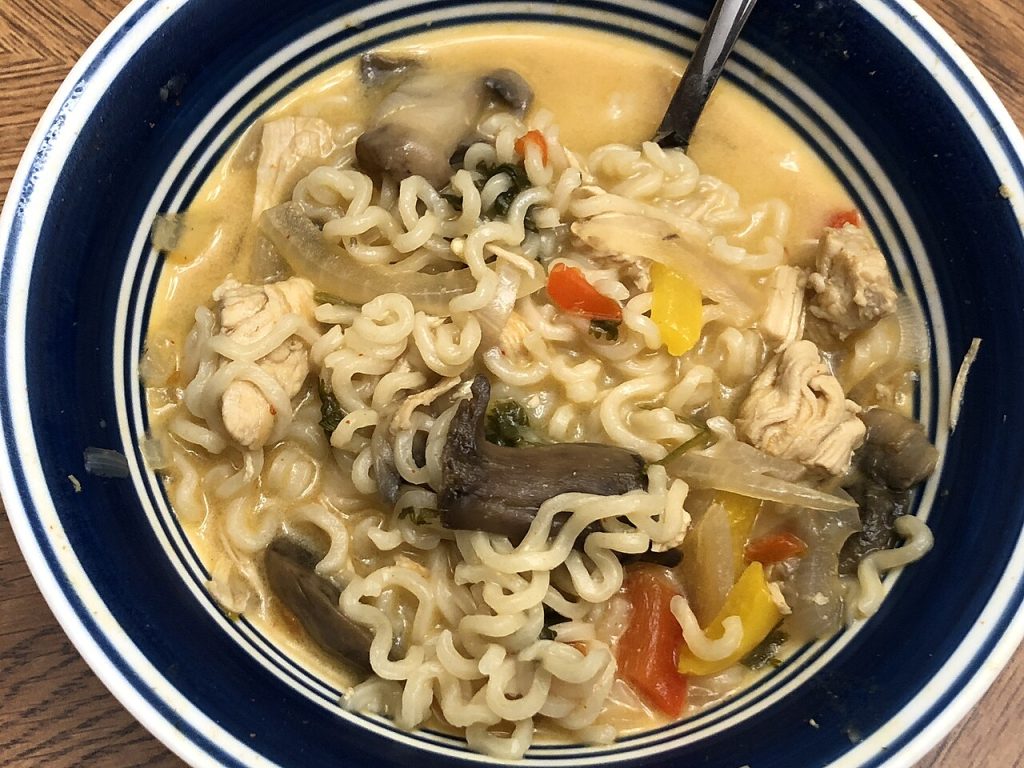
- Thai Noodle Bowls: Combine ramen or soba noodles with a spicy peanut sauce, roasted vegetables, and a poached egg.
- Fusion Desserts: Infuse coconut milk and pandan into a classic tiramisu for a tropical twist.
- Breakfast Pad Thai: Stir‑fry rice noodles with scrambled eggs, bean sprouts, and a splash of soy sauce for a quick, satisfying morning meal.
Practical Tips for Cooking Authentic Thai at Home
1. Stock Your Pantry: Keep basic Thai ingredients such as fish sauce, tamarind paste, coconut milk, and dried chilies on hand.
2. Use Fresh Herbs: Fresh basil, cilantro, mint, and kaffir lime leaves add depth; store them in a damp paper towel in the fridge to keep them crisp.
3. Master the Paste: If you have a mortar and pestle, you can grind your own curry paste. Otherwise, pre‑made paste works well and saves time.
4. Balance Flavors: Taste as you go, adjusting fish sauce for saltiness, palm sugar for sweetness, and lime for acidity.
5. Heat Management: Thai cuisine thrives on fresh heat. Add chilies at the end of cooking to preserve their vibrant flavor.
Conclusion
Thai food offers a delightful blend of bold flavors and nutritional benefits. By exploring classic dishes, experimenting with modern fusions, and applying practical kitchen tips, you can bring the taste of Thailand into your everyday meals. Whether you’re preparing a quick weekday dinner or hosting a special gathering, Thai cuisine provides endless possibilities for creativity and flavor.