
Introduction
Traditional food is more than just a meal; it is a living archive of a people’s history, geography, and values. From the aromatic spice blends of the Middle East to the hearty stews of Eastern Europe, these dishes carry stories and sustenance that have survived generations. In today’s fast‑paced world, rediscovering traditional cuisine can bring a sense of grounding, nutritional balance, and culinary adventure into everyday life.
The Nutritional Power of Traditional Food
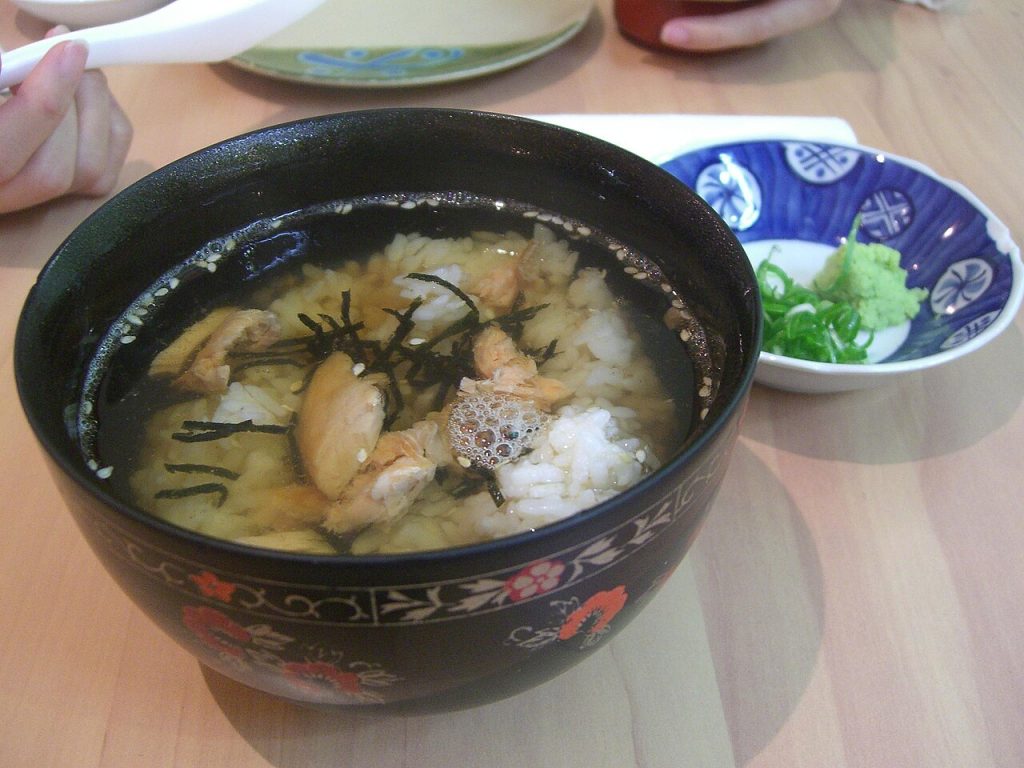
Many traditional dishes are built around whole ingredients—root vegetables, legumes, whole grains, and lean proteins—providing a balanced profile of macronutrients and micronutrients. For example, Mediterranean lentil soup delivers fiber, iron, and plant‑based protein, while Japanese miso soup offers probiotics and umami flavor. Because these meals are often shared and cooked slowly, they tend to retain more vitamins and minerals than processed fast food.
Cultural Connection and Preservation
Eating traditional food reinforces cultural identity and strengthens community bonds. It also supports local economies and preserves biodiversity by encouraging the cultivation of heirloom varieties. When families gather around a pot of biryani or a plate of dumplings, they pass down cooking techniques and stories, keeping heritage alive for future generations.
Traditional Foods Around the World
Mediterranean
- Greek moussaka
- Italian minestrone
- Spanish paella
East Asian
- Chinese congee
- Japanese ramen
- Korean kimchi stew
Latin American
- Mexican mole
- Peruvian lomo saltado
- Brazilian feijoada
African
- South African bobotie
- Moroccan tagine
- Ethiopian injera with wot
Middle Eastern
- Persian saffron rice
- Turkish kibbeh
- Lebanese tabbouleh
Health Benefits
Traditional recipes often emphasize seasonal produce and balanced flavors, which can reduce the risk of chronic diseases. The Mediterranean diet, for example, is linked to lower rates of heart disease and improved cognitive function. Fermented foods like kimchi and miso enhance gut health, while the slow‑cooking methods preserve antioxidants. These benefits make traditional cuisine an excellent foundation for a long, healthy life.
Practical Tips for Incorporating Traditional Dishes into Your Diet
- Start Small: Try one new recipe each month to avoid overwhelm.
- Use Fresh Ingredients: Choose local produce whenever possible to capture authentic flavors.
- Batch Cook: Prepare large portions and freeze leftovers for busy weekdays.
- Swap Ingredients: Adapt recipes with available ingredients while keeping core flavors intact.
- Learn the Basics: Master fundamental techniques such as sautéing, simmering, and seasoning to build confidence.
Creative Ideas: Modern Twists on Classic Recipes
Bringing traditional dishes into contemporary menus can be both exciting and respectful. Consider these ideas:
- Grilled Mediterranean Fish: Marinate whole fish with olive oil, lemon, and oregano, then grill for a quick, low‑calorie meal.
- Asian Fusion Ramen Bowl: Replace ramen noodles with spiralized zucchini for a gluten‑free version.
- Latin American Street‑Style Tacos: Use corn tortillas, slow‑cooked pork, and fresh salsa for a quick, flavor‑rich lunch.
- African-Inspired Stew with Coconut Milk: Add a splash of coconut for a creamy texture while keeping the dish hearty.
Conclusion
Traditional food offers more than taste; it provides nourishment, heritage, and a bridge between past and present. By exploring global dishes, embracing healthy cooking methods, and adding modern touches, you can enrich your meals and support cultural diversity. Start your culinary journey today and let each bite tell a story.