Introduction
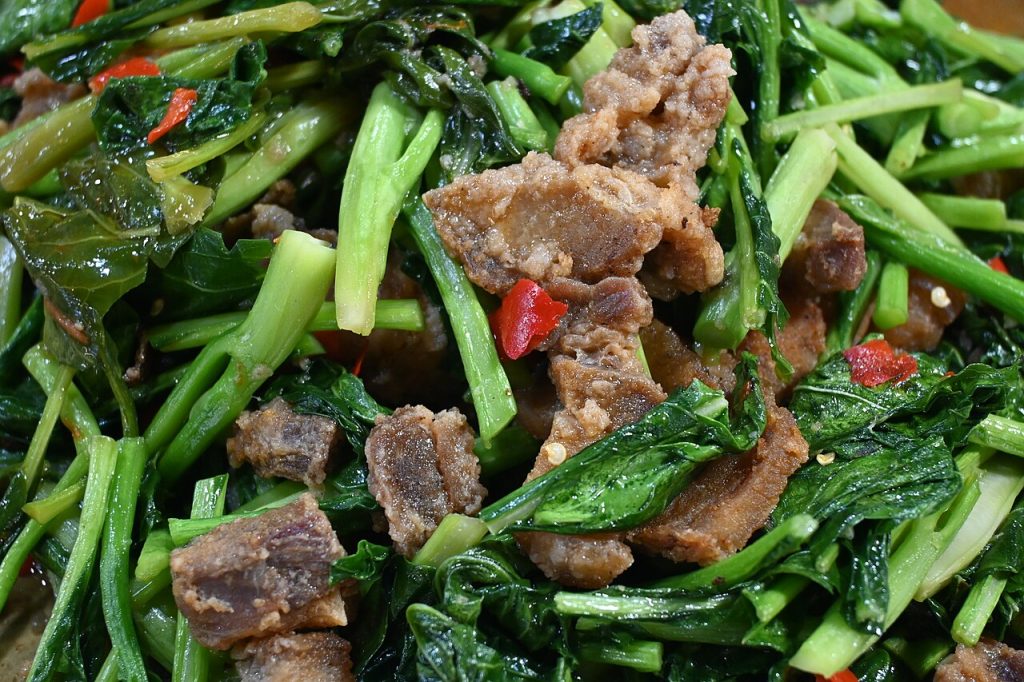
Chinese cuisine has long been celebrated for its balance of flavors, textures, and colors. Even without traveling to Beijing or Shanghai, you can capture that spirit in your everyday meals. By understanding the core principles of Chinese cooking—taste harmony, ingredient quality, and technique—you can transform ordinary dishes into vibrant, satisfying plates.
Why Chinese Food Inspires Everyday Meals
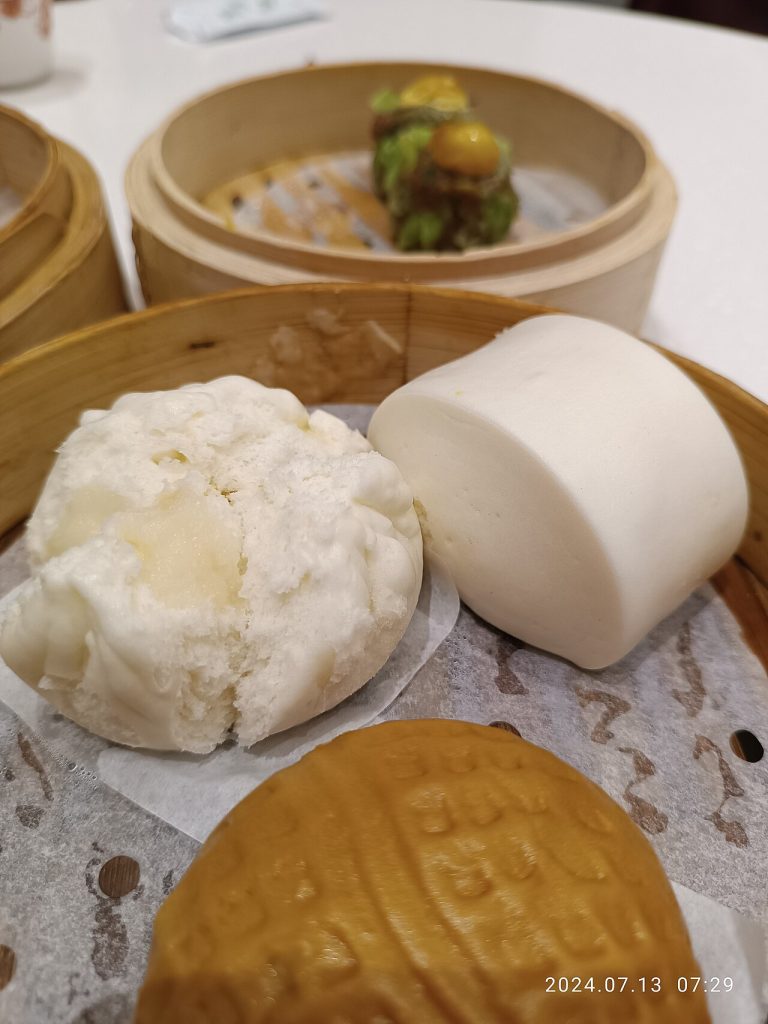
Chinese cooking emphasizes three key elements that translate well into everyday cooking: quick, flavorful, and resourceful. Meals are often prepared in a single pan or wok, making them ideal for busy schedules. The use of fresh aromatics, sauces, and condiments adds depth without complex preparation. And, by combining pantry staples with fresh produce, Chinese dishes showcase how to make the most of what’s on hand.
Three Pillars of Chinese Flavor
- Sweet – sugar, honey, or sweet soy sauce to balance heat and acidity.
- Sour – rice vinegar, lime, or fermented bean paste to brighten dishes.
- Umami – soy sauce, oyster sauce, fermented bean curd, and dried mushrooms for depth.
Quick Everyday Dishes You Can Try
Below are three simple recipes that capture the essence of Chinese cooking and can be whipped up in under 30 minutes.
1. Garlic Ginger Chicken Stir‑Fry
Ingredients: sliced chicken breast, sliced bell pepper, broccoli florets, minced garlic, minced ginger, soy sauce, rice vinegar, a pinch of sugar, and sesame oil.
Method: Heat sesame oil in a wok, add garlic and ginger until fragrant. Toss in chicken until browned. Add vegetables and stir‑fry until tender yet crisp. Finish with soy sauce, vinegar, and a touch of sugar. Serve over steamed rice or quinoa.
2. Quick Mapo Tofu
Ingredients: silken tofu, ground pork or beef, fermented bean paste, doubanjiang (optional), garlic, scallions, vegetable oil, and a splash of stock.
Method: Sauté garlic and bean paste until aromatic. Add ground meat until cooked. Gently fold in tofu and a small amount of stock. Simmer briefly, then garnish with scallions. A spoonful of this spicy sauce pairs wonderfully with plain rice.
3. Egg Drop Soup with Spinach
Ingredients: chicken stock, beaten eggs, fresh spinach, ginger, soy sauce, and a pinch of white pepper.
Method: Bring stock to a simmer, stir in ginger and spinach until wilted. Slowly pour in beaten eggs while stirring gently to create silky ribbons. Season with soy sauce and pepper. Serve hot as a light starter or side.
Practical Tips for Sourcing Ingredients
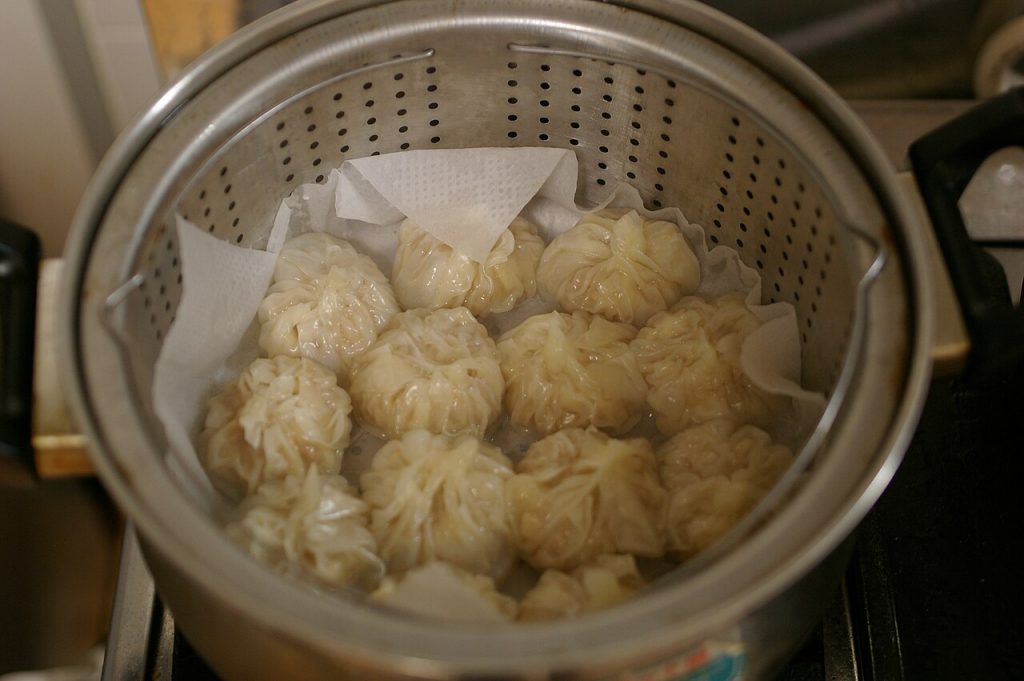
Many of the flavors in Chinese cooking can be achieved with ingredients found in most grocery stores. Here are some suggestions:
- Soy sauce & oyster sauce: Look for low‑sodium varieties to control salt.
- Rice vinegar: A staple in Chinese kitchens; use it for marinades and dressings.
- Fresh ginger & garlic: Keep them in the fridge; they add a bright kick to any dish.
- Fermented bean paste: Available in Asian markets; it’s a quick way to add depth.
- Seasonal vegetables: Use whatever is fresh—bok choy, carrots, mushrooms, and bell peppers are all versatile.
Adapting Chinese Techniques to Local Produce
Chinese cooking thrives on technique. The wok, for example, is prized for its even heat distribution and quick cooking times. While you may not have a wok, a heavy‑bottomed skillet works well for stir‑fry. Keep the heat high, keep the ingredients moving, and don’t overcrowd the pan.
Another technique is the “flash fry,” where you cook something quickly at high heat, preserving color and crunch. This works great for vegetables like snow peas or carrots and can be a colorful addition to any meal.
Health Benefits of Everyday Chinese Cooking
Chinese cuisine often incorporates a variety of vegetables, lean proteins, and healthy oils. By focusing on fresh, minimally processed ingredients, you can enjoy:
- High fiber intake from leafy greens and whole grains.
- Lean protein from chicken, fish, or tofu.
- Healthy fats from sesame oil and nuts.
- Low sodium options if you choose low‑sodium sauces and control portions.
Conclusion
Bringing Chinese culinary inspiration into your daily routine doesn’t require exotic ingredients or elaborate preparation. By mastering a few key techniques, using readily available pantry staples, and embracing the balance of sweet, sour, and umami, you can elevate simple meals into something memorable. Try one of the quick recipes above, experiment with local produce, and let the flavors of China become a part of your everyday cooking routine.