
Japanese cuisine is renowned worldwide for its delicate balance of flavors, meticulous presentation, and emphasis on seasonal ingredients. Whether you’re planning a trip to Japan or simply exploring new dishes at your local Asian market, this guide will equip you with the knowledge to confidently navigate the world of Japanese food.
Overview of Japanese Cuisine
At its core, Japanese food focuses on freshness, simplicity, and harmony. Traditional dishes often highlight one or two main ingredients, complemented by subtle seasonings that enhance rather than overpower. The philosophy of ikigai – doing something you love – is reflected in how each meal is prepared: care, precision, and respect for the ingredients.
Key Ingredients
- Rice – the staple that accompanies almost every meal. Short‑grain Japanese rice, when steamed correctly, yields a sticky yet fluffy texture perfect for sushi and donburi.
- Seaweed – nori, kombu, and wakame provide umami depth and are essential for sushi rolls, soups, and salads.
- Fish and seafood – fresh sashimi and grilled fish are prized for their clean taste. Popular choices include tuna, salmon, and yellowtail.
- Soy products – soy sauce, miso, and tofu add savory, salty, or sweet undertones that are integral to many dishes.
- Vegetables – daikon radish, bamboo shoots, shiitake mushrooms, and pickled vegetables (tsukemono) offer crispness and a spectrum of flavors.
- Seasonings – mirin (sweet rice wine), sake, vinegar, and sesame oil provide depth and balance.
Classic Dishes Every Beginner Should Try
Sushi & Sashimi
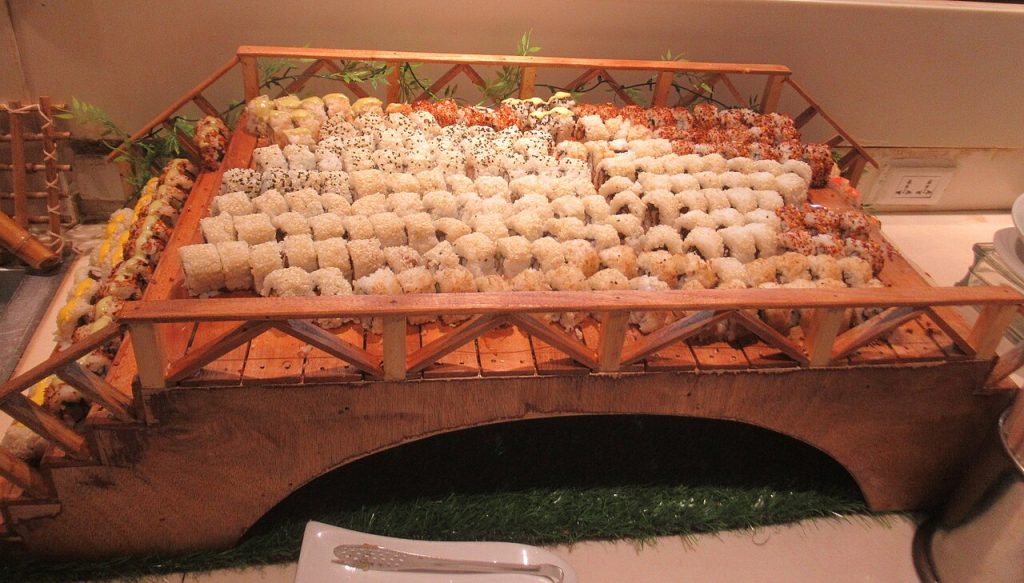
Sushi combines vinegared rice with fresh fish or vegetables, while sashimi showcases thinly sliced raw fish served with soy sauce and wasabi. Start with simple rolls like California roll or maki before moving on to more adventurous varieties.
Ramen
Ramen is a noodle soup that varies by region. The broth can be chicken, pork, seafood, or vegetable, and toppings often include soft‑boiled egg, bamboo shoots, and green onions. Don’t miss the regional specialties: tonkotsu ramen from Kyushu or shoyu ramen from Tokyo.
Tempura
Lightly battered and fried vegetables or seafood, tempura offers a crispy contrast to the delicate flavors of sashimi. Pair it with a dipping sauce made from soy sauce, mirin, and grated daikon.
Okonomiyaki
A savory pancake made with cabbage, pork or shrimp, and topped with mayonnaise, bonito flakes, and a sweet sauce. Its name means “what you like” – a perfect dish for experimenting with flavors.
Udon & Soba
Thick wheat noodles (udon) and thin buckwheat noodles (soba) can be served hot or cold. Udon is often enjoyed in a simple broth with scallions, while soba is prized for its nutty taste and is a common accompaniment to tea ceremonies.
How to Order in a Japanese Restaurant
Ordering in Japan can be intimidating, but it’s straightforward once you know a few key phrases:
- “Sumimasen” – Excuse me (useful for catching a server’s attention).
- “Kore wo onegaishimasu” – I’d like this (point to the menu item).
- “Oishii desu” – It’s delicious (a polite compliment that can earn you a friendly smile).
- When you finish your meal, you can say “Gochisousama deshita” to thank the chef.
In many places, the staff will ask if you’d like to try “Tsukudani” (a small side dish of pickled seafood) or “Otsumami” (appetizers) before your main course. Accepting these will give you a fuller taste of Japanese hospitality.
Practical Tips for Trying Japanese Food
- Start with familiar flavors. If you’re hesitant about raw fish, begin with lightly cooked dishes such as yakitori (grilled chicken skewers) or teriyaki (sweet soy glaze).
- Use chopsticks properly. Hold them between the thumb, forefinger, and middle finger; avoid pointing or waving them around.
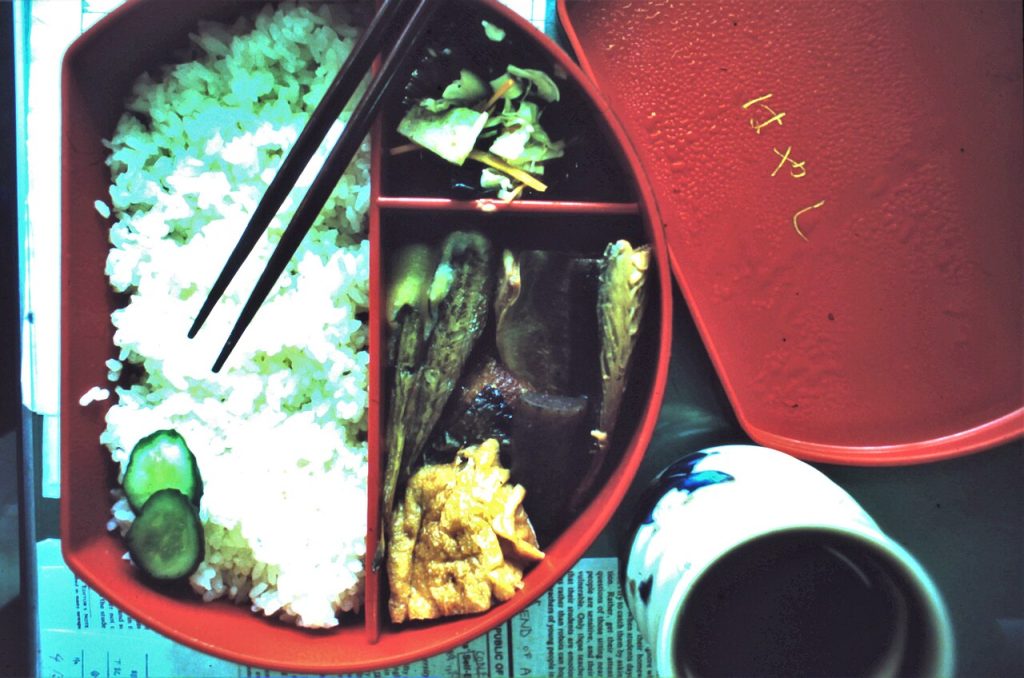
- Try a bento box. A bento offers a balanced meal with rice, protein, and vegetables – great for a quick, complete experience.
- Ask about the origin. Many restaurants highlight whether a dish is a local specialty or a modern fusion, giving you insight into regional tastes.
- Respect the etiquette. Never pour your own drink if someone else has already poured it for you. Instead, wait for the host to finish before you drink.
Conclusion
Japanese cuisine invites you to explore a world where food is art, culture, and nourishment intertwined. By understanding its key ingredients, learning to order, and practicing a few etiquette rules, you’ll feel confident enjoying sushi, ramen, and beyond. Embrace the journey, taste the seasons, and let each bite tell a story of Japan’s rich culinary heritage.